Introduction to M16 Proximity Sensors
M16 proximity switch sensors are indispensable components in modern industrial automation, renowned for their reliability and precision in non-contact detection. These cylindrical sensors, with a standard 16mm diameter threaded barrel, are engineered to detect the presence or absence of metallic objects without physical contact. Operating on electromagnetic principles, primarily inductive sensing, they generate an oscillating electromagnetic field. When a metallic target enters this field, it induces eddy currents, causing a change in oscillation amplitude. This alteration is detected by the sensor's circuitry, triggering a switching action. The M16 form factor strikes an optimal balance between compact size and robust performance, making it suitable for space-constrained yet demanding applications across manufacturing, packaging, material handling, and automotive assembly lines. Their sealed construction typically meets IP67 ratings, ensuring resilience against dust, coolants, and temporary immersion, which is critical for harsh industrial environments.
Key Technical Specifications and Operating Principles
Understanding the technical parameters of M16 proximity sensors is crucial for proper selection and integration. The sensing distance, a fundamental specification, varies by model and target material. For standard mild steel, typical sensing ranges are 2mm, 4mm, or 8mm. It is vital to note that the effective sensing distance for non-ferrous metals like aluminum or copper is often reduced, requiring consultation of reduction factors provided in datasheets. These sensors are available in multiple output configurations, including NPN (sinking), PNP (sourcing), and NO (normally open) or NC (normally closed) contacts, allowing compatibility with diverse PLCs and control systems. Operating voltage ranges commonly span from 10-30V DC, with some models supporting wider ranges. Key performance metrics include switching frequency, which can reach several hundred Hertz, enabling high-speed counting and positioning tasks, and repeat accuracy, often within microns, ensuring consistent operation. The housing is typically constructed from nickel-plated brass or stainless steel, providing excellent mechanical strength and corrosion resistance.
Advantages Over Other Sensing Technologies
M16 inductive proximity sensors offer distinct benefits compared to mechanical limit switches, photoelectric sensors, or capacitive sensors. Their primary advantage is the complete absence of physical contact with the target, eliminating mechanical wear and tear, which significantly enhances operational lifespan and reduces maintenance costs. They are immune to ambient light, dust, and oil mist, which commonly interfere with optical sensors. Unlike capacitive sensors, they are specifically tuned for metals, providing high immunity to false triggers from non-metallic substances like plastics or liquids. The robust M16 threaded design allows for easy installation and secure mounting in standard mounting nuts, resisting vibration and shock. Furthermore, their fast response time and high switching frequency make them ideal for high-speed automation processes where precision and speed are paramount. The combination of durability, reliability, and performance solidifies their role as a workhorse in factory automation.
Critical Application Scenarios in Industry
The versatility of M16 proximity sensors is demonstrated through their widespread use in numerous industrial applications. In automated machining centers, they serve as precise end-of-travel limit switches for tool changers, slides, and spindles, ensuring accurate positioning and preventing collisions. On conveyor systems, they detect the presence of metal parts, pallets, or carriers for counting, sorting, and process initiation. Within robotic workcells, these sensors verify gripper jaw closure (detecting the metal part) or confirm the presence of a component in a fixture. They are also integral to packaging machinery for detecting metal components on rotating shafts or verifying the position of actuators. In the automotive sector, they monitor the position of pistons in welding guns or detect metal blanks in stamping presses. Their ability to function reliably in environments with heavy vibration, coolant spray, and metal chips makes them a preferred choice for these challenging duties.
Installation Guidelines and Best Practices
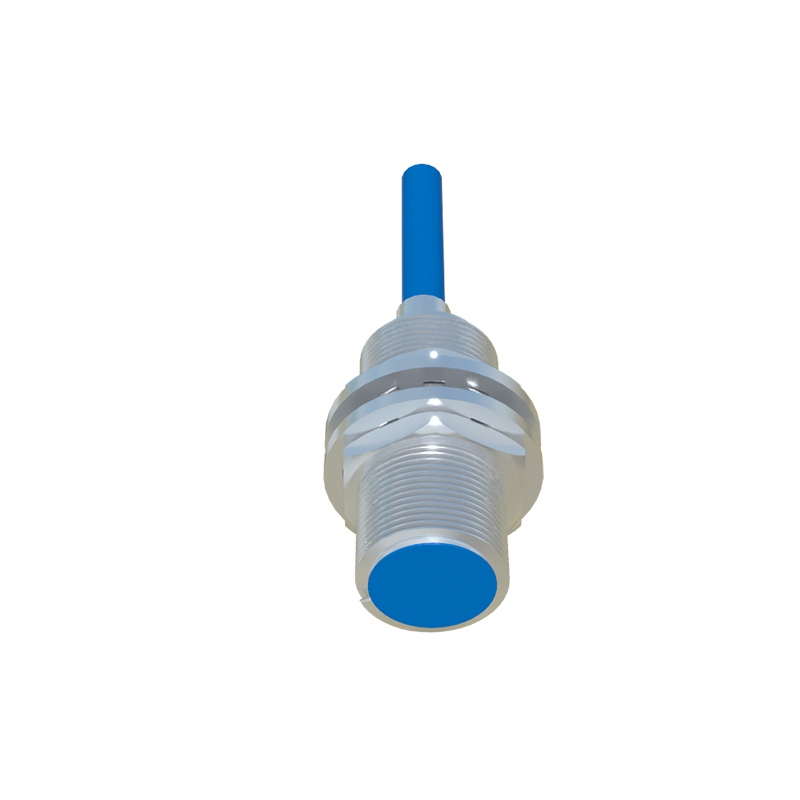
Correct installation is paramount to achieving optimal performance and longevity from an M16 proximity sensor. First, ensure the sensor is mounted securely using the appropriate locknut, avoiding over-tightening which can damage the housing. The sensing face must be positioned parallel to the target surface for maximum sensing distance. Maintain the specified nominal sensing distance (Sn) between the sensor face and the target, and account for any necessary safety margin to accommodate mechanical tolerances and temperature drift. It is critical to avoid mounting multiple sensors of the same type in close proximity without adequate lateral spacing, as this can cause mutual interference and erratic switching. When installing in metal mounting brackets, recess the sensor or use non-ferrous mounting materials to prevent the bracket from influencing the electromagnetic field. Always adhere to the manufacturer's wiring diagram, connecting the brown wire (typically +V), blue wire (0V), and black