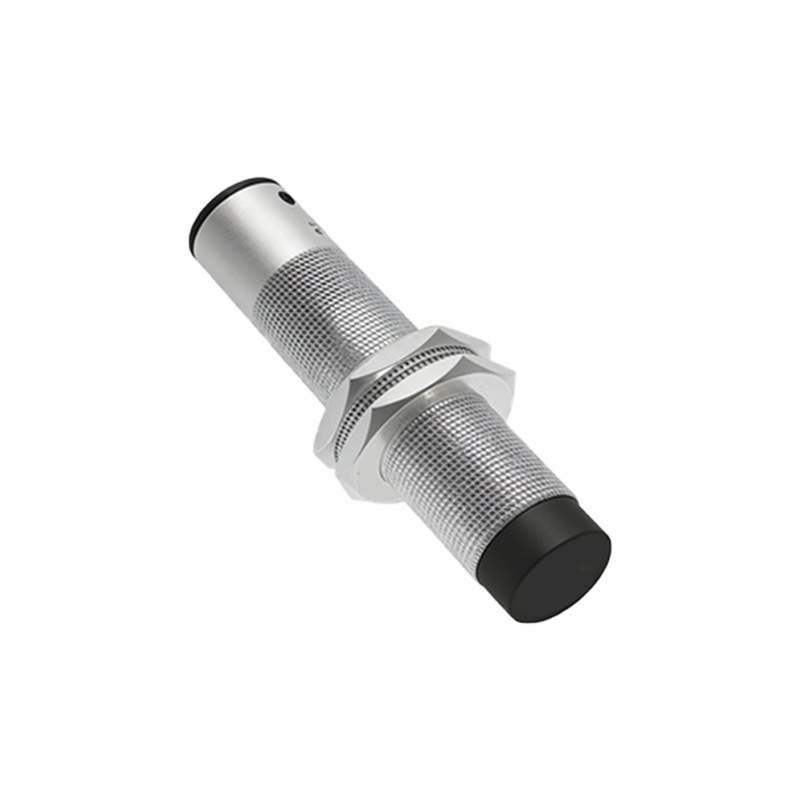
The global proximity sensor market has witnessed significant growth in recent years, driven by increasing automation across industries and the rising adoption of Industry 4.0 practices. Pricing for these sensors is not a one-size-fits-all metric; it varies considerably based on technology type, detection range, output configuration, housing material, and brand reputation. Understanding the factors influencing market quotes is essential for procurement specialists, engineers, and business decision-makers.
At the core, proximity sensors are categorized by their underlying technology. Inductive sensors, used for detecting metallic objects, are generally among the most cost-effective, with basic models starting as low as $15 to $30 USD. Their pricing increases with features like extended sensing ranges, higher switching frequencies, or specialized housing for harsh environments. Capacitive sensors, capable of detecting both metallic and non-metallic materials, often carry a slightly higher price point, typically ranging from $25 to $60 for standard units. The more advanced photoelectric and ultrasonic sensors command premium prices. Simple photoelectric sensors might begin around $30, but models with long-range detection, precise background suppression, or fiber optic components can easily exceed $100. Ultrasonic sensors, valued for their versatility in detecting various object types regardless of color or material, usually start from $50 and can go well beyond $200 for complex, analog-output versions.
Beyond technology, specifications critically impact the quote. A sensor with a 2mm detection range will be less expensive than an identical-technology sensor with a 20mm range. Output type is another key determinant; sensors with analog outputs (4-20mA, 0-10V) or IO-Link digital communication capabilities are priced higher than basic two-wire or three-wire DC models with simple PNP/NPN switching outputs. Environmental ratings, notably Ingress Protection (IP) codes for dust and water resistance, add cost. An IP67-rated sensor for washdown applications in food and beverage plants will have a higher price than an IP40-rated sensor for a clean control cabinet.
The industrial ecosystem and application severity dictate housing materials. Standard plastic or nickel-plated brass housings are common for benign environments. However, sensors built with stainless steel (often V2A or V4A grades) for corrosive chemical exposure or extreme washdowns see a substantial price increment. Furthermore, manufacturers offer variants designed for specific high-demand sectors like automotive manufacturing, packaging machinery, or material handling, which include ruggedized designs and come with associated cost premiums.
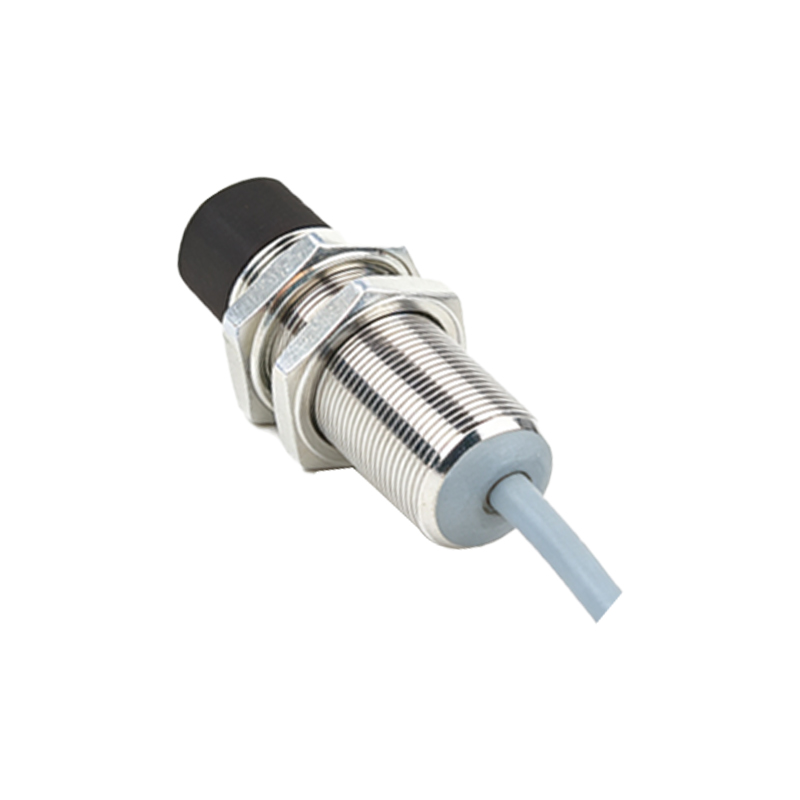
Brand positioning plays a undeniable role in market pricing. Established global leaders like Sick AG, Omron, Pepperl+Fuchs, and Balluff are associated with high reliability, extensive application support, and longer product lifecycles, which justifies their premium pricing strategy. Their quotes often reflect this brand value. In contrast, numerous competitive brands from Asia and other regions offer functionally similar sensors at lower price points, appealing to cost-sensitive projects. The choice often boils down to a trade-off between initial cost, total cost of ownership, and perceived risk of failure.
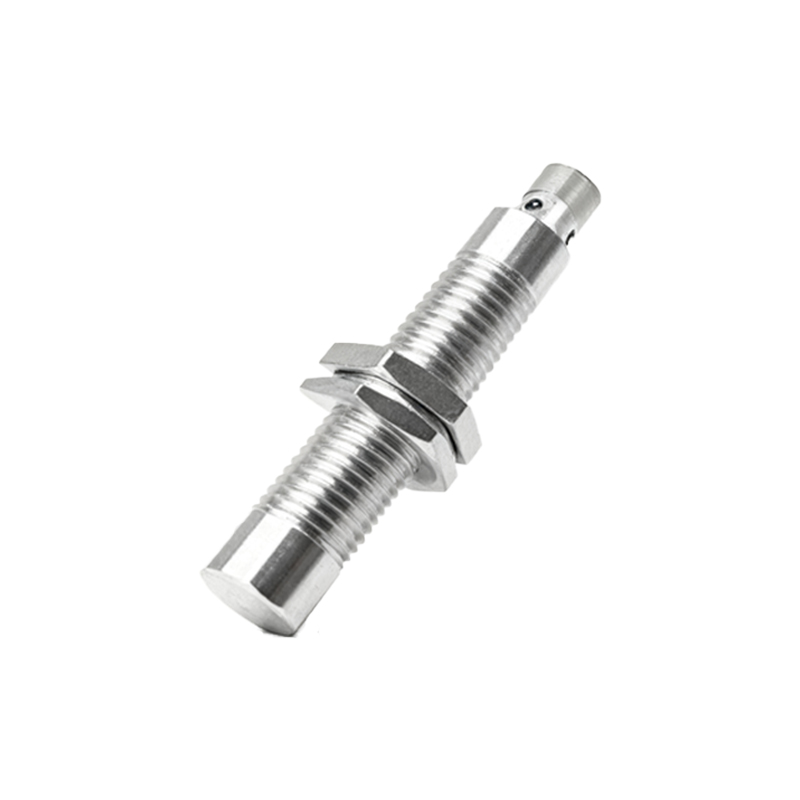
Market dynamics also exert influence. Raw material costs for electronics, metals, and plastics directly affect manufacturing expenses. Global supply chain fluctuations can lead to price volatility. Additionally, the scale of purchase matters significantly. An OEM ordering 10,000 units annually will receive a drastically different per-unit quote compared to an end-user buying a single replacement sensor. Distributors and system integrators often have tiered pricing models based on volume commitments.
Currently, several trends are shaping pricing. The integration of smart features like diagnostics, condition monitoring, and advanced connectivity (IO-Link, Ethernet-APL) is adding value but also increasing the average selling price. Conversely, economies of scale from mass production, especially for common inductive and basic photoelectric sensors, are applying downward pressure on entry-level prices. The growing demand from emerging economies is fostering competition, which can lead to more aggressive pricing from certain suppliers.
In conclusion, obtaining an accurate market quote for a proximity sensor requires a clear definition of the application requirements. A detailed specification sheet outlining the needed technology, range, output, housing, rating, and quantity is the first step. Buyers are advised to solicit quotes from multiple suppliers, considering both global brands and value-oriented manufacturers. The final decision should balance the initial procurement cost against factors like delivery time, warranty, technical support, and the criticality of the sensor in the production process to ensure optimal value and system reliability.