Proximity sensor packaging is a critical yet often overlooked aspect of modern electronic design. It serves as the vital interface between the sensitive internal components of the sensor and the often harsh external environment. The primary functions of the package are to provide robust physical protection, ensure reliable electrical connectivity, and facilitate the accurate transmission and reception of the sensing signal, whether it be infrared light, ultrasonic waves, or electromagnetic fields. As these sensors become ubiquitous in applications ranging from consumer smartphones and automotive systems to industrial automation and medical devices, the demands on their packaging have grown exponentially.
The design of a proximity sensor package is a multi-disciplinary challenge that balances conflicting requirements. Mechanical engineers focus on structural integrity, mounting features, and resistance to shock and vibration. Electrical engineers are concerned with signal integrity, minimizing parasitic capacitance and inductance in the leads, and ensuring stable power delivery. Optical engineers, for sensors using infrared or laser light, must design a window or lens that is both transparent to the specific wavelength and durable against scratches and environmental contaminants. Thermal management is another key consideration, as some sensing elements can be sensitive to temperature fluctuations, requiring packages that can dissipate heat effectively or provide a stable thermal environment.
Material selection is at the heart of packaging performance. For the housing, engineering plastics like PBT (Polybutylene Terephthalate) and LCP (Liquid Crystal Polymer) are common due to their excellent dimensional stability, good dielectric properties, and resistance to moisture and chemicals. In high-reliability or high-temperature applications, such as under an automobile's hood, thermosetting plastics or even ceramic packages may be employed. The optical window is typically made from specialized glasses or IR-transparent polymers like polycarbonate or cyclic olefin copolymer (COC), which are chosen for their specific transmission spectra and durability. The die attach material, wire bonds (usually gold or aluminum), and the lead frame or substrate material (often copper alloys or ceramics) all contribute to the overall reliability and longevity of the sensor.
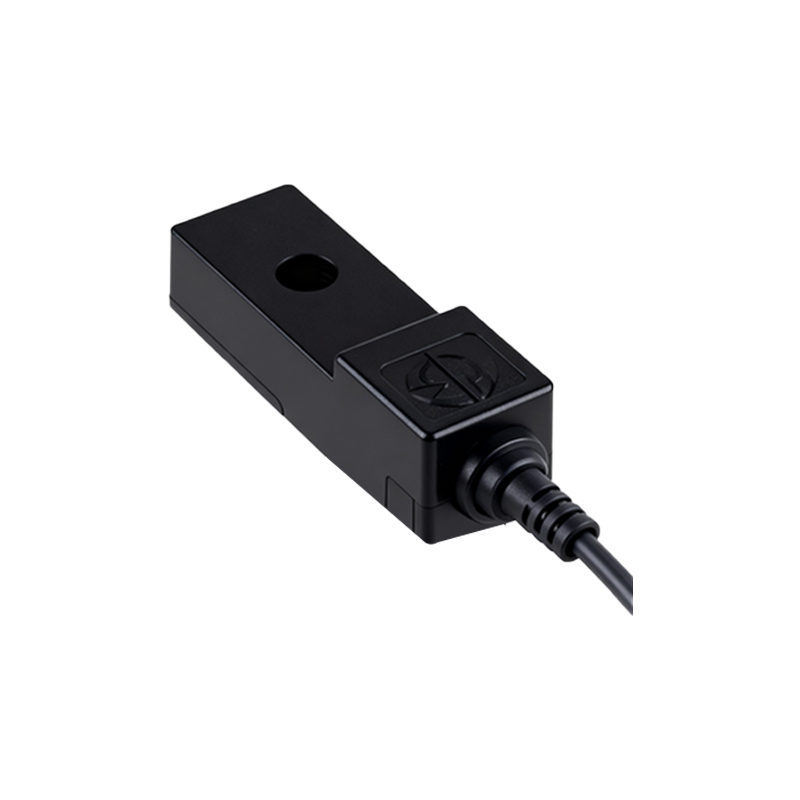
Manufacturing processes for proximity sensor packages vary with volume and performance needs. For high-volume, cost-sensitive applications like mobile phones, surface-mount device (SMD) packages produced using automated pick-and-place and reflow soldering are standard. These are often molded in epoxy and come in standardized footprints. For more specialized or high-performance sensors, a hybrid approach might be used, where the sensing die and associated ICs are assembled onto a custom substrate within a hermetic or near-hermetic enclosure. Advanced techniques like wafer-level packaging (WLP) are gaining traction, where the packaging and sealing processes are performed at the wafer level before dicing, leading to extremely compact and potentially lower-cost devices. Laser welding, ultrasonic sealing, and epoxy dispensing are common methods for final assembly and sealing.
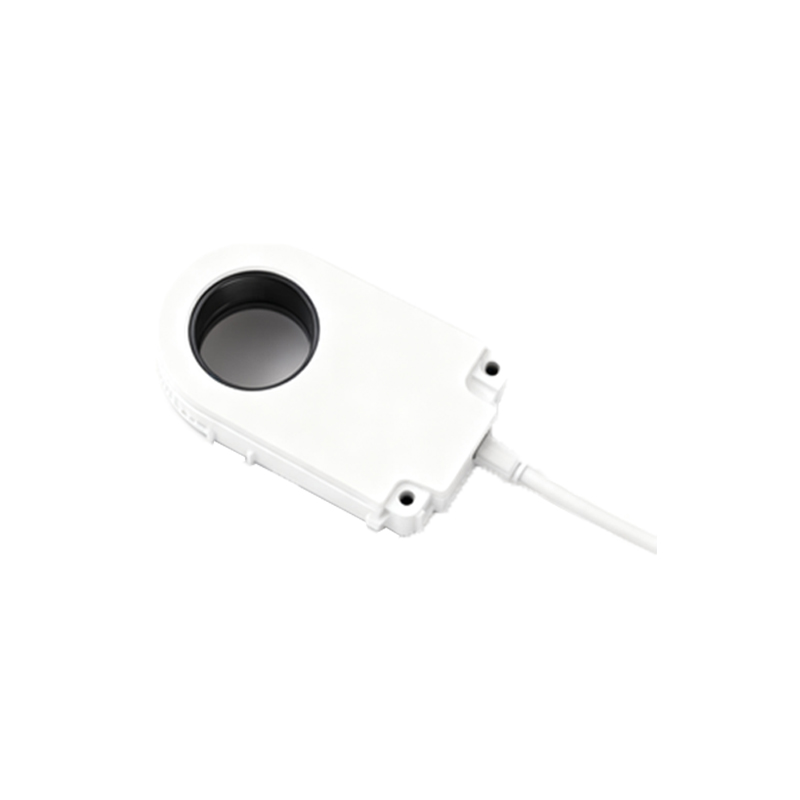
Current trends in proximity sensor packaging are driven by the needs of miniaturization, integration, and enhanced functionality. There is a strong push towards making packages smaller, thinner, and more form-factor flexible to fit into the sleek designs of modern devices. This is leading to the development of chip-scale packages and package-on-package (PoP) configurations. Furthermore, sensor fusion is a major trend, where proximity sensing is combined with other functions like ambient light sensing, gesture recognition, or time-of-flight measurement into a single multi-chip module (MCM) package. This integration reduces the overall system footprint and simplifies assembly for the end manufacturer. Finally, there is an increased focus on sustainability, with research into bio-based polymers and lead-free, halogen-free material sets that meet stringent environmental regulations without compromising performance.
In conclusion, the packaging of a proximity sensor is far more than a simple protective shell. It is a sophisticated, multi-functional subsystem that directly influences the sensor's accuracy, reliability, and suitability for its intended application. As sensor technology continues to advance, packaging innovation will remain a key enabler, allowing these tiny electronic sentinels to perform flawlessly in an ever-wider array of challenging environments and smart applications. Engineers must consider packaging requirements from the earliest stages of sensor design to achieve an optimal balance of performance, cost, and manufacturability.