Introduction to Proximity Sensor Manufacturing Landscape
The global market for proximity sensors is a dynamic and rapidly expanding field, driven by automation, Industry 4.0, and the proliferation of smart devices. Understanding the geographical distribution of manufacturing facilities is crucial for procurement, supply chain management, and strategic partnerships. Major production hubs are concentrated in regions with strong electronics ecosystems, skilled labor forces, and favorable trade policies. This article provides an overview of key manufacturing locations and the factors that influence factory siting for leading proximity sensor producers.
Primary Manufacturing Regions and Key Players
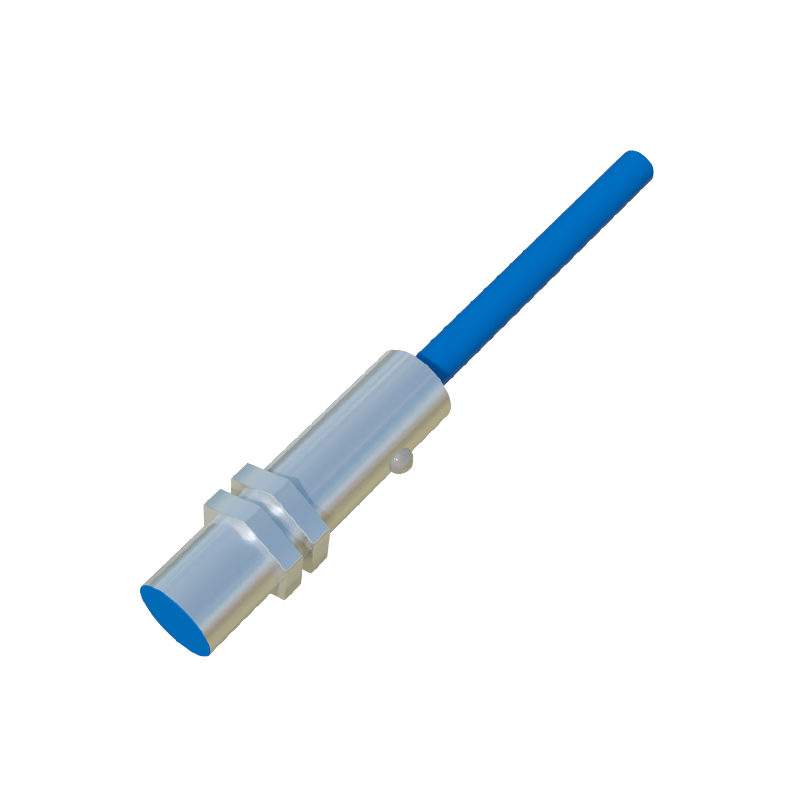
Asia-Pacific stands as the dominant region for proximity sensor production. Within this region, Japan and Germany are historical leaders, housing the headquarters and advanced manufacturing plants of giants like Omron, Keyence, Sick, and Pepperl+Fuchs. However, a significant portion of high-volume production, especially for standardized inductive and capacitive sensors, has shifted to facilities in China, Taiwan, South Korea, and Southeast Asian nations like Thailand and Malaysia. These locations offer cost-effective manufacturing and are integral parts of the global supply chain for automotive, consumer electronics, and general industrial sectors.
Factors Influencing Factory Location Selection
Several critical factors determine where a company establishes its proximity sensor factory. Access to a reliable supply of raw materials and electronic components is paramount. Proximity to major industrial customers, such as automotive OEMs or electronics assembly plants, reduces logistics costs and lead times. The availability of a technically skilled workforce for precision assembly and quality control is a non-negotiable requirement. Furthermore, stable political environments, supportive government policies for manufacturing, and robust intellectual property protection laws heavily influence investment decisions.
Address Considerations for Specific Sensor Types
The type of proximity sensor can subtly influence manufacturing location. Factories producing high-precision, specialized sensors (e.g., long-range or analog-output sensors) often remain in regions with deep engineering expertise, such as Germany, Japan, or the United States. In contrast, facilities manufacturing high-volume, low-cost inductive sensors are frequently found in regions optimized for mass production. It is common for a single corporation to operate multiple factories across different continents to balance expertise, cost, and market accessibility.
The Role of Automation in Modern Facilities
Modern proximity sensor factories, regardless of location, are highly automated. The assembly of miniature components, laser welding, and final testing are often performed by robotic systems. This trend mitigates labor cost disparities between regions and elevates the importance of infrastructure—reliable high-speed internet for machine connectivity, stable power grids, and efficient transportation networks. A factory address in an industrial park with such infrastructure is more valuable than one based solely on low labor costs.
Supply Chain Resilience and Geographic Diversification
Recent global disruptions have underscored the importance of supply chain resilience. Many sensor manufacturers are re-evaluating their factory footprints, leading to a strategy often termed "China Plus One." This involves maintaining operations in Asia while establishing or expanding factories in other regions like Eastern Europe, Mexico, or India to mitigate risk. Therefore, a company's factory address list is becoming more geographically diversified to ensure continuity of supply.
How to Find and Verify a Factory Address
Legitimate manufacturers typically list their major production sites on their official corporate websites under sections like "Global Network," "Manufacturing," or "Contact Us." These listings often specify whether a location is a headquarters, R&D center, or production plant. For verification, industry directories, trade association memberships, and auditing certifications (like ISO 9001) linked to a specific address provide credibility. Due diligence is essential, especially when engaging with new suppliers.
Conclusion and Future Outlook
The address of a proximity sensor factory is more than a location; it is a reflection of corporate strategy, supply chain logic, and market focus. While Asia remains the production powerhouse, trends toward automation and supply chain diversification are shaping a more distributed global manufacturing map. Future factory addresses will increasingly appear in regions that successfully combine technical talent, advanced infrastructure, and strategic trade agreements to serve evolving global demand.