Introduction to Proximity Sensors in Induction Lighting
Proximity sensors have become an integral component in modern induction lighting systems, revolutionizing how these efficient light sources are controlled and managed. Unlike traditional lighting, induction lamps operate without electrodes, utilizing electromagnetic fields to excite gas and produce light. This fundamental difference necessitates intelligent control systems to maximize their inherent advantages of long lifespan and energy efficiency. Proximity sensors, particularly passive infrared (PIR) and microwave sensors, serve as the critical interface between the environment and the lamp, enabling automated operation based on the presence or absence of occupants. By integrating these sensors, induction lighting transcends its role from a mere light source to a smart, responsive element of building automation, contributing significantly to energy conservation and user convenience in commercial, industrial, and public spaces.
Core Operating Principles and Sensor Types
The functionality hinges on the sensor's ability to detect motion or presence within a designated area. Passive Infrared (PIR) sensors are the most common. They detect changes in infrared radiation emitted by warm-bodied objects, such as humans or animals, against the background ambient temperature. When a person enters a monitored zone, the sensor detects the infrared shift and sends a signal to activate the induction lamp. Microwave sensors, on the other hand, emit low-power microwave signals and measure the reflection. Movement within the field causes a Doppler shift in the reflected signal, triggering the light. Each type has its merits: PIR sensors are cost-effective and immune to radio interference, while microwave sensors can detect motion through non-metallic barriers and cover larger, more complex areas. The choice depends on the specific application environment and detection requirements.
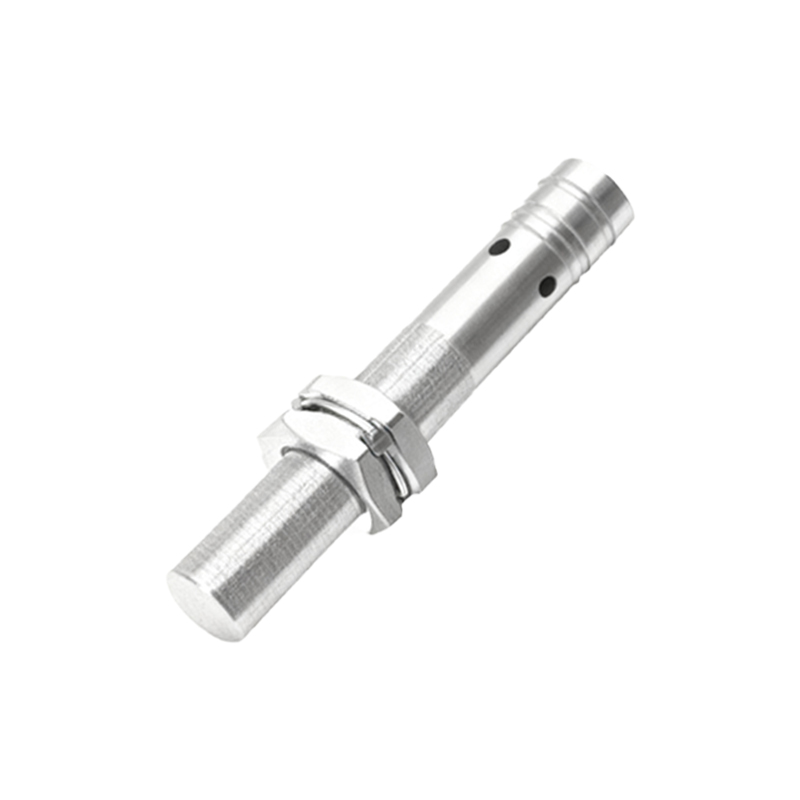
Integration with Induction Lamp Ballasts
The seamless integration of the proximity sensor with the induction lamp's electronic ballast is crucial for reliable performance. Modern ballasts for induction lamps are designed with input terminals or wireless protocols specifically for sensor connectivity. The sensor acts as a switch, sending a low-voltage control signal to the ballast. Upon receiving an "occupancy" signal, the ballast instantly powers the lamp. A key feature is the adjustable delay timer. After motion ceases, the sensor maintains the "on" signal for a user-defined period—typically from 30 seconds to 30 minutes—before signaling the ballast to turn off the lamp. This prevents frequent cycling, which is beneficial for the lamp's longevity. Advanced systems also incorporate daylight harvesting, where the sensor or a paired photocell dims or switches off the lights when sufficient ambient light is detected, compounding energy savings.
Key Benefits for Energy Management and Sustainability
The primary driver for adopting sensor-controlled induction lighting is substantial energy reduction. Lights are only operational when needed, eliminating waste in unoccupied rooms, corridors, warehouses, and restrooms. Induction lamps themselves are highly efficient, and adding sensor control can reduce a system's energy consumption by an additional 30% to 50%. This directly lowers operational costs and carbon footprint. Furthermore, by reducing the total operating hours, the already exceptional lifespan of an induction lamp—often exceeding 60,000 hours—is further extended, minimizing maintenance interventions and waste from lamp replacements. This combination of high efficiency, long life, and smart control makes sensor-integrated induction lighting a cornerstone of sustainable building design and green certification programs like LEED.
Enhancing Safety and Security in Applications
Beyond energy savings, proximity sensors add a vital layer of safety and security. In industrial settings, such as warehouses or manufacturing floors, lights automatically illuminate upon a worker's entry, preventing accidents in dark areas. In parking garages and outdoor perimeter lighting, motion-activated induction lamps provide well-lit pathways for safety while simultaneously deterring unauthorized activity by eliminating constant dark zones. The instant-on capability of induction lamps, without the warm-up time required by some HID lights, is perfectly matched with sensor activation, ensuring immediate full brightness when triggered. This reliable, automatic illumination enhances user confidence and security in public and private spaces alike.
Installation Considerations and Best Practices
Successful implementation requires careful planning. Sensor placement is paramount; it must have an unobstructed view of the detection zone and be mounted at an appropriate height, typically 2.4 to 3 meters for ceiling mounts. The field of view and sensitivity must be adjusted to cover the desired area without causing false triggers from sources like HVAC vents or sunlight. For large or irregularly shaped rooms, multiple sensors may be needed to ensure complete coverage. It is also critical to match the sensor's load rating with the total wattage of the connected induction lamps. Using a dedicated test mode during commissioning allows installers to fine-tune sensitivity, time delay, and daylight threshold settings for optimal performance tailored to the specific space.