Introduction to Proximity Sensors in New Energy Systems
The rapid evolution of the new energy sector, encompassing electric vehicles (EVs), renewable power generation, and energy storage systems, has precipitated a surging demand for high-precision, reliable sensing components. Proximity sensors, which detect the presence or absence of objects without physical contact, are integral to this technological revolution. They ensure operational safety, enhance efficiency, and enable automation in critical applications such as battery management, motor control, and charging infrastructure. As original equipment manufacturers (OEMs) focus on core competencies like battery technology and system integration, the strategic outsourcing of proximity sensor production to specialized contract manufacturers has become a prevailing industry trend. This partnership model allows for leveraging advanced manufacturing expertise while optimizing development cycles and cost structures.
Core Advantages of Contract Manufacturing for OEMs
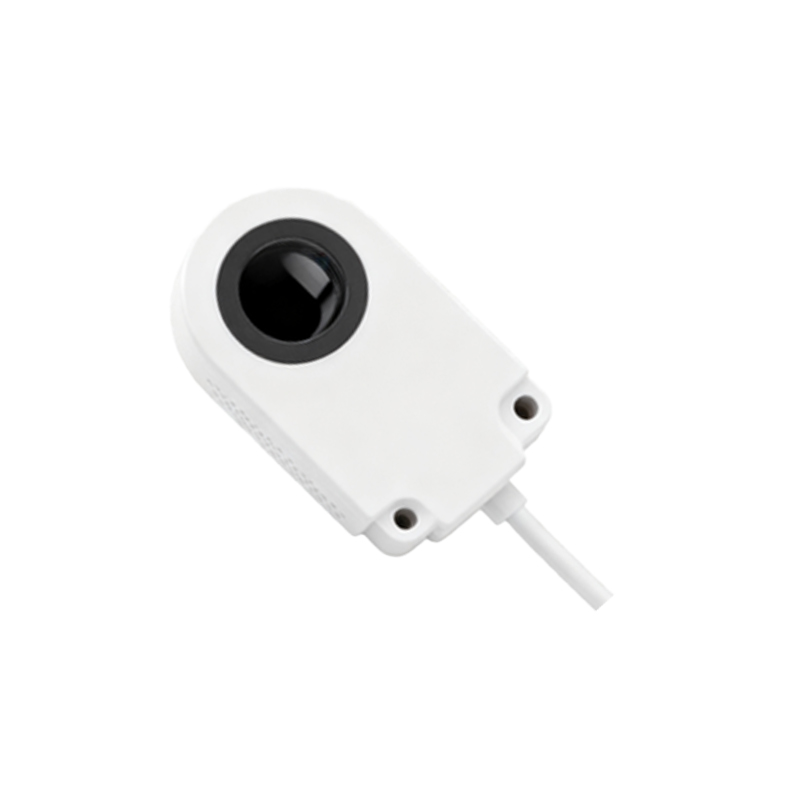
Engaging with a dedicated contract manufacturer for proximity sensors offers multifaceted benefits to new energy OEMs. Primarily, it provides access to state-of-the-art production facilities and specialized engineering knowledge without the capital expenditure of building in-house capacity. These partners possess deep expertise in sensor technologies—including inductive, capacitive, and magnetic variants—tailoring them to withstand harsh environments typical in new energy applications, such as extreme temperatures, vibration, and electromagnetic interference. Furthermore, contract manufacturers streamline the supply chain, managing component sourcing and inventory, which mitigates risk and accelerates time-to-market. This collaborative approach enables OEMs to scale production rapidly in response to fluctuating market demands, a critical capability in the fast-paced new energy industry.
Critical Technical Specifications and Customization
The efficacy of a proximity sensor in new energy systems hinges on precise technical specifications. Key parameters include sensing range, response time, output type (e.g., PNP/NPN, analog, IO-Link), and environmental ratings like IP67 or IP69K for protection against dust and moisture. For instance, sensors used in EV battery packs must offer high accuracy for position detection of cooling plates or busbars, while those in charging connectors require robust sealing. A proficient contract manufacturer does not merely assemble components; it collaborates from the design phase, offering customization in housing materials, connector types, and embedded software. This ensures the final product is not only compliant with industry standards (such as ISO 26262 for functional safety in automotive) but is optimally integrated into the OEM's specific subsystem.
Quality Assurance and Compliance in Manufacturing
Given the safety-critical nature of new energy applications, uncompromising quality assurance is paramount. Reputable contract manufacturers implement rigorous quality management systems, often certified to IATF 16949 for automotive and ISO 9001 for general quality. Production processes involve automated optical inspection (AOI), functional testing under simulated operational stresses, and 100% final validation. Compliance with regional and international regulations—such as the Restriction of Hazardous Substances (RoHS) directive and REACH—is meticulously verified. This end-to-end control, from incoming raw material inspection to final shipment, guarantees that every proximity sensor delivers consistent performance and longevity, directly contributing to the reliability and safety of the end product, be it an electric vehicle or a grid-scale energy storage unit.
Future Trends and Strategic Partnership Outlook
The trajectory of the new energy sector points toward greater electrification and smarter, interconnected systems. This evolution will drive demand for more intelligent proximity sensors with capabilities like predictive maintenance data output and enhanced communication protocols. Contract manufacturers are thus investing in advanced production technologies, such as flexible automation and digital twin simulations, to produce next-generation sensors. For OEMs, the relationship with a manufacturing partner is evolving from a transactional supplier model to a strategic, co-development alliance. Such partnerships foster innovation, allowing for the concurrent engineering of sensors and the systems they inhabit, ultimately accelerating the development of safer, more efficient, and sustainable new energy solutions globally.