Introduction to Proximity Sensing Technology
Proximity sensors are fundamental components in modern industrial automation, providing non-contact detection of objects within a defined sensing range. Their ability to operate without physical contact eliminates mechanical wear and tear, ensuring high reliability and long operational life in demanding environments. These sensors are crucial for tasks such as object detection, position verification, counting, and end-of-travel control. The selection of the appropriate proximity sensor type is dictated by the target object's material, the required sensing distance, environmental conditions, and the specific application's speed and accuracy demands. Understanding the primary classification based on operating principles is essential for optimal system integration and performance.
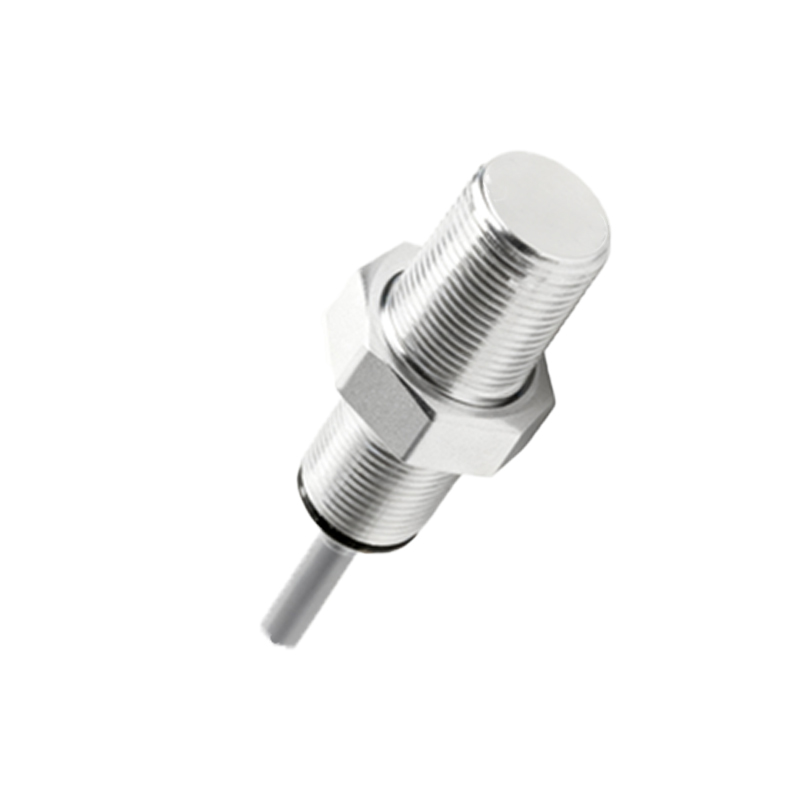
Inductive Proximity Sensors
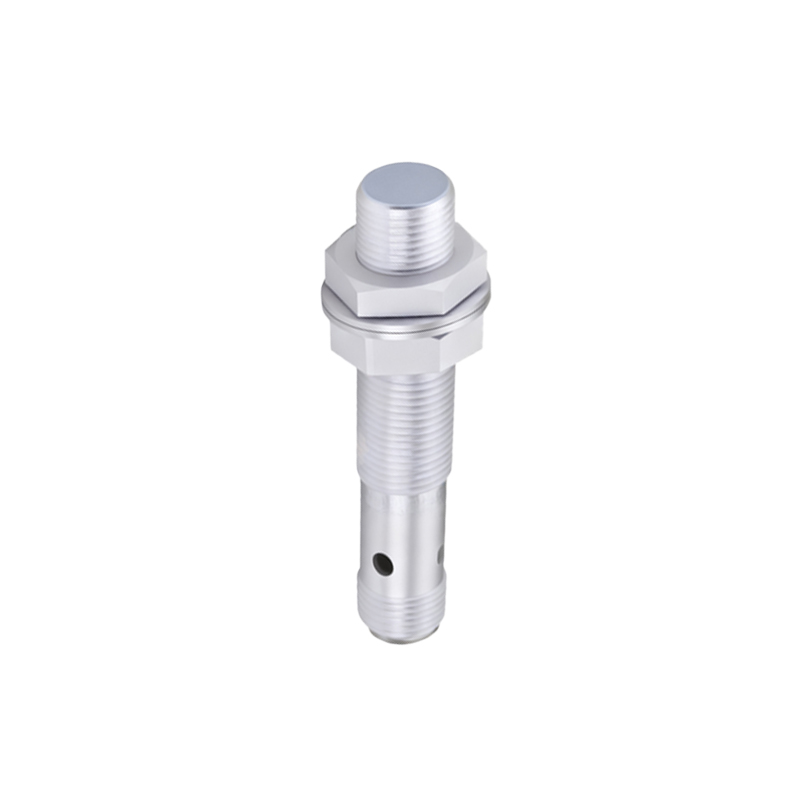
Inductive proximity sensors are designed exclusively for the detection of metallic objects. Their operation is based on the principle of electromagnetic induction. The sensor generates an oscillating electromagnetic field from its active face. When a metallic target enters this field, eddy currents are induced on the target's surface. This causes a change in the oscillation amplitude within the sensor's coil circuit, which is detected and triggers a switching output. These sensors are highly robust, resistant to dust, dirt, and moisture, making them ideal for harsh industrial settings like machine tools, assembly lines, and automotive manufacturing. They are further categorized by their core type: shielded (flush-mountable) and unshielded (non-flush mountable), which affects their sensing range and installation requirements.
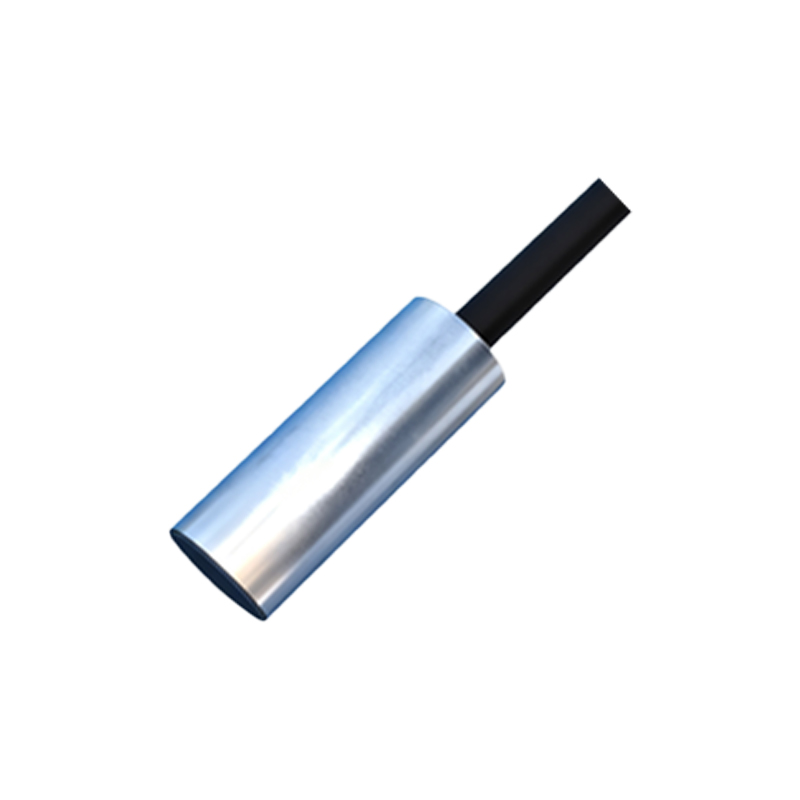
Capacitive Proximity Sensors
Capacitive proximity sensors offer a broader detection capability compared to inductive types. They can detect both metallic and non-metallic materials, including liquids, plastics, glass, wood, and granular substances. The sensor functions by generating an electrostatic field. Any object that enters this field alters the capacitance of the sensor's circuit. This change in capacitance is measured, and when it exceeds a preset threshold, the sensor switches its output state. This makes capacitive sensors versatile for applications like liquid level detection, material presence sensing in packaging, and detecting non-ferrous materials. They are sensitive to environmental factors like humidity and temperature, which must be considered during installation and calibration.
Ultrasonic Proximity Sensors
Ultrasonic sensors operate by emitting high-frequency sound waves (typically beyond human hearing) and evaluating the reflected echo. The time interval between sending the signal and receiving the echo is used to calculate the distance to the target object. This principle, known as time-of-flight, allows these sensors to detect objects regardless of their material, color, or transparency. They are effective for long-range detection, precise distance measurement, and level sensing of bulk materials or liquids in tanks. Common applications include parking assistance systems, robotic navigation, and conveyor belt monitoring. Performance can be affected by factors such as air turbulence, temperature gradients, and the object's sound-absorbing properties.
Photoelectric Proximity Sensors
Photoelectric sensors utilize light beams for detection. They consist of a light emitter (usually an LED) and a receiver. When the light beam is interrupted or reflected by an object, the change in light intensity at the receiver triggers the sensor's output. This category is subdivided into three main operating modes. Through-beam sensors have separate emitter and receiver units, offering the longest sensing ranges and high reliability. Retro-reflective sensors use a single unit and a reflector, where detection occurs when the beam is blocked. Diffuse (proximity) sensors have the emitter and receiver in one housing, detecting light reflected directly from the target object. They are excellent for detecting small objects, transparent materials, and are used extensively in packaging, material handling, and security systems.
Magnetic Proximity Sensors (Reed Switches)
Magnetic proximity sensors, commonly implemented as reed switches, detect the presence of a magnetic field, typically from a permanent magnet. The sensor contains two ferromagnetic reeds sealed within a glass tube. When a magnet approaches, the reeds magnetize and attract each other, making contact and closing the electrical circuit. They are simple, cost-effective, and can operate in environments with oil, dust, and where complete sealing is required. A key application is in cylinder position sensing, where a magnet is embedded in the piston. Their limitations include relatively slow switching speeds and susceptibility to mechanical shock. Solid-state Hall effect sensors are a more modern, durable alternative for magnetic detection.
Selection Criteria and Conclusion
Choosing the correct proximity sensor requires a systematic evaluation of several parameters. Key factors include the target material (metal, plastic, liquid), required sensing distance (range), output type (PNP/NPN, analog, IO-Link), switching frequency (speed), environmental robustness (IP rating, temperature range), and electrical requirements (supply voltage).