Introduction to Proveyor Proximity Switch Sensors
In the intricate world of industrial automation, conveyor systems serve as the vital arteries for material handling. Ensuring their smooth, efficient, and safe operation is paramount. At the heart of this reliability are proximity switch sensors. These non-contact electronic devices are indispensable for detecting the presence or absence of objects on a conveyor line without any physical contact. By providing critical feedback to the Programmable Logic Controller (PLC), they enable precise control over conveyor start/stop sequences, sorting operations, and safety interlocks. Their role transcends simple detection; they are fundamental to optimizing throughput, preventing equipment damage, and enhancing overall system intelligence.
Core Function and Operating Principle
A conveyor proximity switch sensor operates on the principle of electromagnetic field disturbance. Common types include inductive sensors for detecting metallic objects and capacitive sensors capable of detecting both metallic and non-metallic materials like wood, plastic, or liquids. When an object enters the sensor's active field, it causes a change in the oscillation amplitude or capacitance. The sensor's internal circuitry detects this change and triggers a solid-state switching action, sending a clean, rapid electrical signal to the control system. This non-contact nature eliminates mechanical wear, ensuring a long operational life even in harsh industrial environments filled with dust, vibration, and moisture.
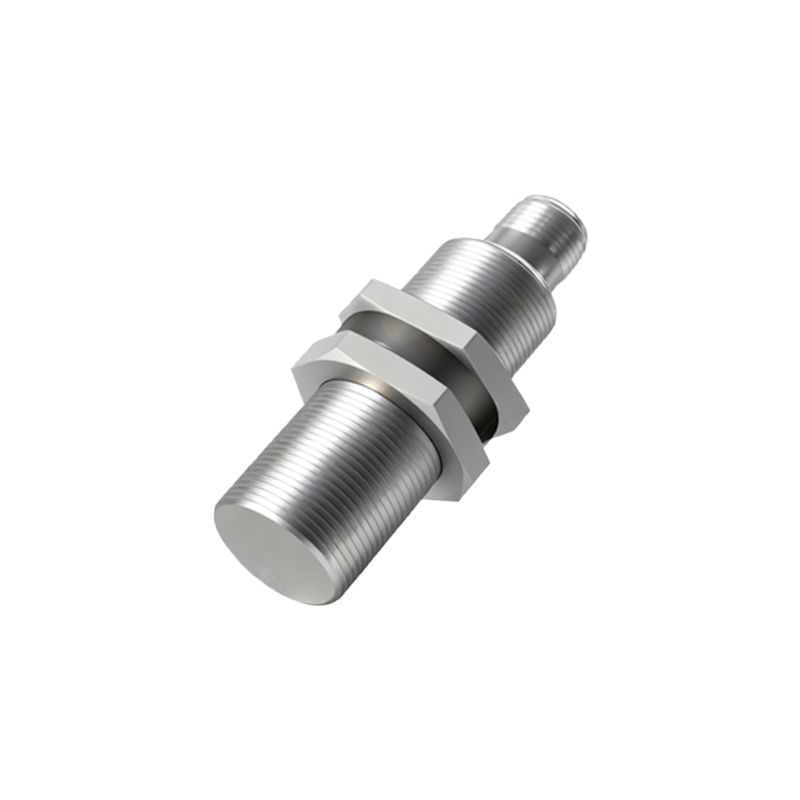
Key Roles in Conveyor System Control
The applications of proximity sensors on conveyors are diverse and critical. Primarily, they are used for object detection and positioning, signaling when a product has reached a specific point for subsequent actions like pushing, lifting, or sorting. They are crucial for jam detection; sensors placed at strategic points can identify product pile-ups and automatically halt the conveyor to prevent damage. Furthermore, they facilitate accurate counting and inventory management by registering each passing item. In automated packaging and palletizing lines, these sensors ensure precise product placement by confirming the position of boxes or items before a robotic arm engages.
Enhancing Safety and Preventing Damage
Safety is a non-negotiable aspect of industrial operations. Proximity switches contribute significantly to conveyor safety systems. They can be integrated as part of emergency stop circuits or as safety interlocks to ensure a guarding door is closed before the conveyor can start. By preventing the operation of machinery under unsafe conditions, they protect personnel from harm. Equally important is asset protection. Early detection of misaligned products, overloads, or mechanical failures via these sensors allows for immediate shutdown, preventing costly damage to the conveyor belt, motors, drives, and the products being transported.
Selection Criteria for Optimal Performance
Choosing the right proximity sensor for a conveyor application requires careful consideration of several technical parameters. The sensing range, or the distance at which the sensor can reliably detect an object, must be specified. The size and material of the target object directly influence this choice. Environmental factors are critical; sensors may require specific Ingress Protection (IP) ratings for dust and water resistance, or special housing materials for corrosive atmospheres. Output type (PNP/NPN, NO/NC) must be compatible with the PLC input card. Finally, switching frequency defines how quickly the sensor can respond, a vital factor for high-speed conveyor lines.
Installation, Alignment, and Maintenance Best Practices
Proper installation is key to reliable sensor performance. The sensor must be securely mounted to avoid vibration-induced false signals. Correct alignment with the expected path of the target object is essential to ensure the sensing field is effectively interrupted. Maintenance, though minimal compared to mechanical switches, involves periodic checks for accumulated debris on the sensing face, verification of mounting integrity, and testing of the output signal. Modern sensors often feature LED indicators for easy diagnostics, showing power status and output activation, which simplifies troubleshooting and reduces downtime.
Integration with Modern Industrial Networks
The evolution of Industry 4.0 has seen proximity sensors become smarter and more connected. While traditional models provide simple discrete signals, advanced versions now offer IO-Link capability. This communication protocol allows for bidirectional data exchange. Beyond just a switch signal, the sensor can transmit parameters like operating temperature, signal strength, and device health to the control system. This enables predictive maintenance, remote configuration, and richer data collection for process optimization, integrating seamlessly into the broader Industrial Internet of Things (IIoT) ecosystem of the smart factory.
Conclusion: The Unsung Hero of Automation
Conveyor proximity switch sensors, though often small and unobtrusive, are foundational components that bring intelligence, safety, and efficiency to material handling systems. Their ability to provide reliable, non-contact detection in demanding conditions makes them irreplaceable. From ensuring the precise flow of goods in a distribution center to safeguarding complex assembly lines, their contribution is