Introduction to Capacitive Proximity Sensors
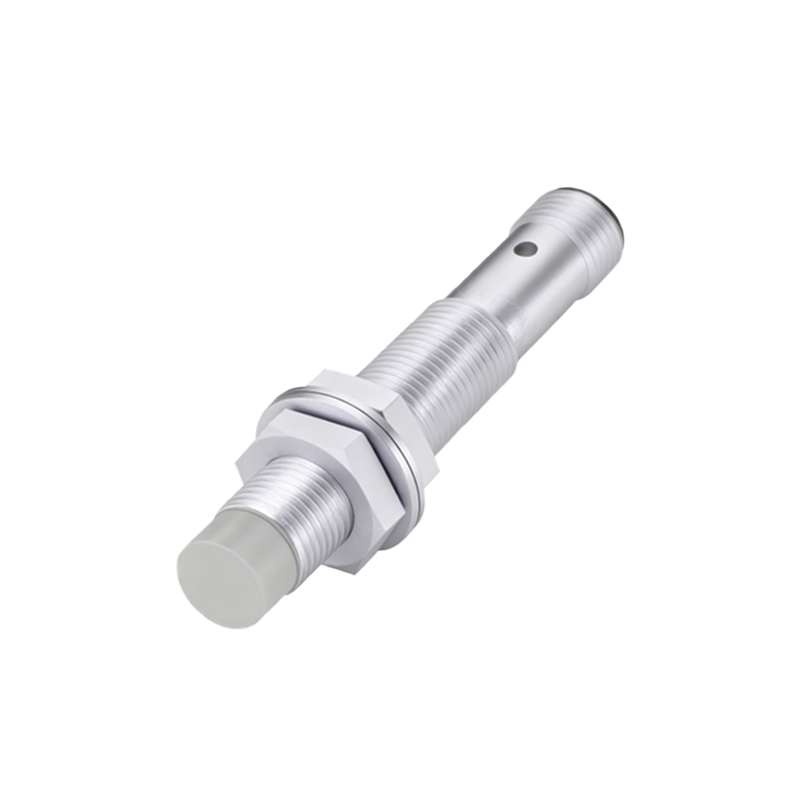
Capacitive proximity sensors are versatile devices widely used in industrial automation for detecting objects without physical contact. They operate based on changes in capacitance, which occurs when an object enters the sensor's electrostatic field. Unlike inductive sensors that only detect metals, capacitive sensors can sense a variety of materials, including liquids, powders, and non-metallic solids. This capability makes them valuable in applications ranging from packaging to material handling, where diverse substances need monitoring. Understanding their working principle is key to determining their effectiveness with plastics.
Working Principle of Capacitive Sensing
The core mechanism of capacitive proximity sensors involves generating an electrostatic field from an electrode. When an object approaches, it alters the dielectric constant and capacitance in the field, triggering the sensor to output a signal. This change depends on the object's material properties, such as conductivity and permittivity. For instance, conductive materials like metals cause significant capacitance shifts, while non-conductive materials like plastics induce smaller changes. Sensors are typically adjustable to compensate for environmental factors, allowing them to detect low-permittivity materials effectively.
Detection Capability for Plastic Materials
Yes, capacitive proximity sensors can indeed detect plastic materials, though their performance varies based on plastic type and sensor settings. Plastics are generally non-conductive and have lower dielectric constants compared to metals, which means the capacitance change is less pronounced. However, many modern sensors feature high sensitivity adjustments that enable reliable detection of plastics, including polyethylene, PVC, and acrylic. Factors like plastic thickness, moisture content, and sensor distance influence detection accuracy. In practice, sensors are often calibrated to specific plastic applications, such as monitoring bottle levels or detecting plastic parts on conveyor belts.
Factors Affecting Plastic Detection
Several variables impact how well capacitive sensors sense plastics. The dielectric constant of the plastic is crucial—materials with higher values, like nylon, are easier to detect than those with lower values, such as Teflon. Environmental conditions, including humidity and temperature, can also affect performance by altering the plastic's properties or causing false triggers. Additionally, sensor design elements, like shield type and electrode size, play a role. Shielded sensors are better for targeting specific areas, while unshielded versions offer wider detection ranges but may be more prone to interference.
Applications in Industrial Settings
Capacitive proximity sensors are extensively used in industries involving plastics. In packaging, they detect plastic film or containers to control filling and sealing processes. In automotive manufacturing, they sense plastic components during assembly lines. They also monitor plastic granule levels in hoppers or detect leaks in plastic piping systems. Their ability to work through non-metallic barriers allows for hidden installations, such as sensing plastic objects behind glass or thin walls. This flexibility enhances automation efficiency and reduces manual intervention.
Comparison with Other Sensor Types
When evaluating sensors for plastic detection, capacitive types are often compared to inductive and ultrasonic sensors. Inductive sensors are unsuitable for plastics as they only respond to metals. Ultrasonic sensors use sound waves and can detect various materials, including plastics, but may struggle with soft or absorbent surfaces. Capacitive sensors offer a balance, providing contactless detection for non-metallics without being affected by color or transparency. However, they may require more tuning for consistent results with low-permittivity plastics compared to conductive targets.
Best Practices for Using Capacitive Sensors with Plastics
To optimize capacitive sensor performance with plastics, follow these guidelines. First, select sensors with adjustable sensitivity and hysteresis to fine-tune for specific plastic materials. Ensure proper installation by minimizing environmental interference, such as keeping sensors away from metal objects or moisture sources. Regular maintenance, including cleaning electrodes to prevent dust buildup, helps maintain accuracy. Testing in real conditions before deployment is recommended to verify detection range and reliability. Manufacturers often provide datasheets with dielectric constant references to aid in sensor selection.
Conclusion and Future Trends
Capacitive proximity sensors are effective tools for detecting plastic materials in industrial applications, thanks to their adaptable sensing principles. Advances in technology, such as digital signal processing and IoT integration, are enhancing their precision and connectivity. Future developments may include smarter sensors with self-calibration features for diverse plastics, further expanding their use in sustainable and automated systems. By understanding their capabilities and limitations, engineers can leverage these sensors to improve efficiency and innovation in handling plastic-based processes.