Introduction to Ceramic Proximity Switch Sensors
Ceramic proximity switch sensors represent a significant advancement in non-contact detection technology, widely utilized across various industrial sectors. These sensors operate on the principle of electromagnetic induction or capacitive sensing, where a ceramic face provides exceptional durability and resistance to harsh environmental factors. Unlike traditional metallic-housed sensors, ceramic-bodied variants offer superior performance in corrosive, high-temperature, and abrasive settings. Their primary function is to detect the presence or absence of a target object without physical contact, thereby eliminating mechanical wear and enabling high-speed, reliable operation in automated systems. The inherent material properties of advanced technical ceramics make these sensors indispensable for demanding applications where longevity and signal stability are paramount.
Core Operating Principles and Sensing Technologies
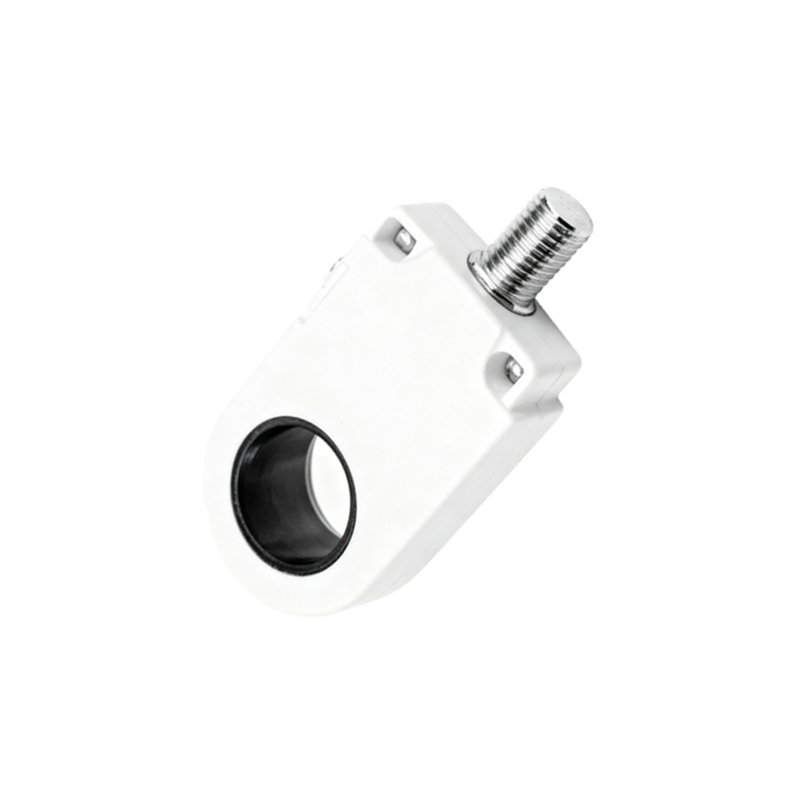
The functionality of ceramic proximity sensors hinges on two main technologies: inductive and capacitive sensing. Inductive ceramic proximity switches generate an oscillating electromagnetic field from a coil housed within the ceramic body. When a metallic target enters this field, eddy currents are induced, causing a change in the oscillation amplitude. This change is detected by the sensor's circuitry, triggering a solid-state switch. Capacitive ceramic sensors, on the other hand, detect both metallic and non-metallic objects by measuring changes in capacitance between the sensor face and the target. The ceramic material acts as an excellent dielectric and protective barrier. Key components include the sensing coil or electrode, the oscillator circuit, the signal evaluator, and the solid-state output switch, all encapsulated within a robust, hermetically sealed ceramic housing.
Material Advantages: Why Ceramic?
The selection of high-performance ceramics, such as alumina (Al2O3) or zirconia (ZrO2), for the sensor housing and face is a critical design decision. Ceramic offers exceptional hardness, ranking just below diamond on the Mohs scale, which grants unparalleled resistance to abrasion from particulate matter or direct contact with rough targets. Its chemical inertness ensures immunity to corrosion from acids, alkalis, solvents, and salts, a common failure point for metal sensors. Furthermore, ceramics maintain their structural integrity and insulating properties at extremely high temperatures, often exceeding 150°C, where plastics would melt and metals might warp. This material stability also contributes to consistent sensing characteristics over the sensor's lifetime, with minimal drift due to environmental stress.
Key Performance Characteristics and Specifications
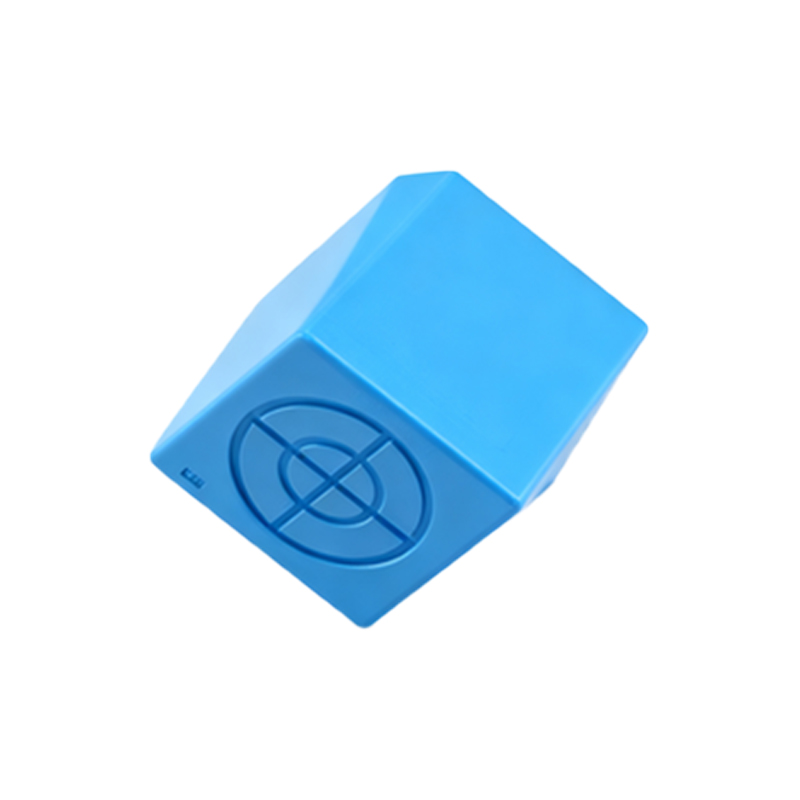
When specifying a ceramic proximity sensor, several technical parameters are crucial. The sensing range, typically from 1 to 15 mm for standard inductive models, is a primary consideration. Ceramic sensors often have a slightly reduced range compared to equivalent plastic-faced models due to the material's density, but this is compensated by extreme durability. Switching frequency defines how quickly the sensor can detect objects in succession, critical for high-speed packaging or assembly lines. Temperature range is a standout feature, with many ceramic sensors operating reliably from -25°C to +150°C. Other vital specs include output type (PNP/NPN, NO/NC), housing thread size (e.g., M8, M12, M18), ingress protection rating (commonly IP67/IP68/IP69K), and electrical connection style.
Industrial Applications and Use Cases
The rugged nature of ceramic proximity switches makes them ideal for severe-duty applications. In the automotive industry, they monitor robotic weld gun positions and part presence in paint shops resistant to chemical overspray. Within food and beverage processing, their smooth, non-porous ceramic face allows for easy cleaning and sterilization, meeting hygienic design standards while detecting bottles or packages on conveyors. In metalworking and foundries, they reliably detect hot metal billets or ingots near furnaces. Chemical and pharmaceutical plants employ them in areas with aggressive cleaning agents or explosive atmospheres (when appropriately certified). They are also fundamental in pulp and paper manufacturing, mining, and heavy machinery, where exposure to dust, moisture, and mechanical impact is constant.
Installation, Configuration, and Maintenance Best Practices
Proper installation is key to optimal performance. It is essential to consider the mounting environment, ensuring adequate clearance from surrounding metal (the flush or non-flush mounting specification) to achieve the stated sensing distance. Correct wiring per the datasheet is mandatory to prevent damage; most sensors feature short-circuit, overload, and reverse polarity protection. Configuration usually involves adjusting the sensing distance or hysteresis via potentiometers, though many fixed-range models are available for simplicity. Maintenance requirements are minimal due to the non-contact nature and robust housing. Routine checks should involve verifying the mounting integrity, cleaning the ceramic face of any persistent buildup that could dampen the sensing field, and testing the output signal with a target.
Comparative Analysis with Other Sensor Types
Compared to standard metallic or