Introduction to Inductive Proximity Sensing
The PR8-2DN represents a specific model within the broad category of inductive proximity sensors, a cornerstone technology in modern industrial automation. These non-contact devices detect the presence or absence of metallic objects without physical touch, offering unparalleled reliability and longevity in harsh environments. Operating on the principle of electromagnetic induction, they generate an oscillating electromagnetic field from a coil within the sensing face. When a conductive metal target enters this field, eddy currents are induced on the target's surface, causing a change in the oscillation amplitude. This change is detected by the sensor's internal circuitry, which subsequently triggers a solid-state switching output. The PR8-2DN is engineered for demanding applications, providing precise and repeatable detection of ferrous and non-ferrous metals, making it indispensable for tasks like position verification, counting, and end-of-travel detection in machinery.
Key Specifications and Technical Data of PR8-2DN
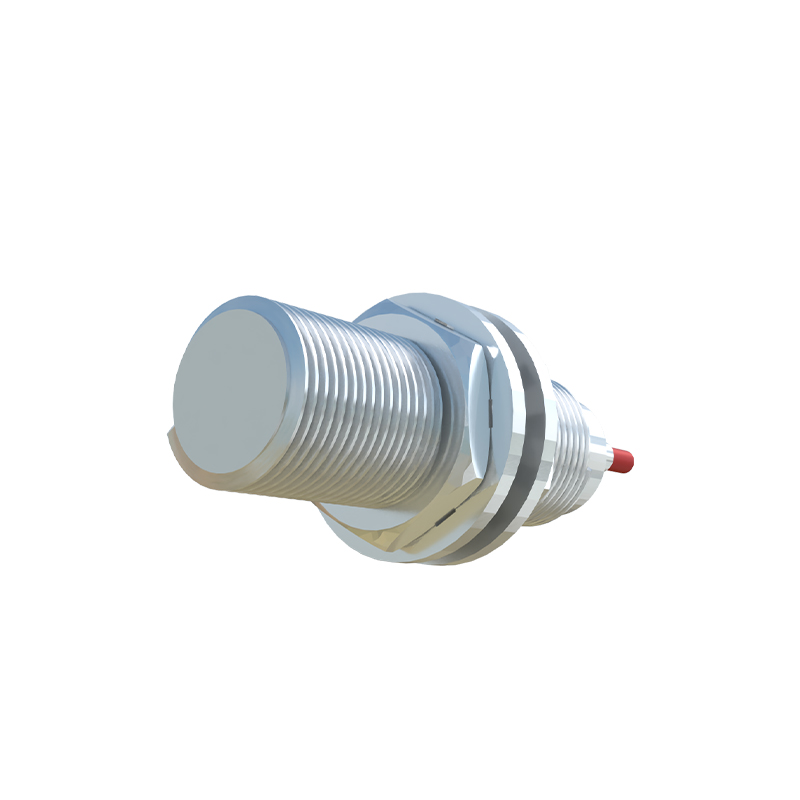
The PR8-2DN is characterized by its cylindrical M8 threaded barrel housing, a compact form factor ideal for space-constrained installations. A standard sensing distance of 2mm is nominal for this model, though actual usable range can be influenced by target material and size. It typically features a 2-wire DC configuration, simplifying wiring by utilizing the same two conductors for both power supply and load switching. Common operating voltages range from 10-30V DC, ensuring compatibility with standard industrial control voltages. The output is normally a DC PNP (sourcing) or NPN (sinking) transistor, capable of switching loads up to 200mA. Key performance metrics include a high switching frequency, allowing for detection of rapidly moving objects, and robust environmental ratings such as IP67, which guarantees protection against dust ingress and temporary immersion in water, crucial for washdown areas or outdoor use.
Installation and Wiring Considerations
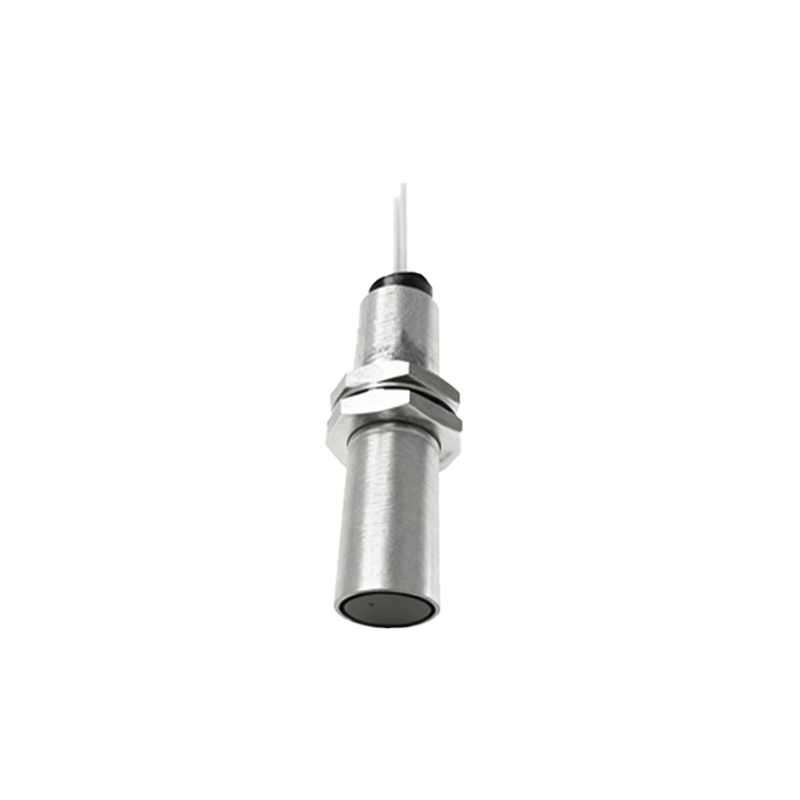
Proper installation is critical for optimal performance and longevity of the PR8-2DN sensor. The M8 thread allows for easy mounting in a drilled and tapped hole or via a standard nut. It is imperative to maintain the specified flush-mounting conditions; recessed mounting can reduce the effective sensing range. Adequate clearance around the sensing face must be provided to prevent interference from surrounding metal structures, a phenomenon known as "shielding." For the 2-wire DC version, wiring is straightforward: the brown wire connects to the positive DC supply, and the blue wire connects to the load and then to the negative DC supply. Attention must be paid to polarity. A protective fuse or circuit breaker in the supply line is recommended. For installations in environments with strong electromagnetic interference (EMI), using shielded cables and proper grounding practices is essential to ensure signal integrity.
Application Scenarios in Industrial Automation
The robustness and reliability of the PR8-2DN make it suitable for a vast array of industrial functions. In conveyor systems, it is frequently deployed for part presence detection, ensuring components are correctly positioned before a robotic pick-and-place operation. Within machine tools, it serves as a limit switch to confirm the home position of a slide or spindle, preventing over-travel and potential damage. On automated assembly lines, these sensors are used for small parts counting or to verify that a cap or lid has been properly applied. Their sealed construction allows them to function reliably in packaging machinery, where exposure to moisture and debris is common. Furthermore, in material handling and robotics, the PR8-2DN provides critical feedback for positioning grippers or end-effectors, contributing to the precision and efficiency of the entire system.
Advantages Over Mechanical Limit Switches
The transition from traditional mechanical limit switches to solid-state proximity sensors like the PR8-2DN offers significant operational benefits. The most prominent advantage is the absence of moving parts subject to wear and tear, resulting in a virtually infinite mechanical lifespan and reduced maintenance costs. The non-contact operation eliminates issues like contact bounce, arcing, and physical damage from target impact, leading to more consistent and reliable switching. Proximity sensors offer much faster response times, enabling higher machine cycle speeds. They are also impervious to vibration and can operate in environments filled with oil, coolant, or other contaminants that would jam or corrode a mechanical switch. This reliability directly translates to increased machine uptime and overall equipment effectiveness (OEE).
Troubleshooting and Maintenance Guidelines
Despite their durability, proximity sensors can encounter issues. Common problems include failure to detect a target, intermittent operation, or output staying constantly on or off. Initial troubleshooting should always involve verifying the power supply voltage and polarity at the sensor terminals. The target material, size, and approach speed should be checked against the sensor's specifications