Introduction to Proximity Sensing Technology
In the realm of industrial automation and advanced electronics, proximity sensors are indispensable components. Among the various types, infrared (IR) proximity sensors have carved a significant niche due to their reliability and versatility. A "Level 10" designation in this context typically refers to a high-grade classification, indicating superior performance metrics in terms of sensing range, accuracy, environmental immunity, and signal processing sophistication. This classification is not a universal standard like IP ratings but is often used internally by manufacturers or in specific industry segments to denote a top-tier product line capable of handling the most demanding applications.
Core Working Principle of IR Proximity Sensors
At its heart, an infrared proximity sensor operates by emitting an invisible beam of infrared light, usually from an LED. This light travels outward and, upon striking an object within its detection field, is reflected back towards the sensor. A photodetector, such as a phototransistor or photodiode, receives this reflected signal. The sensor's internal circuitry then analyzes the intensity of the returned light. The fundamental principle is that the intensity of the reflected IR light is inversely proportional to the square of the distance to the object. By measuring this intensity, the sensor can determine the presence and approximate distance of an object. Advanced models incorporate modulated IR signals to combat ambient light interference.
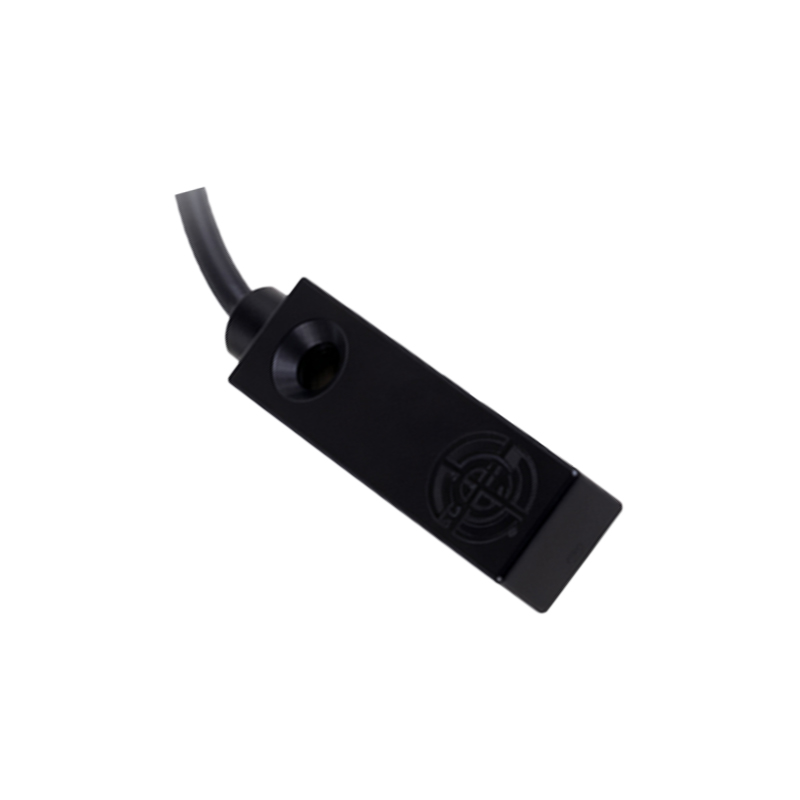
Defining the "Level 10" Performance Benchmark
So, what elevates a sensor to a "Level 10" status? This classification implies excellence across several key parameters. First is the extended and precise sensing range. While standard sensors may detect objects from a few centimeters to a meter, a Level 10 sensor might offer a longer, highly linear range with minimal deviation. Second is exceptional accuracy and resolution, providing consistent and repeatable measurements critical for precision automation. Third is robust environmental resilience, featuring advanced filtering against ambient IR noise from sunlight or other sources, and stable operation across a wide temperature range. Finally, it involves sophisticated output options, such as analog voltage/current proportional to distance, digital switching with adjustable thresholds, or even serial communication protocols like I2C for direct microcontroller integration.
Key Components and Advanced Signal Processing
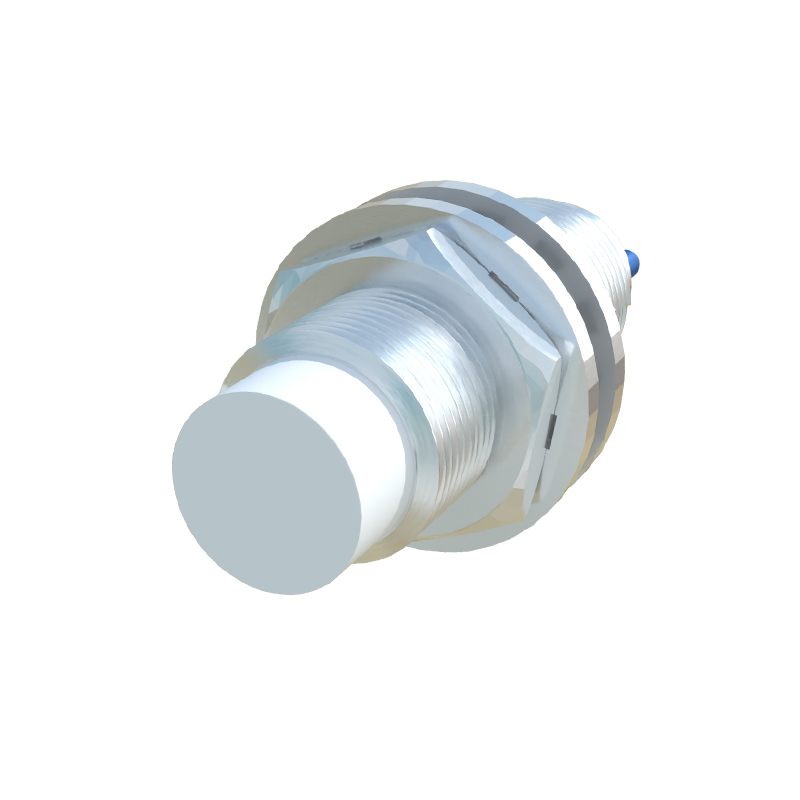
A Level 10 IR proximity sensor is built with high-quality components. It uses a high-output, focused IR LED and a sensitive, low-noise photodetector. The optical design, including lenses or apertures, is optimized to create a precise detection beam pattern. The true differentiator lies in its signal processing electronics. These sensors employ specialized ICs that handle modulation/demodulation of the IR signal. This process involves pulsing the IR LED at a specific high frequency and then tuning the receiver to only respond to light modulated at that same frequency. This technique effectively cancels out constant or slowly changing ambient light, a hallmark of high-performance sensors. Additional digital filtering and temperature compensation circuits ensure signal stability.
Primary Industrial and Commercial Applications
The robust capabilities of Level 10 IR proximity sensors make them suitable for challenging environments. In industrial automation, they are used for precise object detection on assembly lines, robotic arm positioning, and material level sensing in bins or hoppers. In consumer electronics, they enable features like automatic screen dimming in smartphones and laptops when a user is near. The automotive industry utilizes them for occupancy detection, gesture control, and safety systems. Other applications include touchless interfaces, paper detection in printers, and people counting systems. Their non-contact nature makes them ideal for use in sterile, abrasive, or sensitive environments.
Advantages Over Alternative Sensor Types
Compared to other proximity sensing technologies, Level 10 IR sensors offer distinct benefits. Unlike ultrasonic sensors, they are unaffected by air density, humidity, or wind, and provide faster response times. Compared to inductive or capacitive sensors, which only detect metals or various materials respectively, IR sensors can detect almost any solid object regardless of material, though performance can vary with color and reflectivity. They generally offer a better cost-to-performance ratio for medium-range applications than laser-based sensors (LiDAR). Their main limitation is potential interference from highly absorbent or transparent materials to IR light, and extreme ambient IR noise, which their advanced design actively mitigates.
Selection Criteria and Integration Considerations
Selecting the right Level 10 sensor requires careful analysis. Key specifications to review include sensing range, response time, repeat accuracy, output type (NPN/PNP, analog, digital), supply voltage, and environmental protection rating (e.g., IP67). The target object's size, color, surface texture, and the required mounting distance must be considered. Integration involves proper electrical connection, often requiring a pull-up resistor for digital outputs, and calibration of sensitivity or threshold