In industrial environments where flammable gases, vapors, or combustible dusts are present, safety is not just a priority—it's an absolute necessity. Explosion-proof proximity sensors are critical components in these hazardous areas, providing non-contact detection of objects while containing any potential ignition source within their rugged housings. Choosing the right manufacturer is a decision that impacts operational safety, reliability, and long-term cost-efficiency. This guide explores the key factors to consider and highlights leading manufacturers renowned for their quality and innovation.
The primary function of an explosion-proof proximity sensor is to detect the presence or absence of an object without physical contact, using electromagnetic fields, light, or sound. The "explosion-proof" designation means the sensor's enclosure is designed to withstand an internal explosion of specified gases or dusts and prevent the ignition from propagating to the surrounding hazardous atmosphere. These sensors are commonly certified to stringent international standards such as ATEX (Europe), IECEx (International), and NEC/CEC (North America).
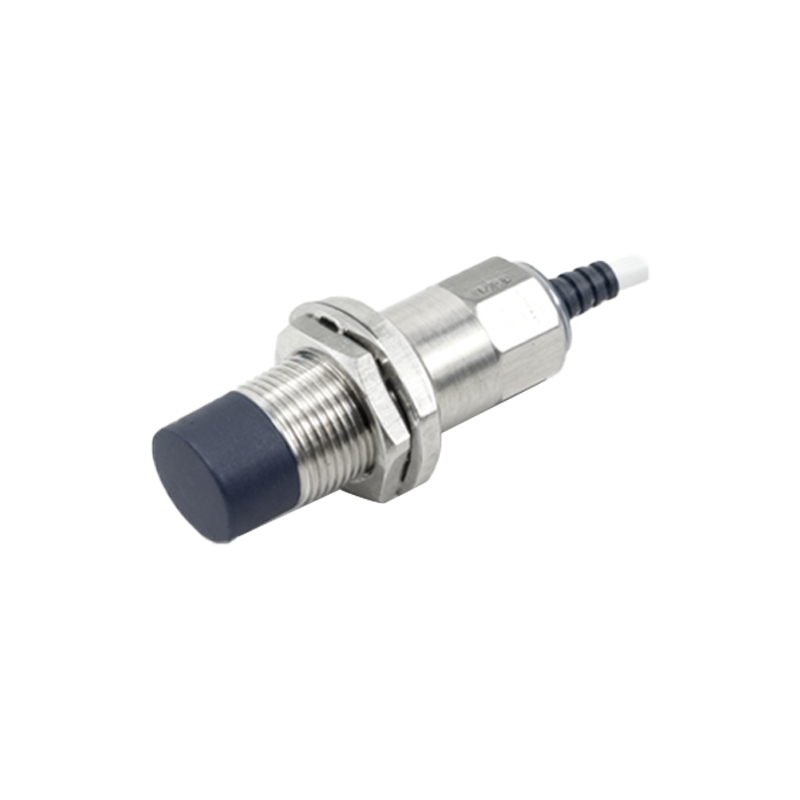
When evaluating which manufacturer is best for your application, several critical aspects must be examined. First and foremost is certification and compliance. A top-tier manufacturer will offer products with clear, authentic certifications for the specific hazardous zones (Zone 0/1/2 or Zone 20/21/22) where they will be deployed. Reputable companies invest heavily in independent testing and certification processes.
Next, consider the product's construction quality and material. The housing, typically made of robust stainless steel or brass, must offer high corrosion resistance, especially in offshore, chemical, or mining applications. The sensing face and cable glands are also crucial points of durability. Look for manufacturers that emphasize superior sealing (IP67/IP68/IP69K ratings) against dust and moisture ingress.
Technical performance is another differentiator. This includes sensing range, repeat accuracy, response frequency, and temperature operating range. The best manufacturers provide detailed datasheets and offer a wide range of models, including inductive, capacitive, and ultrasonic types, to suit different materials and detection needs. Compatibility with various output types (PNP/NPN, analog, IO-Link) and connection methods is also vital for system integration.

Reliability and mean time between failures (MTBF) are paramount. In hazardous locations, sensor failure can lead to costly downtime or, worse, a safety incident. Leading manufacturers build their reputation on exceptional reliability, often backed by extensive warranty periods and proven performance in the field. Their sensors are designed to endure constant vibration, shock, and extreme temperature cycles.
Finally, evaluate the manufacturer's global support network, technical expertise, and delivery capabilities. A supplier with a strong distribution and service network can provide faster local support, replacement units, and application engineering assistance. The ability to access comprehensive documentation, CAD drawings, and configuration software online is a sign of a customer-focused organization.
Several manufacturers consistently rank highly across these criteria. Brands like Sick, Pepperl+Fuchs, Balluff, ifm electronic, and Rockwell Automation (Allen-Bradley) are globally recognized leaders in industrial sensing, with dedicated explosion-proof product lines. These companies are known for their rigorous engineering, continuous R&D investment, and adherence to the highest safety standards. Sick, for instance, offers a vast portfolio of ATEX and IECEx sensors with advanced diagnostic capabilities. Pepperl+Fuchs is often cited for its deep expertise in intrinsic safety and explosion protection technology.
However, "best" is ultimately application-dependent. A sensor perfect for a grain silo (combustible dust) may differ from one needed on an oil rig (flammable gases). Engaging with technical sales engineers from shortlisted manufacturers is a crucial step. Provide them with detailed application parameters: the hazardous area classification, the target material to be detected, environmental conditions, required mounting, and output signals.
In conclusion, the question "which explosion-proof proximity sensor manufacturer is the best?" has no single answer. The best choice is the manufacturer whose product reliably, safely, and cost-effectively meets the specific demands of your hazardous location application. Prioritize certified safety, robust construction, proven performance, and strong technical support. By thoroughly assessing manufacturers against these pillars, you can make an informed decision that safeguards your personnel, protects your assets, and ensures the smooth operation of your critical processes in challenging environments.