Understanding the cost of proximity sensors is crucial for engineers, procurement specialists, and hobbyists alike. The price is not a single figure but a spectrum influenced by a complex interplay of technology, specifications, and market dynamics. This guide delves into the key factors determining proximity sensor pricing and provides a realistic overview of current market expectations.
The primary determinant of price is the underlying sensing technology. Inductive proximity sensors, used for detecting metallic objects, are generally the most cost-effective. Prices for standard cylindrical inductive sensors can start as low as $15 to $30 USD for basic models. Capacitive sensors, capable of detecting both metallic and non-metallic materials like liquids or plastics, typically command a higher price point, often ranging from $30 to $80 or more. Photoelectric sensors, which use light beams and offer longer sensing ranges, show a wide price variance. Simple diffuse models may be found for $40-$60, while more sophisticated through-beam or background suppression models can easily cost $80 to $200+. Ultrasonic sensors, known for their versatility in detecting various objects regardless of color or material, usually fall in a mid-to-high range, from $50 to $150 and beyond.
Beyond the core technology, specifications dramatically impact the final price. Sensing range is a major factor; a sensor with a 2mm range will be significantly cheaper than one with a 20mm range of the same type. The housing material also matters: stainless steel or specialized housing for extreme environments (high temperature, washdown) increases cost compared to standard nickel-plated brass or PBT plastic. Output configuration (PNP vs. NPN, analog vs. digital, IO-Link capability) adds complexity and cost. A basic two-wire DC sensor is less expensive than a three-wire or four-wire sensor with analog output or advanced diagnostics via IO-Link. Brand reputation and associated services like global availability, technical support, and warranty periods contribute to the price premium of established manufacturers like Omron, Sick, or Pepperl+Fuchs versus generic or lesser-known brands.
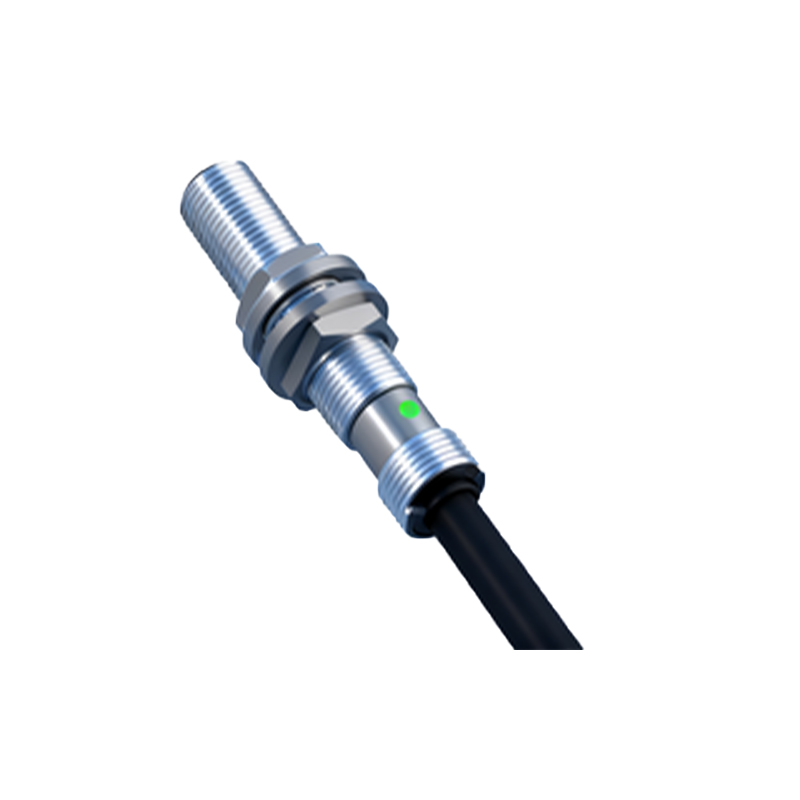
The application environment dictates specific requirements that influence price. Sensors designed for hazardous locations requiring ATEX or IECEx certification are substantially more expensive. Similarly, units built for food and beverage industries with full stainless steel construction and specific hygienic certifications carry a higher price tag. The level of ingress protection (IP67, IP69K) against dust and water also adds to the cost.
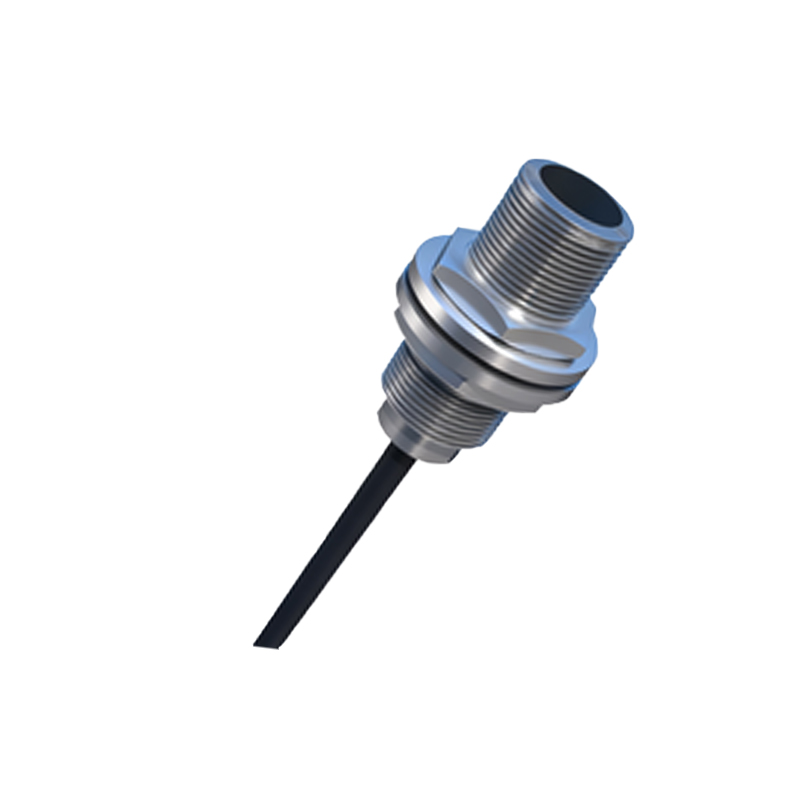
When considering price, it is essential to look at the total cost of ownership. A cheaper sensor that fails prematurely in a demanding environment can lead to costly downtime, replacement labor, and production losses. Investing in a robust, reliable sensor from a reputable supplier often proves more economical in the long run. The market has also seen a trend towards "smart" sensors with integrated networking and data capabilities. While these have a higher initial purchase price, they can provide valuable predictive maintenance data, reducing unplanned stoppages.
Currently, online marketplaces and electronics distributors list a vast array of options. For prototyping or non-critical applications, low-cost sensors from various suppliers are available. For industrial automation, partnering with a trusted distributor or directly with a manufacturer is advisable to ensure you receive the correct product, documentation, and support. Always request detailed datasheets and, if possible, samples for testing before large-scale procurement.
In summary, proximity sensor prices are a direct reflection of their capabilities, durability, and intelligence. Asking "how much does a proximity sensor cost?" is akin to asking the price of a car—the answer depends entirely on the model, features, and brand. A clear understanding of your application's technical requirements and environmental challenges is the first and most critical step in making a cost-effective purchasing decision.