In today's automated and safety-conscious industrial landscape, proximity sensors are indispensable. They detect the presence or absence of objects without physical contact, playing a critical role in manufacturing, packaging, automotive assembly, and countless other applications. For many businesses, especially small to medium-sized enterprises (SMEs) and startups, the initial cost of automation components can be a significant hurdle. The common perception is that high-quality sensing technology comes with a premium price tag. However, the market for affordable proximity sensors has expanded dramatically, offering reliable performance without straining your budget. Finding a cost-effective proximity sensor is not about compromising on quality but about making an intelligent choice based on a clear understanding of your requirements and the available options.
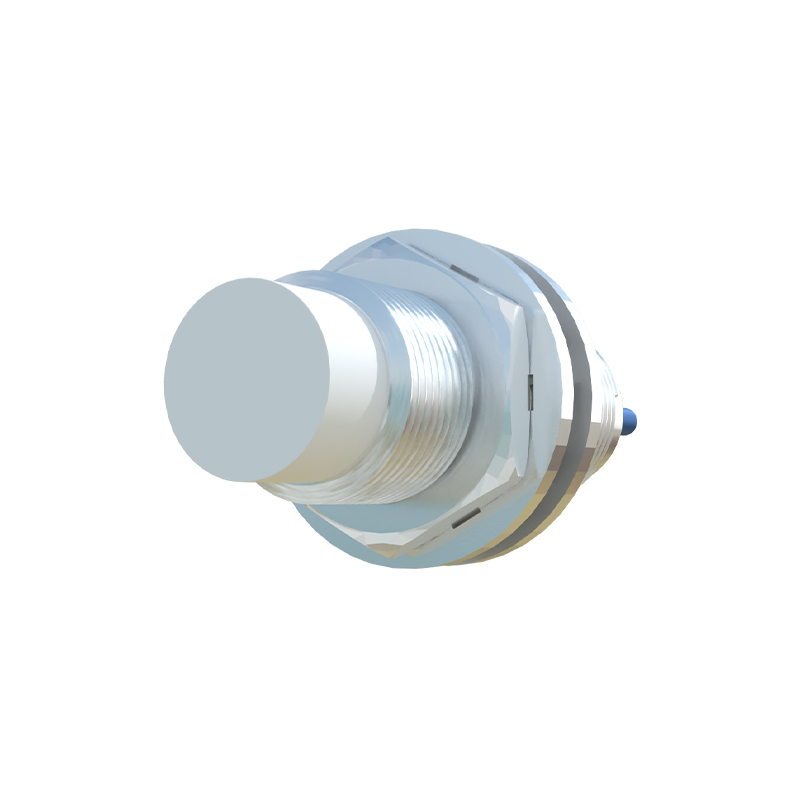
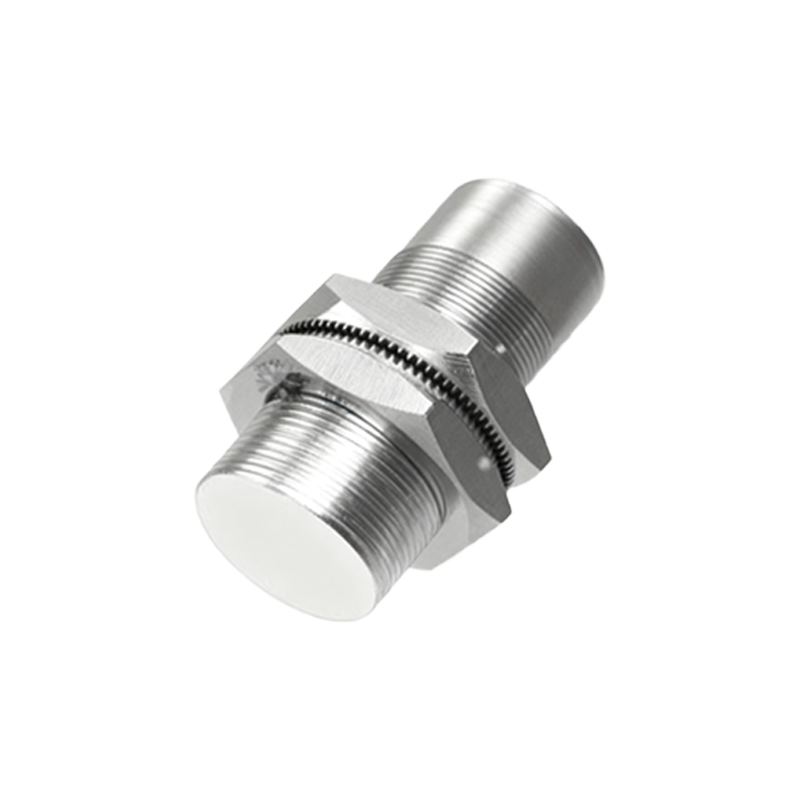
The key to securing a good price starts with a precise application analysis. Not every task requires a sensor with ultra-long range or exotic materials. Inductive sensors, for instance, are typically used for detecting metallic objects and are among the most common and economical types. If your application involves detecting non-metallic materials like wood, plastic, or liquids, a capacitive sensor is needed, which may have a slightly different price point. By accurately defining what you need to detect, the required sensing distance, environmental conditions (like temperature, moisture, or washdown needs), and the required output signal, you can avoid paying for unnecessary advanced features. A basic, well-suited sensor will always be more price reasonable than an over-specified one.
Another significant factor influencing the final price is the choice between standardized and customized products. Major manufacturers and a growing number of reputable suppliers offer vast catalogs of standard proximity sensors. These are produced in high volume, benefiting from economies of scale, which directly translates to a lower unit cost for the customer. Opting for a standard model from a trusted brand often provides the best balance of value for money, reliability, and availability. Customized sensors, while essential for unique applications, involve additional engineering and production costs. Therefore, always explore the standard offerings first; you might be surprised at how a standard sensor can be adapted to fit your needs.
The supply chain you choose plays a crucial role. While purchasing directly from large, well-known manufacturers guarantees quality, it may not always yield the lowest price. Authorized distributors and specialized industrial suppliers often have competitive pricing, bulk purchase discounts, and valuable technical support. Furthermore, the rise of global e-commerce platforms for industrial parts has increased market transparency, allowing buyers to easily compare prices and specifications from multiple vendors. This competition drives reasonable pricing and ensures that you, the buyer, have more power to find a deal that fits your budget. It is always advisable to request quotes from several suppliers for the same product specification.
It is vital to adopt a total cost of ownership (TCO) perspective rather than focusing solely on the initial purchase price. A seemingly cheap sensor that fails frequently, causes production downtime, or requires constant replacement will ultimately cost far more than a slightly more expensive, but robust and reliable model. Consider factors like durability, mean time between failures (MTBF), ingress protection (IP) ratings for harsh environments, and the ease of integration. A sensor with a good price-performance ratio minimizes long-term operational costs and maintenance headaches. Reading user reviews, seeking recommendations from industry peers, and checking product certifications can provide insights into real-world reliability.
In conclusion, achieving an affordable proximity sensor solution is a strategic process. It begins with a clear technical assessment of your application to avoid over-engineering. Leveraging the cost advantages of standardized products from established manufacturers and comparing offers through diverse procurement channels are effective steps. Most importantly, evaluating the sensor's value based on its long-term reliability and integration ease ensures true cost-effectiveness. By following this approach, businesses of all sizes can successfully integrate this essential automation technology, enhancing efficiency and safety while maintaining a healthy bottom line. The goal is intelligent procurement—finding the right sensor that delivers dependable performance at a fair and justifiable price.