Introduction to Two-Wire Proximity Sensors
Two-wire proximity sensors are fundamental components in industrial automation, valued for their simplicity and reliability. Unlike their three-wire or four-wire counterparts, these sensors integrate the switching element directly into the power supply line, requiring only two wires for both power and signal transmission. This design significantly reduces wiring complexity and installation costs, making them a popular choice for a wide range of applications, from conveyor systems to machine safety interlocks. Their operation is based on non-contact detection, meaning they can sense the presence or absence of a target object without physical touch, thereby minimizing wear and tear. The core principle involves generating an electromagnetic field or using capacitive or inductive effects to detect metallic or non-metallic objects, depending on the sensor type. Understanding their working mechanism is crucial for proper selection, installation, and troubleshooting in demanding industrial environments.
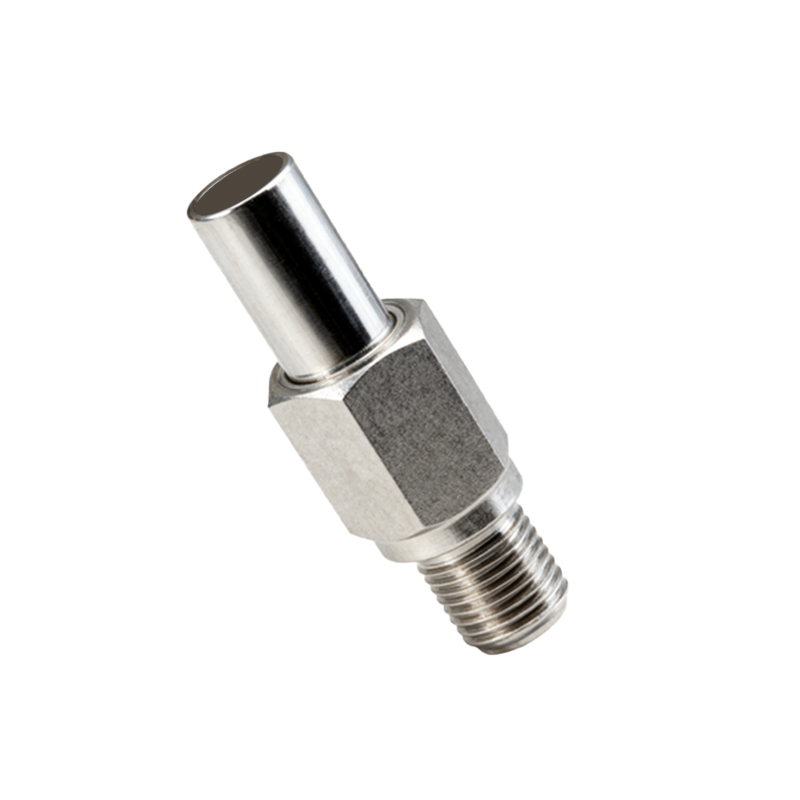
Core Operating Principle: Inductive and Capacitive Sensing
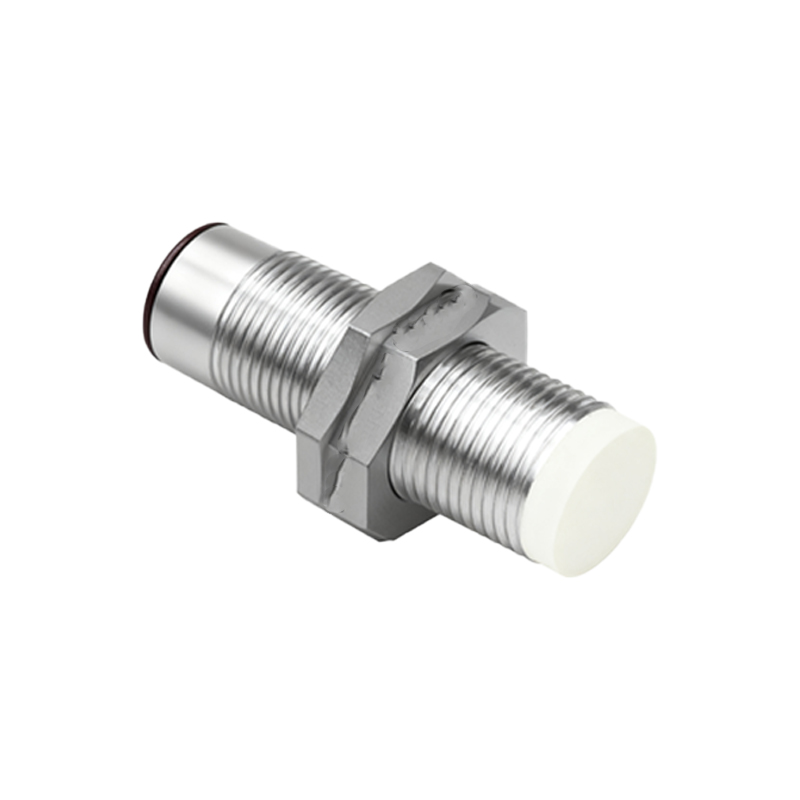
The functionality of a two-wire proximity sensor primarily hinges on either inductive or capacitive sensing technology. Inductive sensors are the most common for detecting metallic objects. They contain an oscillator circuit that generates a high-frequency electromagnetic field from a coil at the sensing face. When a conductive metal target enters this field, eddy currents are induced on the target's surface. These currents draw energy from the oscillator, causing a reduction in its amplitude. An integrated evaluation circuit monitors this amplitude change. Once the amplitude drop reaches a predefined threshold, the circuit triggers a state change in the solid-state switch (typically a MOSFET), allowing current to flow through the two-wire loop to the load, thus signaling the target's presence.
Capacitive two-wire sensors, on the other hand, can detect both metallic and non-metallic materials, such as plastics, liquids, or wood. They operate by generating an electrostatic field between the sensor's active surface and a ground reference. The introduction of any material with a different dielectric constant than air alters the capacitance of this field. The sensor's internal circuit detects this capacitance change. Similar to the inductive type, when the change exceeds a set level, it activates the internal switch to complete the circuit. Both types integrate the switching function in series with the power supply, meaning the sensor itself consumes a small quiescent current (leakage current) even in the "off" state to power its internal electronics.
Electrical Characteristics and Wiring Configuration
The defining feature of a two-wire sensor is its series connection within the DC or AC supply circuit. It functions as a variable impedance device. In the absence of a target (normal state), the sensor presents a high impedance, allowing only a small leakage current (typically 1-2 mA) to flow—sufficient to power its internal circuitry but insufficient to activate the connected load (e.g., a PLC input or relay coil). When a target is detected, the internal switch closes, significantly lowering the impedance. This allows the full load current (often up to 200 mA for DC models) to pass through, energizing the load and signaling detection.
Wiring is straightforward: one wire connects to the positive DC supply voltage (or phase for AC), and the other wire connects to the load, which is then connected to the supply negative (or neutral). This simplicity is a major advantage. However, it introduces considerations like voltage drop across the sensor and the necessity to ensure the leakage current does not inadvertently activate a highly sensitive load. Proper sizing of the load and stable power supply voltage are critical for reliable operation. The sensors are available in both Normally Open (NO) and Normally Closed (NC) configurations, with the NO type being most prevalent.
Key Advantages in Industrial Applications
The two-wire design offers several compelling benefits that drive its widespread adoption. First and foremost is the reduction in installation material and labor costs due to fewer wires and the elimination of a separate signal wire. This also simplifies cabinet layout and reduces potential wiring errors. Their robust construction, often with IP67 or higher ratings, makes them resistant to dust, moisture, and mechanical impacts, suitable for harsh factory floors. The non-contact nature ensures long operational life with no moving parts to wear out. Furthermore, the series connection can enhance safety in some circuits, as a wire break will de-energize the load. They are highly versatile, easily replacing mechanical limit switches in many applications, leading to maintenance-free operation and faster system response times.
Important Selection and Application Considerations
Selecting the correct two-wire proximity sensor requires careful analysis of the application parameters. The sensing distance, or nominal range, specified by the manufacturer must be derated for different target materials and sizes; inductive sensors are particularly sensitive to the type of metal