Introduction to Capacitive Proximity Sensing
Capacitive proximity sensors are a cornerstone of modern industrial automation. Unlike their inductive counterparts, which detect only metals, capacitive sensors can detect a wide range of materials, including liquids, plastics, wood, and granular substances. This versatility makes them indispensable in packaging, food and beverage, pharmaceutical, and material handling industries. The fundamental principle involves generating an electrostatic field. When a target object enters this field, it alters the capacitance of the sensor's circuit, triggering an output signal. This simple yet effective mechanism allows for non-contact detection through non-metallic barriers, enabling innovative solutions for level control, presence detection, and object counting.
The Core Advantage of a Larger Sensing Face
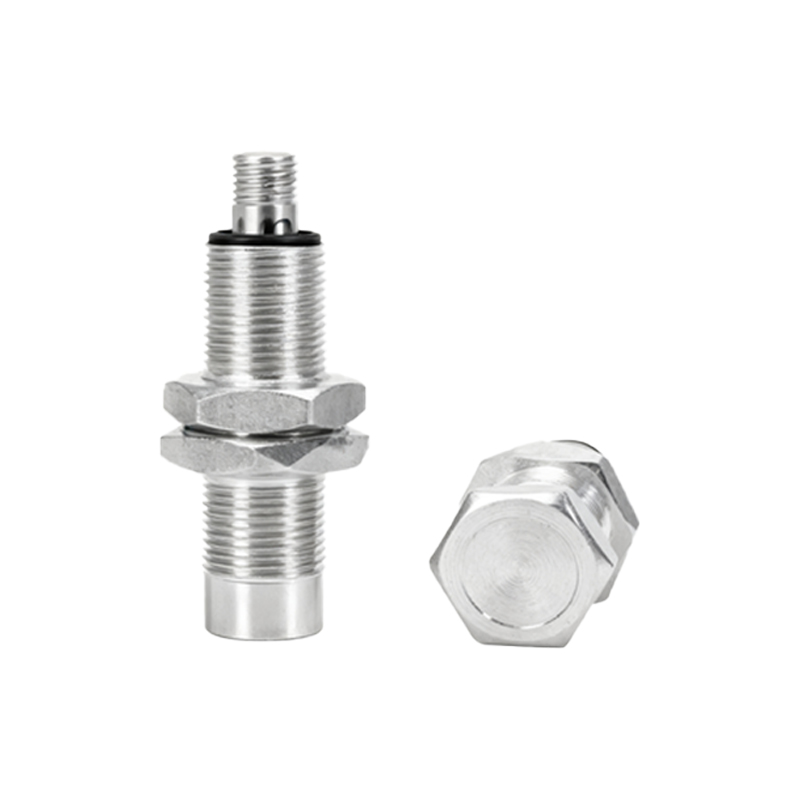
A common misconception is that sensor size is merely a physical constraint. In reality, for capacitive sensors, a larger active sensing surface area directly translates to superior performance. The size of the electrode plate within the sensor dictates the initial capacitance and the strength and reach of the electrostatic field. A larger plate creates a more robust and extensive field. This enhanced field provides a critical benefit: a significantly larger nominal sensing distance. While a standard miniature sensor might offer a range of 5-10mm, a larger, full-size sensor can reliably detect targets from 15mm, 25mm, or even 40mm away. This increased standoff distance is crucial for applications where sensors must be mounted away from the process to avoid physical damage, buildup, or for ease of maintenance.
Overcoming Real-World Application Challenges
Industrial environments are rarely ideal. Factors like material buildup, moisture, dust, and varying target compositions can plague sensing reliability. A larger capacitive sensor excels here. Its stronger electrostatic field is less susceptible to interference from minor contaminants on the sensor face. It can "see through" thin layers of non-conductive material like plastic container walls or glass with greater consistency. Furthermore, when detecting low-dielectric materials (such as certain plastics or dry powders), the increased sensitivity of a larger sensor is often the difference between consistent detection and failure. The sensor's field interacts with a greater volume of the target material, producing a more pronounced change in capacitance that the circuitry can easily recognize, even with challenging substances.
Stability, Sensitivity, and Reduced False Triggers
Stability is paramount in automation. A sensor that flickers or provides false signals can halt a production line. The physical and electrical design of larger capacitive sensors inherently promotes stability. They typically house more sophisticated circuitry with better filtering capabilities to ignore electrical noise common in industrial settings. The adjustable sensitivity potentiometer on these units has a broader, more precise range. An engineer can fine-tune the sensor to ignore a dusty container wall while reliably detecting the liquid level inside, for example. This precise adjustability, combined with the strong base signal from the large sensing face, dramatically reduces the occurrence of false triggers caused by environmental fluctuations.
Application Examples Where Size Matters
Consider a silo containing a non-conductive granular material like plastic pellets. A small sensor may struggle to detect the level as the material's dielectric constant is low. A large-face capacitive sensor, mounted externally on the plastic silo wall, can reliably monitor the fill level from the outside, eliminating the need for internal probes. In bottling lines, a large sensor can detect the presence of liquid inside a glass or plastic bottle with a generous air gap, ensuring each container is filled before capping. For bulk bag filling stations, a sensor with a large surface area can detect the presence of the bag itself and monitor for proper seating, preventing costly spills, all while being immune to dust.
Conclusion: Selecting the Right Tool for the Job
While miniature capacitive sensors have their place in tight spaces for detecting small objects, the rule of thumb for demanding industrial applications is to specify the largest sensor that physically fits the installation. The benefits—longer sensing range, improved reliability with difficult materials, greater stability against interference, and easier setup—far outweigh the marginal increase in cost and footprint. In engineering, robustness and reliability are key performance indicators. By choosing a capacitive proximity sensor with a generously sized sensing face, engineers and system integrators build more resilient, fault-tolerant, and efficient automated systems, proving that in this critical component, bigger is indeed better.