Introduction to Proximity Switch Sensors
Proximity switch sensors, fundamental components in industrial automation, are non-contact devices that detect the presence or absence of an object. Operating on principles such as inductive, capacitive, ultrasonic, and photoelectric sensing, these switches are critical for ensuring precision, safety, and efficiency in manufacturing and process control. Their ability to function reliably in harsh environments—amidst dust, moisture, and extreme temperatures—makes them indispensable across numerous sectors. The market for these sensors is not merely a niche segment but a dynamic and expanding field, driven by the relentless global push towards industrial digitization and smart manufacturing.
Current Market Size and Growth Projections
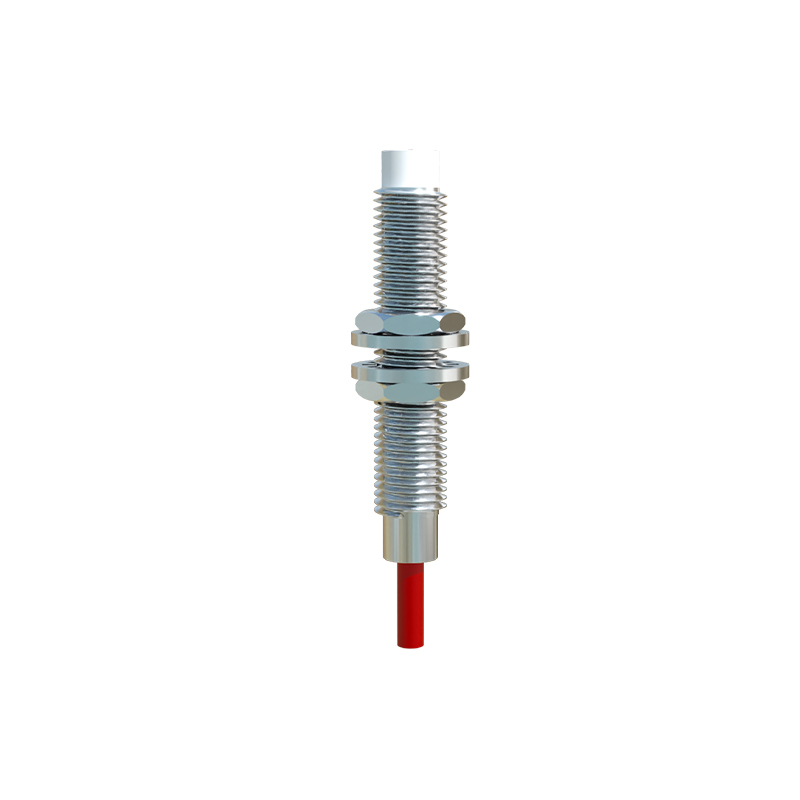
The global proximity sensor market presents a robust and growing landscape. Recent industry analyses consistently value the market in the multi-billion-dollar range, with a compound annual growth rate (CAGR) projected to remain positively strong over the next decade. This growth is underpinned by sustained demand from established industrial economies and accelerated adoption in emerging markets. The expansion of Industry 4.0 initiatives, which emphasize interconnectivity and real-time data acquisition, directly fuels the need for reliable sensing solutions like proximity switches. Market forecasts indicate that this upward trajectory is expected to continue, supported by technological advancements and new application discoveries.
Key Industry Drivers Fueling Expansion
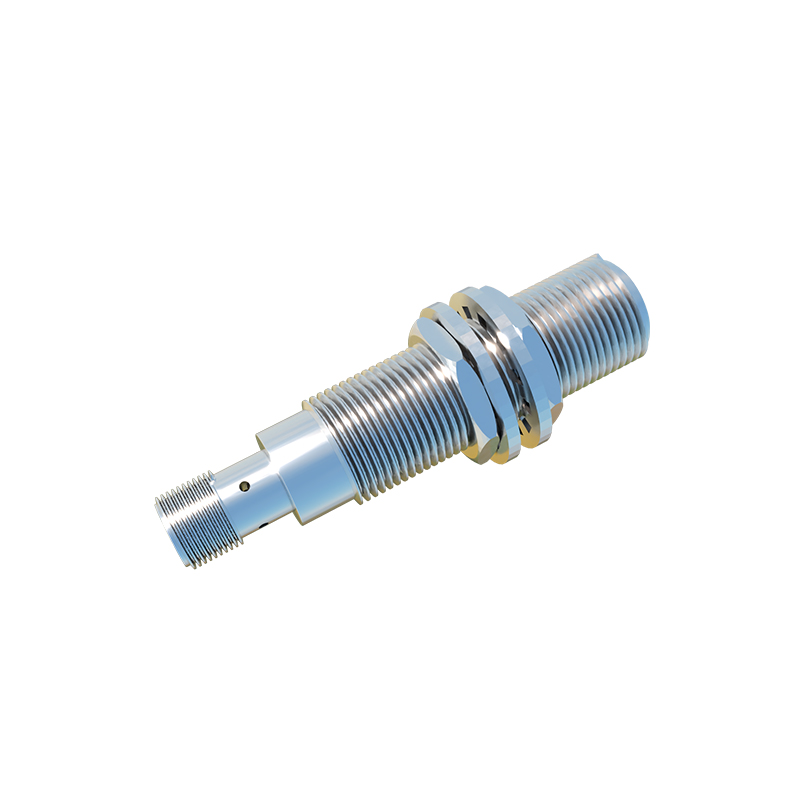
Several powerful forces are propelling the proximity switch sensor market forward. The primary driver is the widespread adoption of industrial automation and robotics across automotive, electronics, food and beverage, and packaging industries. Each robotic arm, conveyor system, and automated assembly line relies on numerous proximity sensors for positioning, counting, and inspection tasks. Secondly, the rise of the Internet of Things (IoT) and predictive maintenance strategies requires a dense network of sensors to monitor equipment health, preventing costly downtime. Furthermore, stringent safety regulations in machinery and automotive applications mandate the use of non-contact sensing for operator protection, creating a consistent, regulation-driven demand.
Major Application Segments and Demand
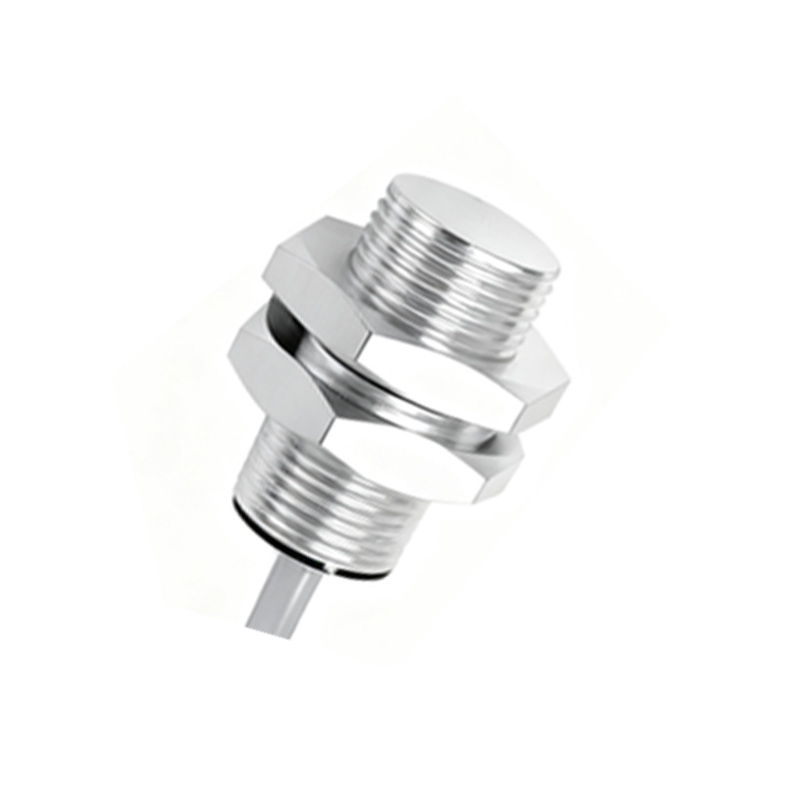
Demand for proximity sensors is diversified across several high-volume industries. The automotive sector remains a dominant consumer, utilizing sensors extensively in assembly robots, machine tools, and safety interlocks. The manufacturing sector, for general automation and material handling, constitutes another massive segment. Emerging applications are creating new demand pockets; for instance, in consumer electronics for touchless interfaces, in aerospace for precision measurement, and in healthcare equipment for hygienic, non-contact control. The diversification of applications reduces market vulnerability to cycles in any single industry and ensures broad-based growth.
Technological Trends and Innovations
Innovation is a key characteristic of this market, enhancing product capabilities and opening new possibilities. There is a clear trend towards miniaturization, allowing sensors to be installed in increasingly compact machinery. The integration of IO-Link and other smart communication protocols is transforming standard sensors into intelligent data points that provide diagnostic information beyond simple on/off signals. Furthermore, developments in materials and design are improving sensing ranges, resistance to environmental interference, and energy efficiency. The emergence of innovative hybrid sensors that combine multiple sensing technologies in one housing is also gaining traction for complex applications.
Regional Market Analysis and Hotspots
Geographically, the market landscape is varied. The Asia-Pacific region stands as the largest and fastest-growing market, led by China, Japan, South Korea, and India. This dominance is attributed to massive manufacturing bases, government initiatives promoting smart factories, and significant investments in industrial infrastructure. North America and Europe represent mature but technologically advanced markets, characterized by high adoption rates of cutting-edge automation and a focus on premium, feature-rich sensor solutions. Regions like Latin America and the Middle East & Africa are anticipated to exhibit growing demand as industrialization efforts intensify.
Competitive Landscape and Vendor Strategies
The market is competitive and features a mix of large, multinational conglomerates and specialized sensor manufacturers. Key players compete on factors such as product reliability, technical support, customization capabilities, and global supply chain strength. Common strategies include continuous research and development to launch innovative products, strategic acquisitions to broaden technology portfolios, and expansion of distribution networks in high-growth regions. The competitive intensity ensures a steady flow of improved products and helps moderate price points, benefiting end-users.
Challenges and Constraints in the Market
Despite the optimistic outlook, the market faces certain challenges. Price sensitivity, especially in cost-driven manufacturing environments, can pressure profit margins and favor standardized, lower-cost products. The complexity of selecting and integrating the right sensor for specific applications requires technical expertise, which can be a barrier for some end-users. Additionally, global supply chain disruptions for critical electronic components can impact production lead times and availability. However, the overarching demand drivers are strong enough to mitigate these constraints over the long term.