Understanding Capacitive Proximity Sensing
Capacitive proximity sensors operate on a fundamental principle: they detect changes in capacitance. A typical sensor consists of an electrode acting as one plate of a capacitor, with the target object acting as the other. The sensor generates an electrostatic field. When a target enters this field, it alters the dielectric properties or the distance between the 'plates,' causing a measurable change in capacitance. This change is processed by an internal oscillator and trigger circuit, resulting in a switched output signal. Unlike inductive sensors, which only detect metals, capacitive sensors can detect a vast range of materials, including liquids, powders, plastics, and wood, making them exceptionally versatile in industrial settings.
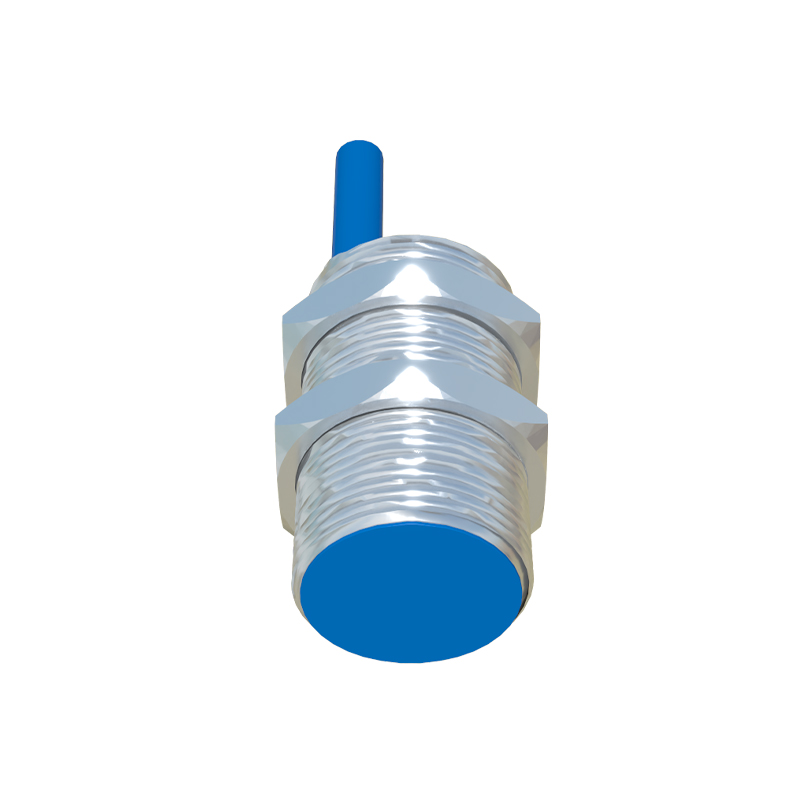
The Challenge of High-Temperature Environments
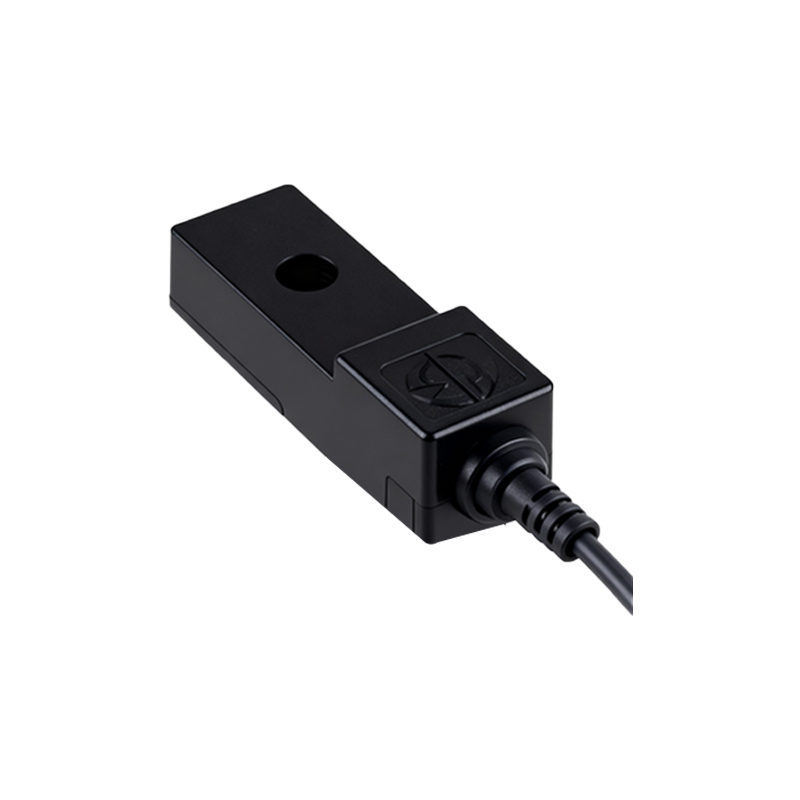
Standard capacitive sensors face significant limitations in high-temperature applications. Prolonged exposure to heat can degrade electronic components, cause solder joints to fail, and lead to the breakdown of insulating materials and housing seals. Thermal expansion can misalign internal parts, affecting sensing accuracy. Furthermore, high ambient temperatures can cause signal drift and unreliable switching. These challenges are prevalent in industries like metal processing, glass manufacturing, semiconductor fabrication, and automotive engine testing, where sensors must operate reliably near ovens, molten materials, or hot machinery.
Key Design Features for High-Temperature Resilience
Engineering a capacitive proximity sensor for high-temperature duty requires specialized design choices. First, the housing is typically constructed from high-grade, thermally stable materials like stainless steel (e.g., 316L) or specialized ceramics that can withstand thermal cycling without cracking or deforming. Internally, high-temperature solders and bonding agents are used. The sensing face often incorporates a ceramic or specially formulated PEEK (Polyether Ether Ketone) dielectric material that maintains its insulating properties under heat. Critical electronic components are selected for their high-temperature ratings, and the circuit design often includes temperature compensation algorithms to minimize signal drift across the operating range.
Material Selection and Construction
The choice of materials is paramount. For the active sensing area, alumina ceramic is a common choice due to its excellent dielectric strength, thermal stability, and resistance to chemical corrosion. The housing must provide both mechanical protection and thermal shielding. Seals are made from fluorocarbon elastomers (like Viton) or perfluoroelastomers, which retain elasticity at elevated temperatures far better than standard nitrile or silicone rubbers. Connection cables are sheathed in high-temperature resistant materials such as Teflon (PTFE) or fiberglass to prevent melting and insulation breakdown, ensuring signal integrity.
Performance Characteristics and Specifications
A true high-temperature capacitive sensor is defined by its specifications. Operating temperature ranges are clearly specified, often from -25°C to well over +150°C, with some models rated for continuous operation at +200°C or higher. The sensing distance, typically a few millimeters to 20mm, is derated at extreme temperatures. Key specs include the temperature coefficient, which indicates how much the sensing distance changes per degree Celsius, and the thermal hysteresis, which defines the sensor's ability to return to its original state after temperature cycles. Protection ratings (e.g., IP67, IP69K) remain crucial for withstanding washdowns, even after thermal exposure.
Critical Application Areas
These specialized sensors find indispensable roles in harsh processes. In the glass industry, they detect the position of molten glass gobs or hot bottles on annealing lehrs. Metal die-casting and forging operations use them to monitor the presence of red-hot metal parts. In plastics processing, they verify the ejection of hot molded parts from presses. Semiconductor manufacturing employs them in high-temperature furnace tubes and diffusion processes. Within automotive test stands, they monitor components on hot engine blocks. Their ability to function where optical sensors would be blinded by steam or dust, and where inductive sensors fail on non-metals, is their key advantage.
Installation and Maintenance Best Practices
Proper installation is critical for longevity. Sensors should be mounted to minimize direct radiant heat exposure where possible, using thermal barriers or heat sinks if specified. Adequate clearance from hot surfaces must be maintained to prevent heat conduction through the mount. Cables should be routed away from extreme heat sources. Regular maintenance involves checking for physical damage to the sensing face and cable insulation, and verifying the sensor's output at operating temperature. It is essential to follow the manufacturer's derating curves for sensing distance versus temperature to ensure reliable detection.
Future Trends and Advancements
The evolution of high-temperature capacitive sensors is driven by material science and electronics. New composite dielectric materials and nano-ceramics promise even greater stability and longer service life. Integration of advanced digital signal processing (DSP) directly