Understanding Proximity Sensor Technology
Proximity sensors are indispensable components in modern industrial automation, providing non-contact detection of metallic and, in some cases, non-metallic objects. These sensors operate on various principles, including inductive, capacitive, ultrasonic, and photoelectric technologies. Inductive sensors are the most common for metal detection, generating an electromagnetic field to sense ferrous and non-ferrous metals. Capacitive sensors can detect a wider range of materials, including liquids and plastics, by measuring changes in capacitance. The choice of technology directly impacts performance, application suitability, and ultimately, the procurement cost. A clear understanding of these operational fundamentals is the first step in evaluating supply options and requesting accurate quotations.
Key Factors Influencing Proximity Sensor Pricing
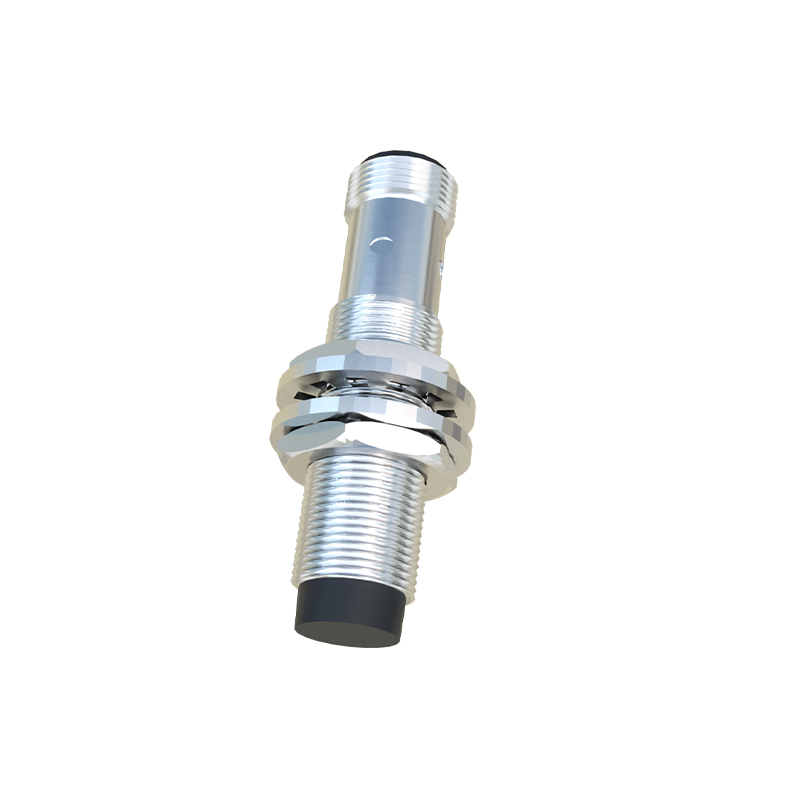
The quotation for proximity sensors is not a one-size-fits-all figure. It is determined by a complex interplay of technical specifications and commercial factors. Technically, sensing range, output type (PNP/NPN, analog, IO-Link), housing material (stainless steel, brass, plastic), and protection rating (IP67, IP69K) are primary cost drivers. A long-range, stainless-steel, IO-Link enabled sensor will command a higher price than a standard-range, plastic-bodied unit. Commercially, order volume is paramount; unit prices decrease significantly with higher quantity purchases. Brand reputation and the associated reliability, warranty, and technical support also contribute to price tiers, with established global brands typically priced above generic or regional suppliers.
Navigating the Global Supply Chain Landscape
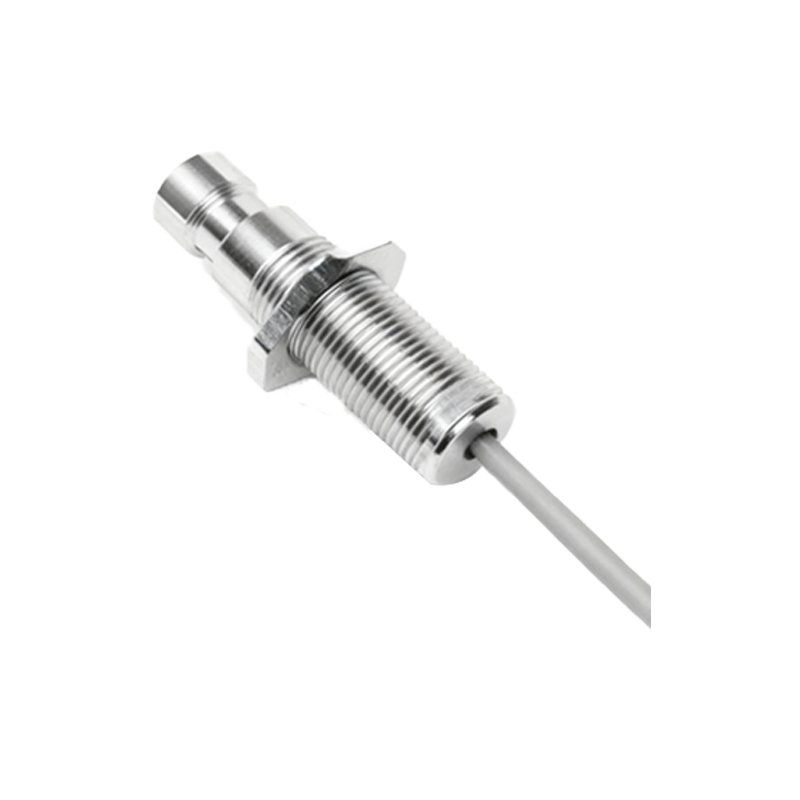
The supply chain for industrial proximity sensors is global and multi-layered. Original Equipment Manufacturers (OEMs) like Siemens, Omron, and Pepperl+Fuchs produce core components and finished sensors. Below them, a network of authorized distributors and wholesalers stock inventory and provide regional sales and support. Furthermore, many system integrators and panel builders procure sensors directly for their projects. When seeking a quotation, identifying the right tier in this chain is crucial. For large, ongoing projects, dealing directly with an OEM or a major distributor may yield the best pricing and support. For smaller, one-off needs or rapid prototyping, local wholesalers or online industrial marketplaces might offer more flexibility and faster delivery, though potentially at a higher unit cost.
Essential Elements of a Comprehensive Quotation Request
To receive a meaningful and comparable quotation, a detailed Request for Quote (RFQ) is essential. A professional RFQ should extend beyond just a part number. It must specify the required quantity, desired delivery schedule, and Incoterms (e.g., FOB, DAP). Technically, it should list the sensor type, sensing distance, target material, supply voltage, output configuration, electrical connection (connector or cable), housing size and thread, and required certifications (e.g., ATEX, UL). Providing the application context, such as environment (washdown, high temperature) and required duty cycle, allows suppliers to recommend the most cost-effective and reliable solution, potentially avoiding over-specification and unnecessary cost.
Strategies for Cost Optimization and Value Engineering
Achieving the optimal balance between cost, performance, and reliability requires strategic thinking. Standardization across a facility on a few sensor models can increase purchase volume and leverage better pricing. Evaluating the total cost of ownership—including price, installation time, maintenance needs, and mean time between failures (MTBF)—is more insightful than focusing solely on the unit price. For non-critical applications, considering reputable alternative or "second-tier" brands can offer substantial savings without significant performance compromise. Furthermore, exploring sensors with smart features like IO-Link can provide diagnostic data that reduces downtime costs, offering long-term value that may justify a higher initial investment.
Building a Sustainable Supplier Relationship
Securing a favorable quotation is not merely a transactional event but the start of a partnership. Reliable suppliers offer consistent quality, on-time delivery, and technical expertise. When evaluating quotes, consider the supplier's lead time consistency, inventory management capabilities, and post-sales support. Establishing a long-term relationship with a key distributor or OEM representative can lead to benefits like priority allocation during component shortages, advanced notification of price changes, and collaborative value engineering sessions for future projects. This strategic partnership ultimately contributes to supply chain resilience and operational efficiency, factors whose value far exceeds minor per-unit price differences.