Introduction to Infrared Proximity Sensor Technology
Infrared proximity sensors are pivotal components in modern automation, robotics, and consumer electronics, utilizing infrared light to detect the presence or absence of objects without physical contact. These sensors operate by emitting an infrared beam and measuring the reflection or interruption to determine proximity. The core principle relies on the modulation of IR light to minimize interference from ambient light sources, ensuring accurate detection. Key components include an IR emitter (typically an LED), a photodetector (such as a phototransistor or photodiode), and signal processing circuitry. The manufacturing of these sensors demands precision in optical alignment, component selection, and calibration to meet diverse application requirements, from simple obstacle avoidance in robots to touchless interfaces in smartphones.
Design and Component Selection
The production process begins with meticulous design and component selection. Engineers must choose IR LEDs with appropriate wavelengths, commonly in the 850nm to 950nm range, to balance detection range and power consumption. Photodetectors are selected based on sensitivity and response time, with silicon-based devices being prevalent due to their compatibility with IR spectra. The housing material, often black epoxy or specialized plastics, is critical to prevent internal light leakage and external interference. Circuit design involves amplifiers, filters, and microcontrollers to process weak signals from the detector. Thermal management is also considered, as excessive heat can degrade IR emission efficiency. Design validation through simulation tools ensures optimal performance before prototyping.
Manufacturing Process Overview
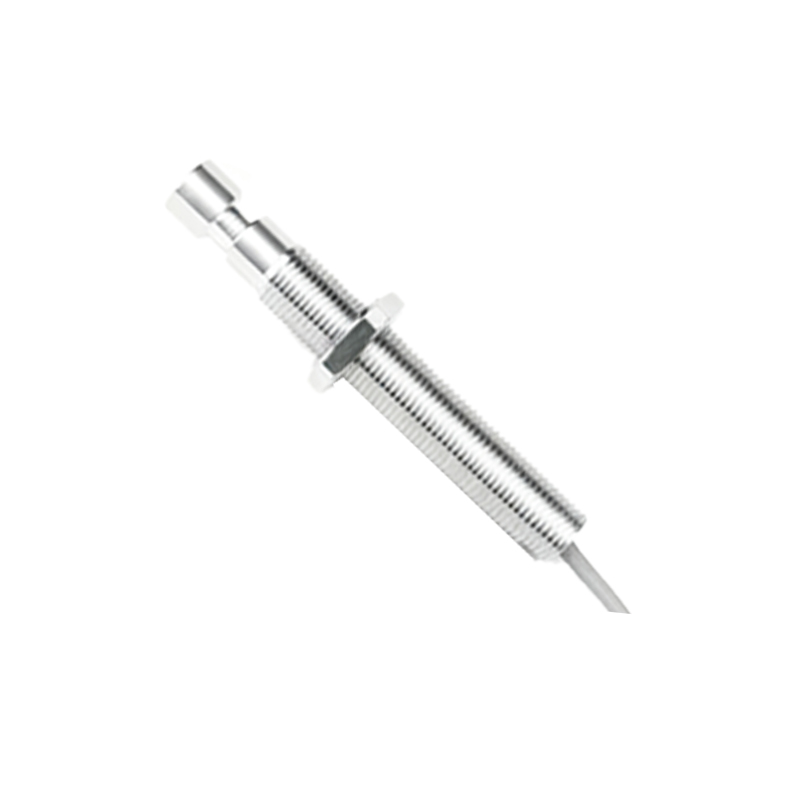
Manufacturing infrared proximity sensors involves a multi-stage process that integrates electronics assembly, optical alignment, and testing. It typically starts with PCB fabrication, where the circuit layout is etched to accommodate components. Surface-mount technology (SMT) is widely used for placing IR LEDs, photodetectors, resistors, and ICs onto the board, followed by reflow soldering to secure connections. Optical alignment is a delicate step: the IR emitter and detector must be precisely positioned to achieve the desired sensing angle and range, often using automated machinery with vision systems. Encapsulation follows, where the assembly is housed in a protective casing with an IR-transmissive window. Finally, calibration adjusts sensitivity thresholds to account for component tolerances.
Quality Control and Testing Procedures
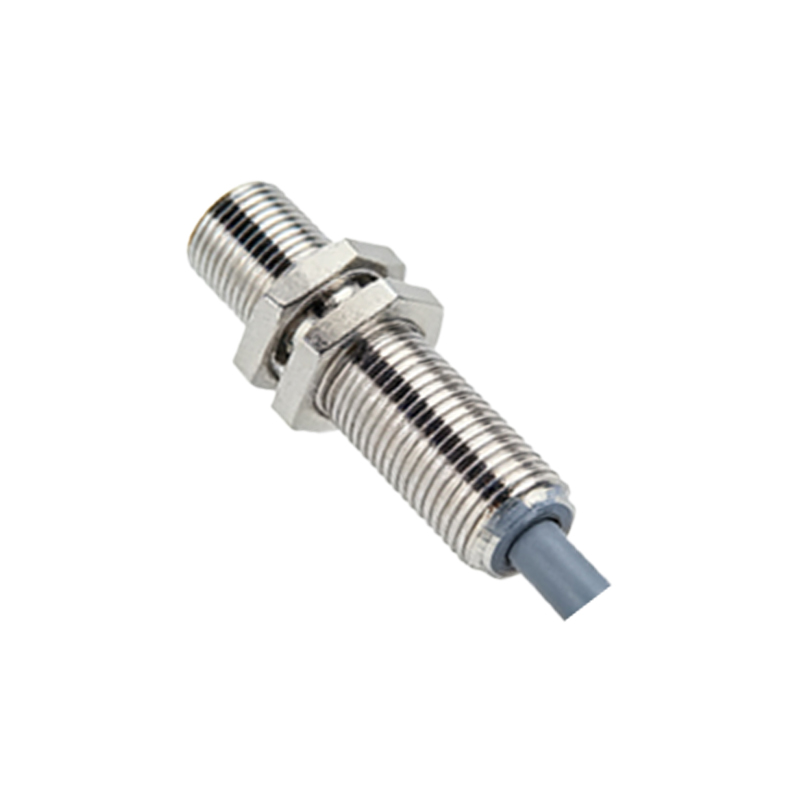
Rigorous quality control is essential to ensure sensor reliability. Testing begins at the component level, verifying IR LED output intensity and photodetector responsivity. During assembly, automated optical inspection (AOI) checks for soldering defects and misalignments. Functional testing involves exposing the sensor to standardized targets at varying distances to measure detection accuracy, response time, and repeatability. Environmental tests assess performance under temperature extremes, humidity, and vibration to simulate real-world conditions. Data logging and statistical process control (SPC) help identify production trends, minimizing defects. Compliance with industry standards, such as IEC or ISO, is often required for commercial and industrial applications.
Applications and Market Trends
Infrared proximity sensors are ubiquitous across industries. In consumer electronics, they enable touchless gestures and screen blanking in smartphones and tablets. Automotive systems use them for occupancy detection and obstacle avoidance. Industrial automation relies on sensors for conveyor belt monitoring and robotic navigation. Emerging trends include miniaturization for wearable devices, integration with IoT for smart home systems, and enhanced algorithms for gesture recognition. The demand for energy-efficient and high-precision sensors is driving innovations in low-power designs and multi-sensor fusion. Manufacturers must adapt to these trends by investing in advanced fabrication techniques and flexible production lines.
Challenges and Future Directions
Producing infrared proximity sensors presents several challenges. Ambient light interference remains a key issue, necessitating sophisticated filtering techniques. Cost reduction while maintaining quality is critical for mass-market adoption, especially in competitive sectors like consumer electronics. Supply chain volatility for semiconductors can disrupt production schedules. Looking ahead, the industry is moving toward smarter sensors with embedded AI for adaptive sensing, as well as eco-friendly materials to reduce environmental impact. Research into new IR materials and wavelengths may expand detection capabilities. Collaboration between engineers and manufacturers will be vital to overcome these hurdles and drive the next generation of proximity sensing technology.