Introduction to Proximity Sensors
Proximity sensors are fundamental components in modern industrial automation, serving as the critical "eyes" of machinery. These non-contact devices detect the presence or absence of an object within a specified sensing range without any physical contact. This capability makes them indispensable in harsh, dirty, or high-speed environments where mechanical limit switches would fail or wear out prematurely. The core principle involves generating an electromagnetic field or a beam of radiation and monitoring for changes caused by a target object. Their reliability, long operational life, and fast response times have cemented their role across manufacturing, packaging, material handling, and automotive assembly lines. From counting bottles on a conveyor to ensuring a robotic arm is in the correct position, proximity switches provide the essential feedback for precise and safe control.
Key Operating Principles and Types
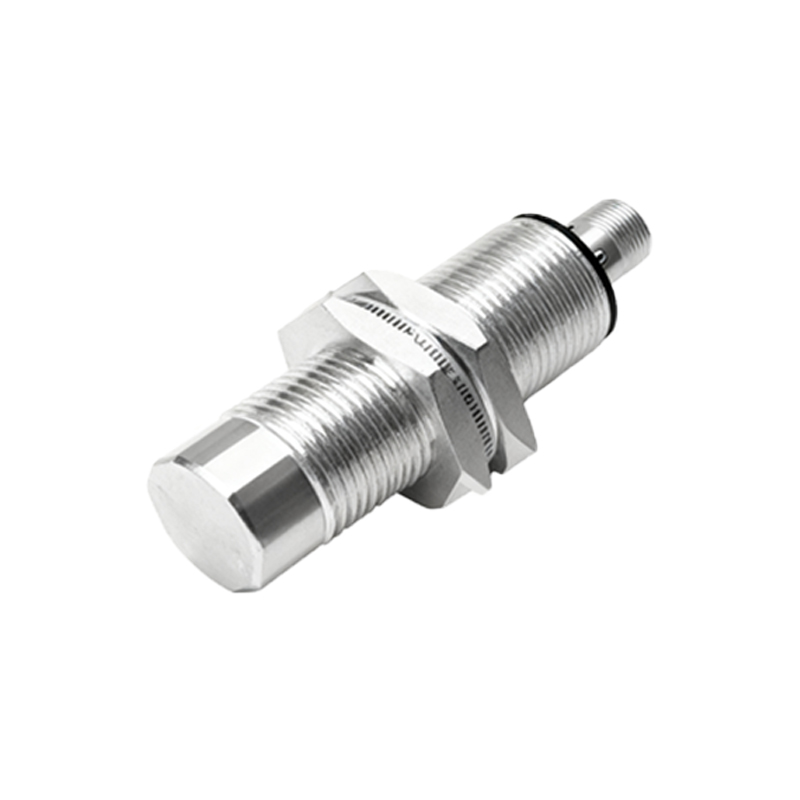
Proximity sensors are primarily categorized by their underlying technology, each suited for different materials and applications. Inductive proximity sensors are the most common type, generating an oscillating electromagnetic field. When a metallic object enters this field, it induces eddy currents, causing a change in oscillation amplitude that triggers the sensor's output. They are ideal for detecting ferrous and non-ferrous metals. Capacitive proximity sensors, on the other hand, can detect both metallic and non-metallic materials like plastic, wood, or liquids. They function by measuring changes in capacitance between the sensor's face and the target object. Ultrasonic sensors use sound waves, calculating distance based on the time-of-flight of an emitted ultrasonic pulse and its reflected echo, making them excellent for level detection or presence sensing of varied materials. Finally, photoelectric sensors utilize light beams (visible, infrared, or laser) and are categorized into through-beam, retro-reflective, and diffuse-reflective models for long-range or precise detection.
Critical Selection Criteria for Engineers
Selecting the appropriate proximity switch requires a careful analysis of several technical parameters. The sensing range, or nominal range (Sn), is the first consideration, defining the standard operating distance for a standard target. Engineers must account for factors like target material, size, and shape, as these can reduce the effective sensing distance. The sensor's housing material and ingress protection (IP) rating are vital for environmental durability, ensuring resistance to dust, coolants, or high-pressure washdowns. Output configuration is another key decision: PNP (sourcing) or NPN (sinking) transistor outputs, or relay contacts, must match the input requirements of the connected programmable logic controller (PLC) or relay. Response frequency, indicating how many sensing operations per second the device can perform, is crucial for high-speed applications. Additionally, factors like built-in diagnostics, temperature tolerance, and electrical noise immunity must be evaluated for robust system integration.
Installation and Wiring Best Practices
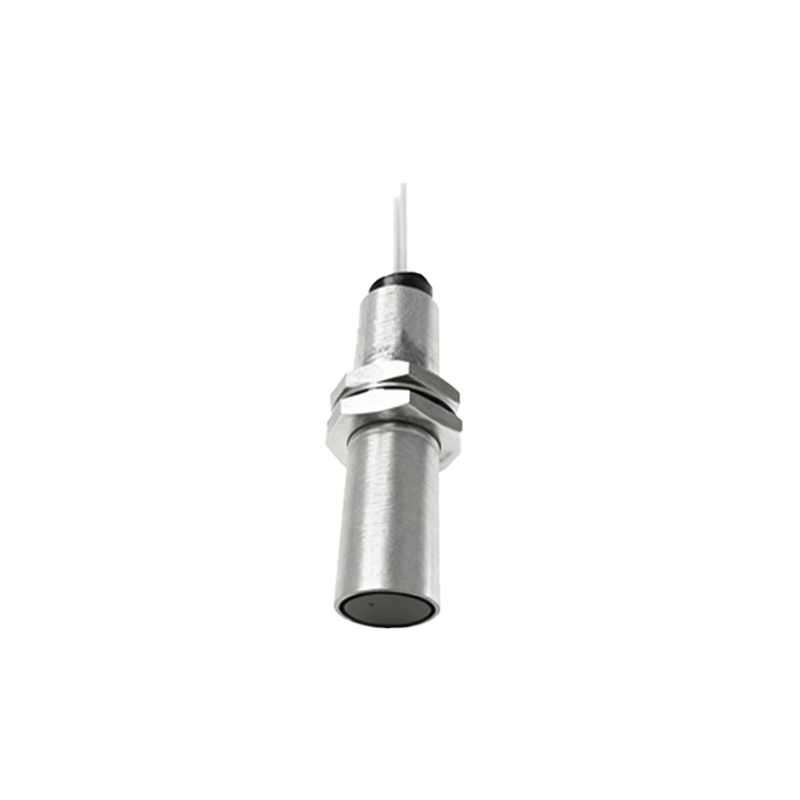
Proper installation is paramount to achieving reliable sensor performance and avoiding false triggers. A primary rule is to maintain adequate clearance around the sensor's sensing face. Metallic surroundings or adjacent sensors can interfere with the electromagnetic field, necessitating a non-metallic zone or specific lateral and flush-mounting distances as specified in the datasheet. Correct alignment with the target is essential, especially for ultrasonic and photoelectric types. Wiring must be performed meticulously, following the manufacturer's diagram for power supply, load, and ground connections. Shielded cables are recommended in electrically noisy environments to prevent electromagnetic interference (EMI) from affecting the signal. For DC sensors, ensuring correct polarity is critical to prevent damage. Finally, after installation, fine-tuning the sensitivity potentiometer (if available) and verifying the sensing distance under real operating conditions will optimize performance.
Common Applications and Troubleshooting Tips
The versatility of proximity sensors is demonstrated in countless applications. They are widely used for position verification (e.g., cylinder end-position detection), object counting on conveyors, jam detection in machinery, and as safety interlock switches. In automated storage and retrieval systems, they provide precise pallet positioning. A common troubleshooting issue is failure to detect an object. This can stem from an incorrect sensing range, an unsuitable target material, sensor misalignment, or a dirty sensing face. Intermittent operation often points to loose wiring connections, voltage fluctuations, or electrical interference. If a sensor is constantly "on," it may be due to a metallic object remaining in the sensing field, a faulty output transistor, or incorrect wiring. Systematic checks of power supply voltage, output signal with a multimeter, and the physical environment are the first steps in effective diagnostics.
The Future of Sensing Technology
The evolution of proximity sensors is closely tied to Industry 4.0 and the Industrial Internet of Things (IIoT). Modern sensors are becoming increasingly intelligent, featuring integrated IO-Link communication. This digital interface allows