Introduction to Proximity Sensing Technology
Proximity switches and door contact sensors are fundamental components in modern electrical and automation systems. These devices serve as the critical interface between the physical state of a door, gate, or moving part and the control logic of a system. A proximity switch detects the presence or absence of an object without physical contact, typically using electromagnetic fields, light, or sound. In contrast, a traditional door contact sensor is a simple electromechanical device that changes state based on physical contact, such as a reed switch activated by a magnet. The evolution from purely mechanical contacts to non-contact sensing has revolutionized safety, reliability, and maintenance in industrial and commercial applications. Understanding their principles, types, and applications is essential for any electrical engineer designing control panels, security systems, or automated processes.
Operating Principles and Key Technologies
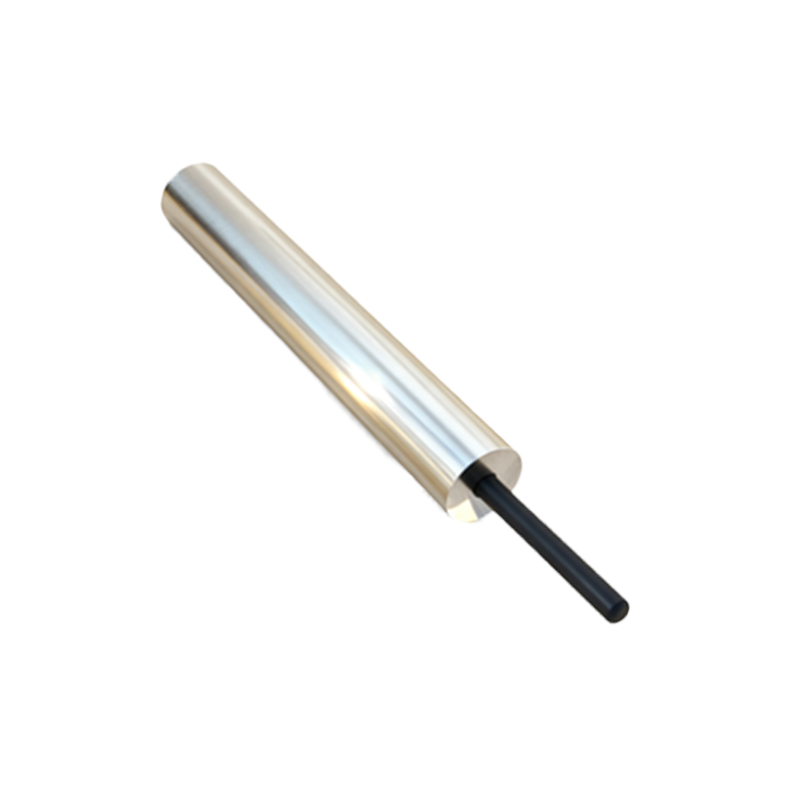
The core function of these sensors is to provide a reliable digital signal indicating an "open" or "closed" status. Magnetic reed switches, the most common type of door contact sensor, consist of two ferromagnetic reeds sealed in a glass tube. When a magnet mounted on the moving door comes into close proximity, the reeds magnetize and attract each other, closing the electrical circuit. For non-contact detection, inductive proximity switches are prevalent for detecting metallic objects. They generate an oscillating electromagnetic field. When a metal target enters this field, it induces eddy currents, which dampen the oscillation and trigger a solid-state switch. Capacitive proximity sensors can detect both metallic and non-metallic objects by measuring changes in capacitance. Photoelectric sensors use a light beam (visible or infrared) and are excellent for long-range detection or sensing non-metallic materials. The choice of technology depends entirely on the application requirements, including target material, sensing distance, environmental conditions, and required switching frequency.
Critical Selection Criteria for Engineers
Selecting the right sensor is a multi-faceted decision. First, define the sensing object: Is it ferrous metal, non-ferrous metal, plastic, wood, or a liquid? This determines whether an inductive, capacitive, or photoelectric sensor is appropriate. Second, the sensing distance, or "switching distance," must be specified with a safety margin to account for mechanical tolerances and alignment shifts. Environmental factors are paramount. Consider the IP (Ingress Protection) rating for dust and water resistance, the operating temperature range, and potential exposure to chemicals, oils, or welding spatter. For door contacts, the mechanical durability and the gap tolerance between the magnet and the reed switch are critical. Electrical characteristics are equally important: the output type (PNP/NPN, NO/NC), supply voltage (e.g., 10-30V DC, 90-250V AC), and current rating must match the PLC or controller input module. Finally, consider the housing material (e.g., nickel-plated brass, stainless steel, PBT plastic) and the connection method (pre-wired cable, quick-disconnect).
Installation, Wiring, and Configuration Best Practices
Proper installation is crucial for reliable operation. For proximity switches, ensure the sensor is mounted securely to avoid vibration, and respect the specified mounting distances. Inductive sensors, for instance, require non-ferrous mounting brackets and sufficient clearance from other metal objects to prevent false triggering. Correct alignment with the target is essential. For door contact sensors, the magnet and reed switch must be aligned within the specified gap and parallel to each other. Wiring must follow electrical codes and the manufacturer's diagram. Shielded cables are often recommended for long runs in electrically noisy environments to prevent electromagnetic interference (EMI) from causing erratic signals. Always implement a debouncing filter in the PLC program or hardware to ignore brief, spurious state changes caused by vibration or bouncing contacts. For critical safety applications, such as machine guarding, use positively driven contacts and redundant, monitored circuits to achieve the required safety integrity level (SIL or PL).
Common Applications Across Industries
The applications for these sensors are vast and varied. In industrial automation, inductive proximity switches are ubiquitous on production lines for counting, positioning, and end-of-travel detection on cylinders and slides. Door contact sensors secure control cabinet doors, ensuring power is disconnected before access is granted (interlock safety). In the automotive industry, they monitor hood, trunk, and door positions. In material handling and logistics, photoelectric sensors detect packages on conveyors, while door contacts secure roller shutter doors on loading docks. Building automation heavily relies on magnetic contacts for security systems on windows and doors, and for monitoring fire door status. In elevator control, sensors confirm door closure before movement is permitted. Each application imposes unique demands, pushing engineers to select sensors with the right combination of robustness