Introduction to Proximity Sensing Technology
In the automated world of modern manufacturing and machinery, proximity sensors are indispensable components. These non-contact devices detect the presence or absence of an object within a specific range without physical contact. Small proximity sensors, in particular, have become critical due to the miniaturization trend across industries like consumer electronics, automotive assembly, and compact robotics. They offer reliable detection in tight spaces where traditional sensors cannot fit, ensuring precision and efficiency in countless applications. The technology primarily includes inductive, capacitive, ultrasonic, and photoelectric types, each suited for different materials and environmental conditions. The demand for these compact, high-performance sensors continues to grow, driven by the push for smarter, more connected, and space-efficient industrial systems.
The Role of Specialized Suppliers in the Market
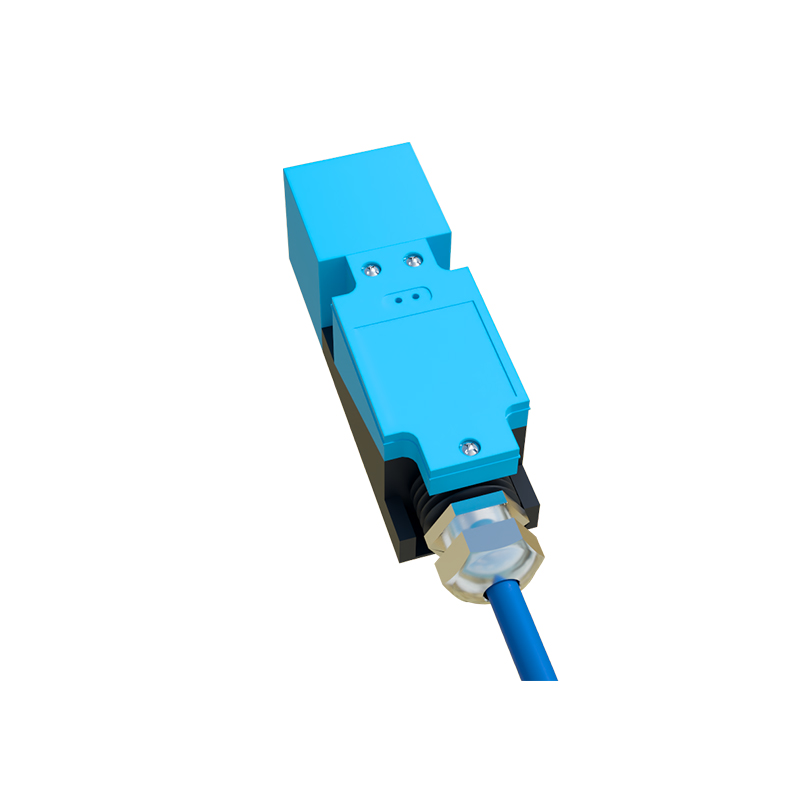
Small proximity sensor suppliers are more than just component vendors; they are specialized partners in innovation. These suppliers focus on designing, manufacturing, and distributing sensors that meet stringent requirements for size, sensitivity, and durability. Leading suppliers invest heavily in research and development to produce sensors with longer sensing ranges, higher switching frequencies, and enhanced resistance to environmental factors like dust, moisture, and temperature extremes. They work closely with OEMs (Original Equipment Manufacturers) to provide customized solutions, offering technical support from the prototyping phase through to full-scale production. This collaborative relationship is vital for developing application-specific sensors that solve unique engineering challenges in fields such as medical device manufacturing or semiconductor fabrication.
Key Considerations When Selecting a Supplier
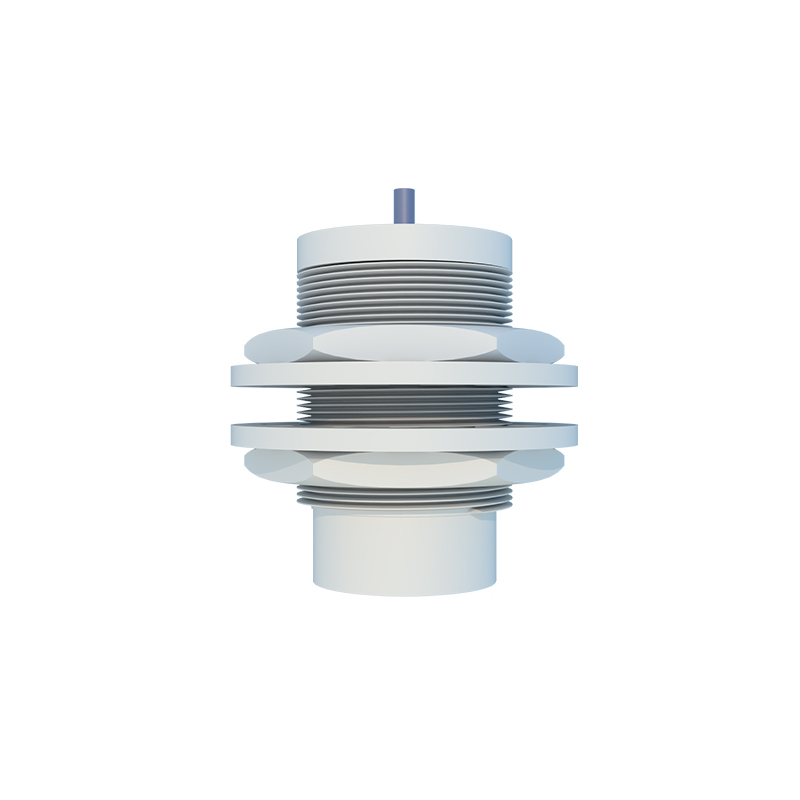
Choosing the right supplier for small proximity sensors is a strategic decision that impacts product quality and operational reliability. Several critical factors must be evaluated. First, the supplier's technical expertise and product portfolio are paramount. A reputable supplier should offer a wide range of sensor types and sizes, with detailed specifications for each. Second, manufacturing capabilities and quality certifications, such as ISO 9001, are non-negotiable for ensuring consistent product quality. Third, supply chain stability and logistical efficiency are crucial to prevent production delays. Companies must assess a supplier's ability to deliver on time and scale production up or down as needed. Finally, post-sales support, including comprehensive documentation, warranty policies, and accessible technical assistance, is essential for long-term operational success and maintenance.
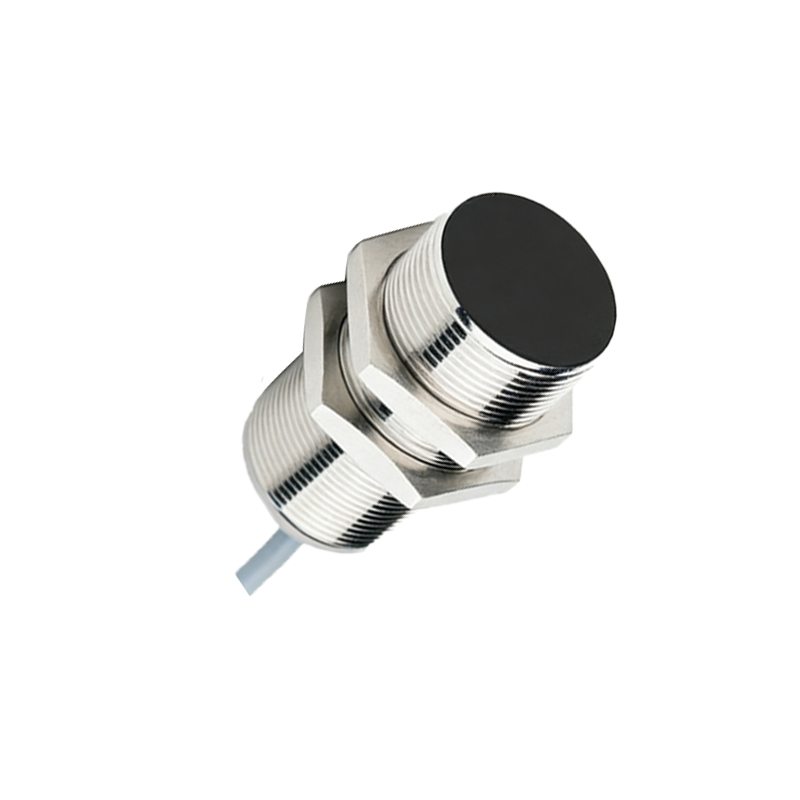
Innovations and Technological Advancements
The landscape for small proximity sensors is constantly evolving, driven by technological advancements from leading suppliers. A significant trend is the integration of IO-Link communication, which transforms a simple sensor into a smart device capable of providing detailed diagnostic data and enabling parameter setting on the fly. This facilitates predictive maintenance and seamless integration into Industry 4.0 frameworks. Another innovation is the development of sensors with incredibly small form factors, some as tiny as a few millimeters, without compromising performance. Furthermore, advancements in materials and housing designs have led to sensors with exceptional resistance to welding spatter, harsh chemicals, and extreme pressures, expanding their usability in the most demanding industrial environments. These innovations underscore the suppliers' role in pushing the boundaries of what is possible with sensing technology.
Global Market Dynamics and Future Outlook
The global market for small proximity sensors is highly competitive and geographically diverse. Suppliers are concentrated in regions with strong manufacturing bases, such as Europe, North America, and Asia-Pacific. The Asia-Pacific region, led by Japan, China, and South Korea, is both a major manufacturing hub and a rapidly growing consumer of these sensors. Market dynamics are influenced by the rising adoption of industrial automation, the growth of the electric vehicle sector, and the expansion of consumer electronics. Looking ahead, the future points toward even greater miniaturization, enhanced energy efficiency, and the incorporation of artificial intelligence for smarter object discrimination. Suppliers who can anticipate these trends and invest in next-generation technologies will be best positioned to lead the market, helping industries achieve new levels of automation, safety, and productivity.