Introduction to Hand Proximity Sensors
Hand proximity sensors represent a significant advancement in non-contact control technology, widely adopted across electrical and automation industries. These devices detect the presence of a human hand within a specific range without any physical contact, triggering a predefined electrical output. Operating primarily on principles such as capacitive sensing, infrared, or ultrasonic waves, they offer a reliable interface between users and automated systems. The core functionality hinges on detecting changes in an electromagnetic field or reflected signals when a hand enters the sensing zone. This technology has moved beyond novelty to become a cornerstone in designing hygienic, efficient, and user-friendly electrical environments, reducing wear and tear on mechanical components and minimizing the spread of pathogens.
Core Operating Principles and Technologies
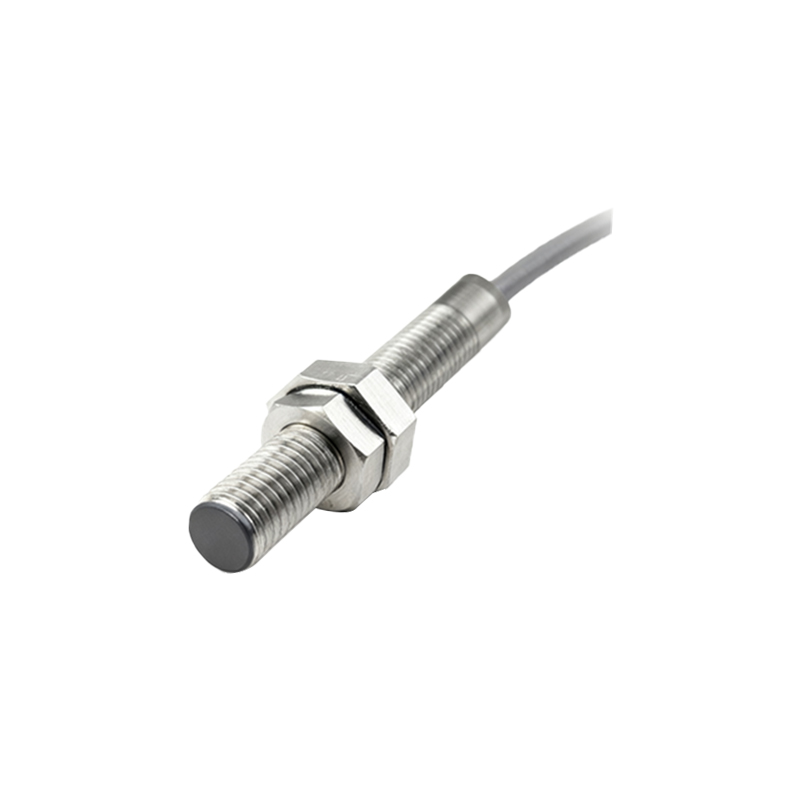
The effectiveness of hand proximity sensors is rooted in their underlying technology. Capacitive sensors are prevalent, functioning by creating an electrostatic field. The introduction of a hand, a conductive object, alters the capacitance, which the sensor circuitry detects. Infrared sensors, another common type, emit IR light and measure the reflection; a hand within range reflects light back to a receiver, signaling presence. Ultrasonic sensors use sound waves above human hearing, calculating distance based on the time-of-flight of reflected waves. Each technology has its optimal application: capacitive for solid surfaces like countertops, infrared for precise detection, and ultrasonic for varying distances. Modern sensors often integrate microcontrollers for sensitivity adjustment, delay timing, and output signal conditioning, ensuring compatibility with PLCs, relays, or direct digital inputs.
Key Applications in Hygiene-Critical Environments

The most prominent application of hand proximity sensors is in promoting hygiene, a concern paramount in public health and specific industries. In commercial and public restrooms, they automate faucets, soap dispensers, hand dryers, and flush valves, eliminating the need to touch potentially contaminated surfaces. In healthcare facilities, such as hospitals and labs, they control doors, sanitizer dispensers, and medical equipment, crucial for infection control. The food processing and pharmaceutical industries leverage these sensors for hands-free operation of machinery, wash stations, and packaging lines, adhering to strict sanitary protocols. This touch-free interaction not only safeguards health but also enhances the public perception of cleanliness and modern infrastructure.
Integration into Building Automation and Energy Systems
Beyond hygiene, these sensors are integral to smart building automation and energy conservation strategies. They are employed in lighting control systems, where lights in a room or corridor activate upon detecting hand or body proximity, reducing energy waste. In security systems, they can act as non-intrusive triggers for alarms or access controls. For industrial automation on assembly lines, sensors can initiate or halt processes when a worker's hand is detected in a specific zone, improving safety and workflow efficiency. Integration with Building Management Systems (BMS) allows for centralized monitoring and data logging, enabling analysis of usage patterns for further optimization of energy and resource consumption.
Design Considerations and Installation Best Practices
Successful implementation requires careful design and installation. Engineers must first define the sensing range, response time, and output type (e.g., NPN/PNP, relay, analog) needed for the application. Environmental factors are critical: capacitive sensors can be affected by humidity or conductive materials nearby, while optical sensors may struggle with dirty lenses or ambient light interference. The sensor must be mounted securely, with its sensing field correctly oriented to avoid false triggers from unintended movement or background objects. Proper shielding and grounding are essential for electrical noise immunity, especially in industrial settings. Calibration during installation ensures the sensor ignores minor disturbances while reliably detecting a targeted hand gesture.
Maintenance, Challenges, and Future Trends
While highly reliable, hand proximity sensors require periodic maintenance. Lenses on optical sensors need cleaning; accumulation of dirt or grease can diminish performance. Electrical connections should be checked for corrosion or looseness. A common challenge is false triggering, which can often be mitigated by adjusting sensitivity or re-positioning the unit. Looking ahead, the future points toward increased intelligence and integration. Sensors with embedded IoT capabilities can transmit operational status and usage data for predictive maintenance. Advancements in machine vision and AI may enable gesture recognition, allowing for more complex control schemes. Furthermore, the development of low-power, energy-harvesting sensors will facilitate their use in wireless and battery-operated applications, expanding their reach in the evolving landscape of electrical engineering and smart infrastructure.