Understanding Proximity Sensors in Industrial Contexts
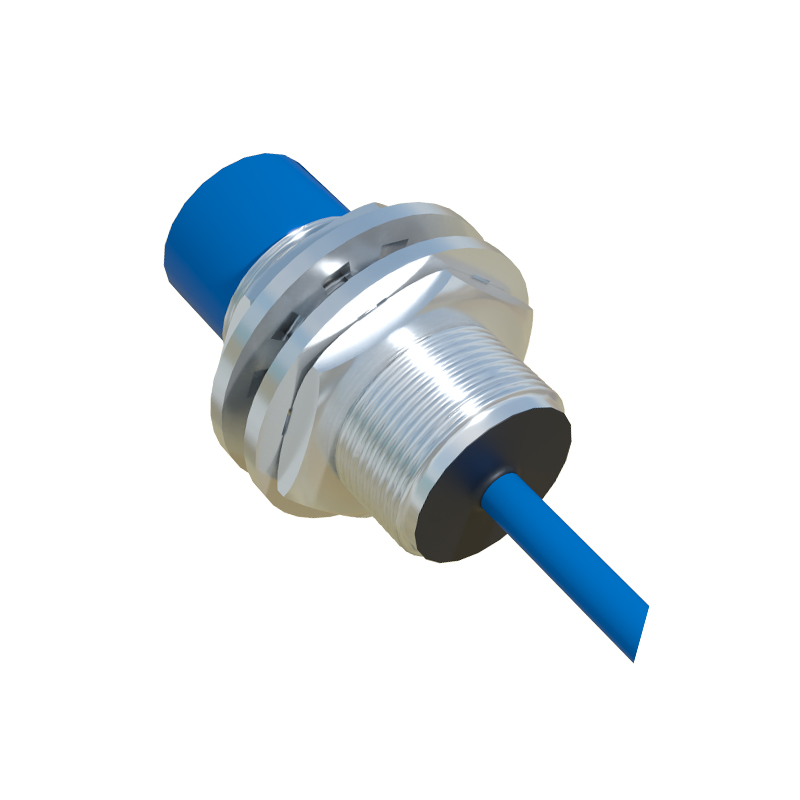
Proximity sensors are pivotal components in modern industrial automation, designed to detect the presence or absence of objects without physical contact. These sensors operate on various principles, including inductive, capacitive, ultrasonic, and photoelectric technologies. Inductive sensors are ideal for metallic objects, while capacitive types can sense both metallic and non-metallic materials. Ultrasonic sensors use sound waves for detection, and photoelectric sensors rely on light beams. Each type offers distinct advantages in terms of range, accuracy, and environmental resilience, making them suitable for diverse applications such as assembly lines, robotics, and safety systems. Their non-contact nature ensures minimal wear and tear, enhancing system longevity and reliability.
The Role of Camera Systems in Automation
Camera systems, including machine vision cameras, have revolutionized industrial processes by providing visual data for inspection, guidance, and monitoring. These systems capture high-resolution images or videos, which are processed by software algorithms to extract meaningful information. Common applications include quality control, where cameras identify defects in products, and robotic guidance, enabling precise positioning and manipulation. Advanced cameras can operate in challenging conditions, such as low light or high-speed environments, and are often integrated with artificial intelligence (AI) for real-time decision-making. The synergy between cameras and other sensors amplifies automation capabilities, leading to improved efficiency and reduced human intervention.
Synergy Between Proximity Sensors and Cameras
Integrating proximity sensors with camera systems creates a powerful combination that enhances automation performance. Proximity sensors can act as triggers for cameras, activating them only when an object is detected within a specified range. This approach conserves processing power and storage by preventing unnecessary image capture. For instance, in a packaging line, a proximity sensor can detect a product's arrival and signal the camera to capture images for barcode reading or defect inspection. Conversely, cameras can provide contextual data to refine sensor operations, such as adjusting detection thresholds based on object size or color. This bidirectional communication ensures seamless coordination, reducing false triggers and improving system accuracy.
Technical Implementation and Wiring Considerations
The integration process involves careful planning of hardware and software components. Typically, proximity sensors are connected to a programmable logic controller (PLC) or a microcontroller, which processes the sensor output and sends commands to the camera system. Wiring must adhere to industrial standards to prevent interference and ensure safety. For example, shielded cables are recommended to minimize electromagnetic interference (EMI) from nearby machinery. Power supply requirements vary; sensors often operate on low-voltage DC, while cameras may need higher voltages. Interface protocols like I/O (Input/Output) links, Ethernet, or serial communication (e.g., RS-232) facilitate data exchange. Software configuration includes setting up triggering delays, sensitivity levels, and image processing parameters to align with application needs.
Applications in Smart Manufacturing and Robotics
This integration finds extensive use in smart manufacturing and robotics. In automated assembly, proximity sensors detect components on a conveyor, prompting cameras to verify orientation before robotic arms engage. In safety monitoring, sensors can identify personnel entering hazardous zones, triggering cameras to record footage for analysis. Autonomous guided vehicles (AGVs) utilize both sensors and cameras for navigation and obstacle avoidance, enhancing mobility in dynamic environments. Additionally, in quality assurance, the combination allows for multi-sensor inspection, where proximity data complements visual checks to ensure product integrity. These applications demonstrate how merging sensing technologies drives innovation, leading to more adaptive and intelligent industrial systems.
Challenges and Best Practices for Integration
Despite its benefits, integrating proximity sensors with cameras presents challenges. Environmental factors like dust, moisture, or vibration can affect sensor accuracy and image quality. Selecting robust, IP-rated enclosures helps mitigate these issues. Calibration is critical to ensure sensors and cameras are synchronized; regular maintenance prevents drift over time. Latency in signal processing can cause timing mismatches, so using high-speed controllers and optimized software is essential. Best practices include conducting thorough testing in simulated environments, documenting wiring diagrams, and training personnel on troubleshooting. Adhering to industry standards, such as IEC 61131 for automation, ensures compatibility and reliability across different components.
Future Trends and Innovations
The future of proximity sensor-camera integration is shaped by advancements in IoT (Internet of Things) and AI. Smart sensors with embedded processing capabilities can pre-filter data before sending it to cameras, reducing bandwidth usage. Wireless connectivity, such as 5G, enables flexible deployment in large-scale facilities. AI algorithms enhance decision-making by analyzing combined sensor and visual data in real-time, predicting failures or optimizing processes. Miniaturization trends allow for compact designs, suitable for space-constrained applications. As industries