Understanding 24V Proximity Sensor Fundamentals
A 24V proximity sensor is a non-contact electronic device designed to detect the presence or absence of an object within its sensing range. Operating on a 24V DC power supply, which is the global industrial standard for control circuits, these sensors offer reliability and safety in harsh environments. The core principle involves generating an electromagnetic field or a beam of light; when a target object disrupts this field, the sensor's internal circuitry triggers a switching signal. This signal is then used to control machinery, count items, or signal positioning in automated systems. The 24V rating ensures compatibility with Programmable Logic Controllers (PLCs), industrial PCs, and other standard control equipment, providing a robust interface that is less susceptible to electrical noise compared to lower voltage systems.
The Imperative for Customization in Industrial Settings
While standard off-the-shelf proximity sensors serve many purposes, unique industrial challenges often necessitate customization. A one-size-fits-all approach can lead to inefficiencies, false triggers, or complete system failure. Customization becomes critical when dealing with unusual target materials, extreme environmental conditions, space constraints, or specific performance requirements. For instance, detecting a transparent plastic bottle on a high-speed filling line requires a different sensor technology than sensing a metal gear tooth in a lubricated gearbox. Custom 24V sensors are engineered from the ground up or modified from existing platforms to deliver precise, reliable operation where standard units fall short, ultimately optimizing productivity and reducing downtime.
Key Parameters for Custom 24V Sensor Design
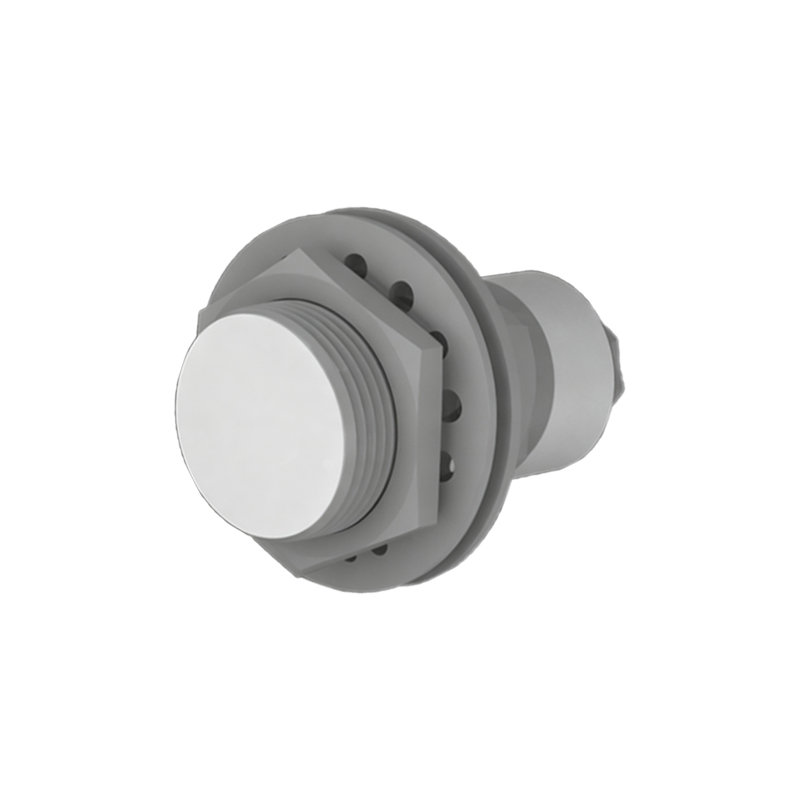
Specifying a custom proximity sensor requires a detailed analysis of several key parameters. First, the sensing technology must be chosen: inductive sensors for metals, capacitive for non-metals and liquids, or photoelectric for long-range detection. The required sensing distance, or range, must be defined, often needing adjustment from standard specifications. The housing material and ingress protection (IP) rating are vital for durability against factors like washdowns, chemicals, or metal shavings. Electrical output type (PNP/NPN, NO/NC) and connection style (cable, connector) must match the control system. Furthermore, special requirements such as extended temperature tolerance (-40°C to 100°C+), enhanced resistance to welding spatter, or specific form factors (threaded barrel, rectangular block) are common customization points.
Material and Environmental Considerations
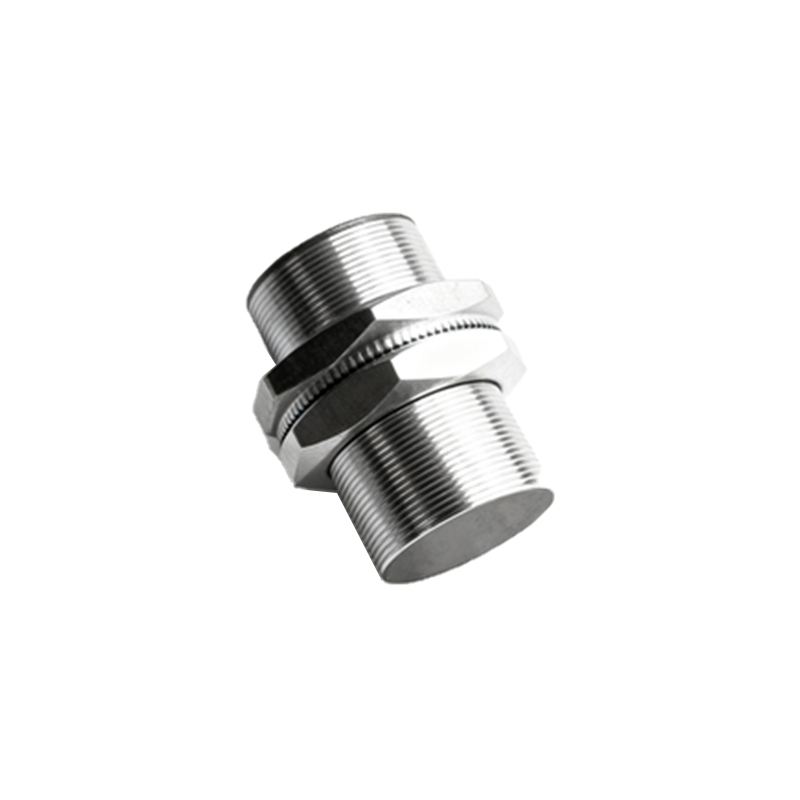
The operating environment dictates critical design choices for a custom 24V sensor. In food and beverage or pharmaceutical applications, sensors require stainless steel housings (often 316L), FDA-approved seals, and designs that prevent bacterial growth, complying with strict hygiene standards. For heavy industries like mining or steel production, sensors need incredibly rugged housings from materials like nickel-plated brass or specialized polymers, with extremely high IP69K ratings for dust and high-pressure water resistance. In environments with strong electromagnetic interference (EMI) from motors and welders, custom shielding and filtered circuitry are integrated to ensure signal integrity. These material and protection customizations ensure the sensor's longevity and reliability under specific stresses.
Integration with Modern Industrial Systems
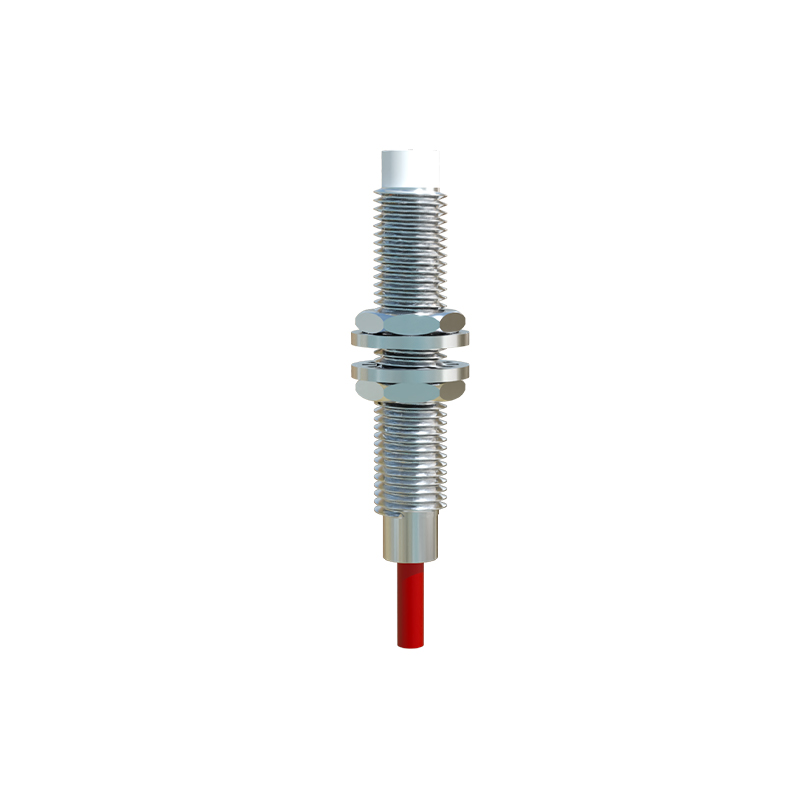
Today's custom 24V proximity sensors are not isolated components but integral parts of smart Industry 4.0 systems. Customization can include embedding IO-Link communication protocol, which transforms a simple switch into an intelligent device. An IO-Link enabled custom sensor can transmit detailed diagnostic data—such as operating temperature, signal strength, and remaining lifespan—to the control system for predictive maintenance. Other integration features include custom LED indicators for specific status alerts, short-circuit and overload protection built into the electronics, and synchronization capabilities for multiple sensors in dense arrangements. This level of integration, tailored to the specific network architecture, maximizes system intelligence and operational visibility.
The Collaborative Development Process
Successfully developing a custom 24V proximity sensor is a collaborative journey between the OEM or end-user and the sensor manufacturer. The process typically begins with a detailed application audit, where engineers analyze the exact use case. Prototypes are then developed and tested in real-world or simulated conditions. This phase is iterative, refining parameters like hysteresis, repeat accuracy, and response time. A reputable manufacturer will provide full technical support throughout, from initial concept to final validation and production. This partnership ensures the final product is not just a modified component but a fully optimized solution that solves a precise industrial automation challenge, delivering value through enhanced efficiency and reliability.