Introduction to Horseshoe Proximity Sensors
Horseshoe proximity sensors, named for their distinctive U-shaped or horseshoe-like inductive sensing head, represent a specialized category within the non-contact sensing technology family. These sensors are engineered to detect the presence or absence of metallic objects, primarily ferrous metals, by generating an electromagnetic field. The unique geometry of the sensing head creates a defined detection zone, allowing objects to pass through the opening, which makes them exceptionally suitable for specific automation and control tasks where traditional barrel-style sensors are impractical.
Core Operating Principle
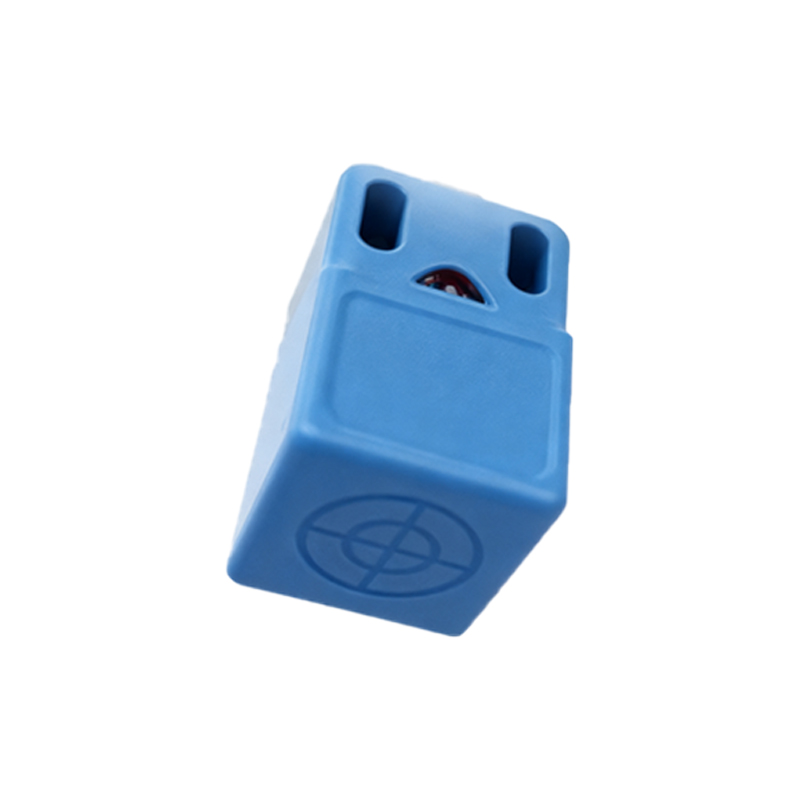
At the heart of a horseshoe proximity sensor lies the principle of electromagnetic induction. The sensor contains an oscillator circuit that generates a high-frequency alternating magnetic field within the legs of the horseshoe core. When a ferrous metal target enters this magnetic field, eddy currents are induced on the surface of the target. This action dampens the oscillation amplitude. An evaluation circuit within the sensor monitors this change. Once the damping exceeds a predefined threshold, the sensor's output state switches, signaling the detection of an object. The sensing distance is relatively short, typically a few millimeters, and is precisely defined by the gap between the two legs of the horseshoe.
Key Advantages and Design Benefits
The primary advantage of the horseshoe design is its ability to create a highly localized and directional sensing window. This allows for the detection of small metallic parts, such as screws, nuts, washers, or the teeth of a gear, as they pass through the gap. It enables side-sensing without requiring the target to approach the sensor face axially. This form factor provides excellent mechanical protection for the sensing coil and core, making it robust in harsh industrial environments with potential physical impacts or debris. Furthermore, its design often allows for easier mounting and alignment in space-constrained applications compared to other sensor types.
Common Industrial Applications
Horseshoe proximity sensors find widespread use across various industries. A classic application is rotational speed monitoring and zero-speed detection on gears, sprockets, or bolt heads on a rotating shaft. They are indispensable in assembly lines for verifying the presence of small metal components. In the packaging industry, they detect metallic seals or clips on production lines. They are also employed in security systems for door position monitoring and in automotive manufacturing for precise part verification during engine or transmission assembly. Their reliability in dirty or oily conditions makes them a staple in heavy machinery and metalworking.
Critical Selection Parameters
Selecting the appropriate horseshoe sensor requires careful consideration of several parameters. The gap size between the sensor legs must accommodate the target object with sufficient clearance. The sensing distance, or the effective range within the gap, must be suitable for the application. The material of the target (e.g., mild steel, stainless steel) affects the sensing performance and may require correction factors. Environmental factors like operating temperature, ingress protection (IP) rating for dust and water resistance, and resistance to chemicals or coolants are crucial. Electrical characteristics such as supply voltage (e.g., 10-30V DC), output type (PNP/NPN, NO/NC), and current rating must match the control system.
Installation and Alignment Best Practices
Proper installation is vital for consistent performance. The sensor must be securely mounted to prevent vibration-induced misalignment. The target should pass through the center of the sensing gap consistently. The lateral and vertical alignment between the target and the sensor gap must be precise; even minor misalignment can significantly reduce the effective sensing distance. It is recommended to maintain a clean sensing face, free from buildup of metallic dust or chips, which could cause false triggering. Following the manufacturer's guidelines for mounting distances and environmental limits is essential for long-term reliability.
Comparison with Other Sensor Types
While versatile, horseshoe sensors are not a universal solution. Compared to standard cylindrical inductive sensors, they offer a protected, directional sensing zone but generally have a shorter range. For non-metallic object detection, capacitive or photoelectric sensors are necessary. Hall-effect sensors might be preferred for specific magnetic target applications. The choice ultimately depends on the target material, required sensing geometry, environmental conditions, and mechanical constraints of the application. The horseshoe sensor's niche is secure, repeatable detection of ferrous metals in a pass-through configuration.
Maintenance and Troubleshooting Tips
These sensors are known for their durability and typically require minimal maintenance. Regular visual inspections for physical damage, contamination, or loose connections are recommended. Common issues include failure to detect, which may stem from misalignment, target material change, excessive speed, or sensor failure. Chattering or intermittent signals can be caused by vibration, electrical noise, or a marginal sensing condition.