Introduction to Proximity Sensing Technology
Proximity sensors are indispensable components in modern industrial automation, providing non-contact detection of objects within a defined range. Unlike mechanical limit switches, these sensors operate without physical contact, eliminating wear and tear and enabling high-speed, reliable operation. The core principle involves generating an electromagnetic field or beam of radiation and detecting changes caused by a target object's presence. This technology is fundamental to countless applications, from simple object counting on a conveyor to complex robotic positioning and safety interlocks. Their robustness, longevity, and versatility make them a preferred choice for engineers designing efficient and maintenance-friendly systems.
Key Types and Operating Principles
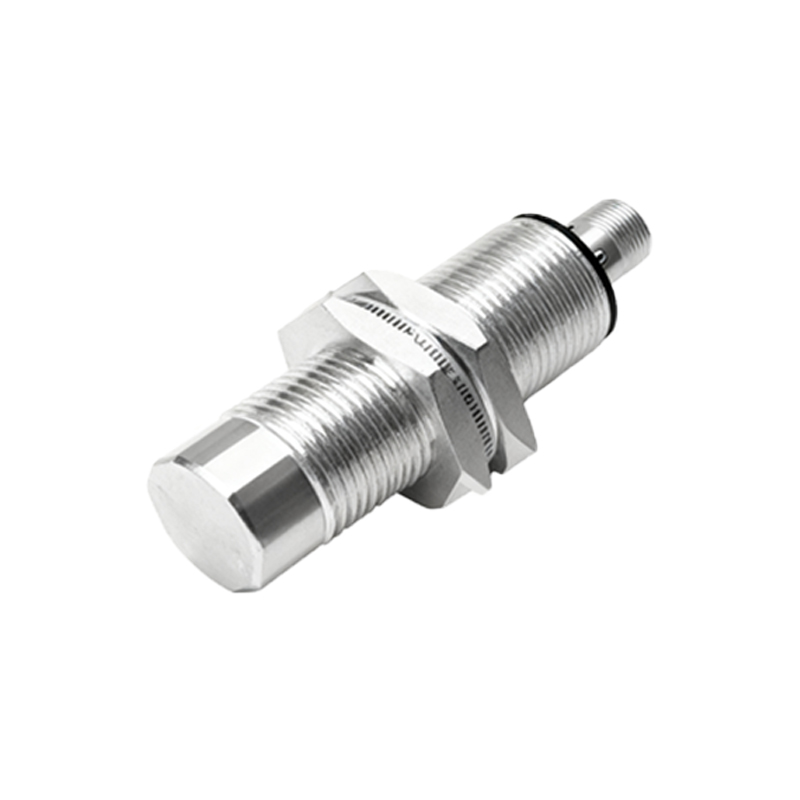
Understanding the different types of proximity sensors is crucial for selecting the right one for a job. Inductive proximity sensors are the most common in metal-heavy environments. They generate an oscillating electromagnetic field. When a metallic target enters this field, it induces eddy currents, causing a change in oscillation amplitude that triggers the sensor's output. Capacitive sensors, on the other hand, can detect both metallic and non-metallic materials like plastics, wood, or liquids. They function by measuring changes in capacitance between the sensor's face and the target. Ultrasonic sensors use sound waves, emitting pulses and calculating distance based on the time-of-flight of the reflected echo, making them ideal for level detection or presence sensing of varied materials. Finally, photoelectric sensors use light beams (visible, infrared, or laser) and are excellent for long-range detection and sensing small objects.
Critical Selection Criteria for Engineers
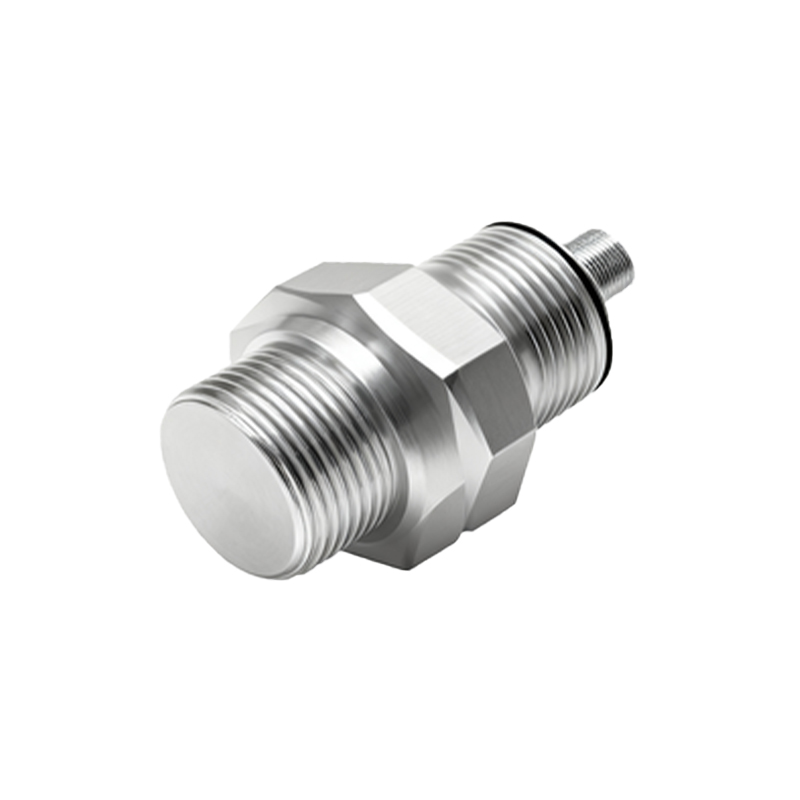
Selecting the optimal proximity sensor requires careful analysis of several parameters. First, the sensing range, which is the maximum distance at which the sensor can reliably detect a standard target. Engineers must consider both the nominal range and derate it for real-world conditions and specific target materials. The second key factor is the target material itself, which directly influences the choice between inductive, capacitive, or ultrasonic types. Environmental conditions are paramount; factors like temperature extremes, humidity, dust, oil, or chemical exposure dictate the required ingress protection (IP) rating and housing material (e.g., stainless steel for washdown areas). Output type is another decision point: PNP (sourcing) or NPN (sinking) transistor outputs, analog outputs for distance measurement, or IO-Link for smart sensor capabilities.
Installation and Commissioning Best Practices
Proper installation is critical for reliable sensor performance. A primary concern is ensuring the correct mounting. Flush-mountable sensors can be installed embedded in metal without loss of range, while non-flush sensors require a clear area around the sensing face. Adequate clearance from other metal objects and sensors is necessary to prevent mutual interference. Wiring must be performed according to the datasheet, paying close attention to polarity for DC sensors and ensuring proper shielding for cables in electrically noisy environments. During commissioning, technicians should verify the sensing distance with the actual target under real operating conditions and adjust the sensitivity if the sensor allows it. Testing should include edge-case scenarios to ensure no false triggers or missed detections.
Common Applications in Automation Systems
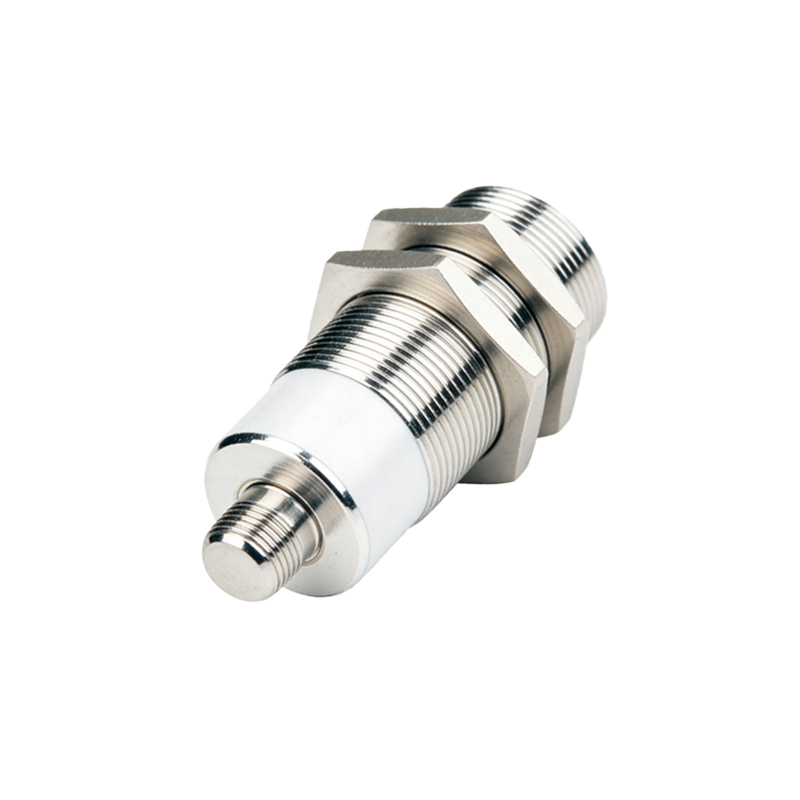
The applications for proximity sensors span the entire spectrum of industrial automation. In material handling, they are used for object detection on conveyors, pallet positioning, and end-of-travel limits on linear actuators. In machine tools, they provide precise part positioning, tool breakage detection, and door interlock safety. Robotic cells utilize them for end-effector positioning, workpiece presence verification, and safety curtain monitoring. In packaging machinery, sensors count products, detect fill levels, and verify cap placement. Process industries use them for liquid level control in tanks and detecting the presence of valves or actuators. Their role in enabling Industry 4.0 is growing, with smart sensors providing diagnostic data and process parameters via digital communication protocols.
Troubleshooting and Maintenance Guidelines
Despite their reliability, proximity sensors can encounter issues. Common problems include failure to detect the target, intermittent operation, or constant activation. A systematic approach to troubleshooting begins with verifying power supply voltage and polarity. Next, inspect the sensor face for buildup of dirt, metal shavings, or other contaminants that can attenuate the sensing field. Check the target's properties, size, and approach angle to ensure they are within specifications. Examine the wiring for loose connections, damaged cables, or short circuits. In electrically noisy environments, interference can cause erratic behavior, necessitating better shielding or grounding. Preventive maintenance involves regular cleaning of the sensor face and periodic functional checks as part of the overall machine maintenance schedule to avoid unplanned