Introduction to 3-Wire PNP Proximity Sensors
3-wire PNP proximity sensors are widely used in industrial automation for detecting the presence or absence of objects without physical contact. These sensors operate on the principle of electromagnetic fields, making them ideal for harsh environments where durability and reliability are critical. The PNP configuration, also known as sourcing output, means the sensor switches the positive voltage to the load when an object is detected. This design is particularly favored in many regions, including Europe and Asia, due to its compatibility with programmable logic controllers (PLCs) and standard industrial wiring practices. Understanding the basics of these sensors is essential for optimizing their performance in long-distance applications.
Challenges in Long-Distance Applications
Extending the operational distance of 3-wire PNP proximity sensors presents several challenges. Voltage drop along the wiring can significantly reduce sensor performance, leading to false triggers or failure to detect objects. Environmental factors such as electromagnetic interference (EMI) from nearby machinery can also degrade signal integrity over long cables. Additionally, cable capacitance increases with length, which may slow down the sensor's response time or cause signal distortion. These issues necessitate careful planning and implementation of solutions to ensure reliable sensor operation in applications spanning several meters, such as conveyor systems or large-scale manufacturing setups.
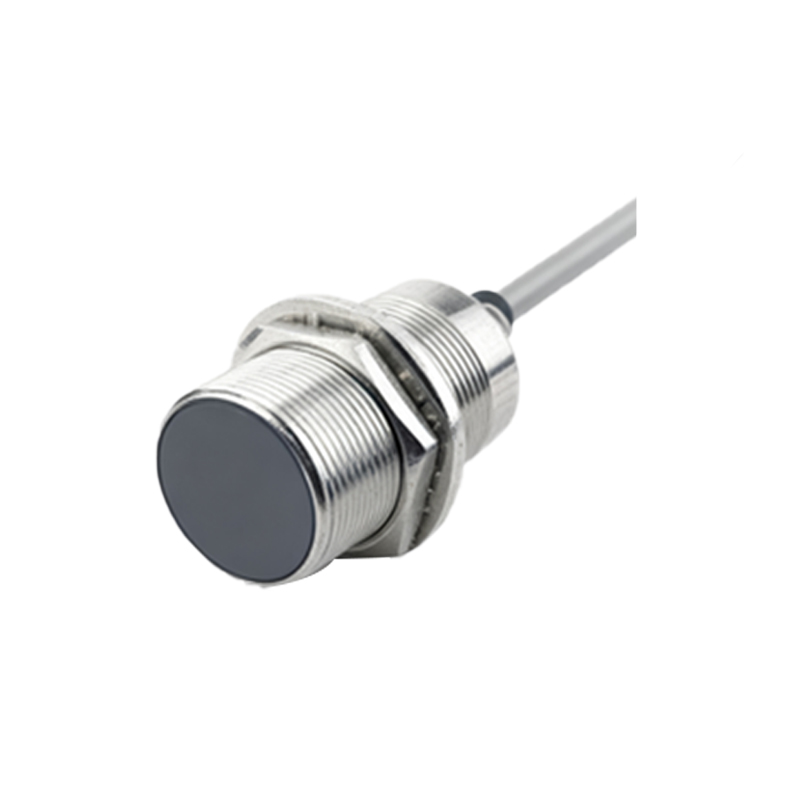
Wiring and Installation Best Practices
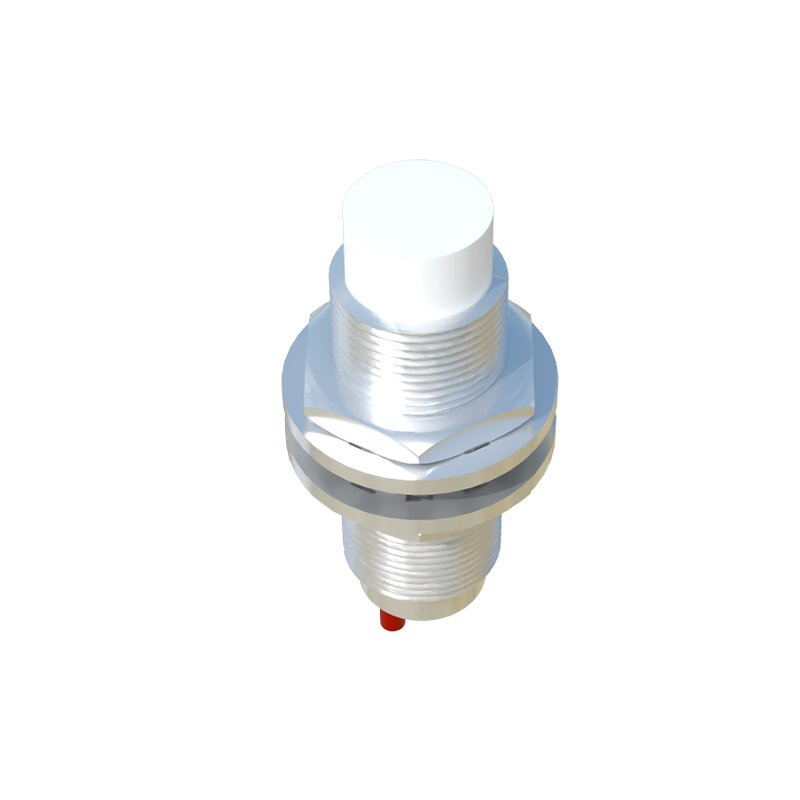
Proper wiring is crucial for maximizing the distance capabilities of 3-wire PNP proximity sensors. Use shielded cables to minimize EMI and ground the shield at one end to prevent ground loops. Select cables with larger conductor sizes to reduce resistance and voltage drop; for instance, a 1.5 mm² cross-section is often recommended for runs exceeding 10 meters. Ensure tight connections and avoid splicing wires, as poor contacts can introduce additional resistance. Install sensors away from high-voltage equipment and motors to reduce noise interference. Following these practices helps maintain signal strength and accuracy over extended distances.
Signal Amplification and Boosting Techniques
When distance requirements exceed standard sensor limits, signal amplification becomes necessary. Employ signal boosters or repeaters to regenerate the output signal, effectively extending the range without compromising reliability. Some advanced 3-wire PNP sensors feature built-in amplifiers that enhance output current, allowing them to drive loads over longer cables. Alternatively, use intermediate relays or optocouplers to isolate and strengthen the signal. These techniques are particularly useful in applications like warehouse automation or outdoor monitoring, where sensors may be located far from control panels.
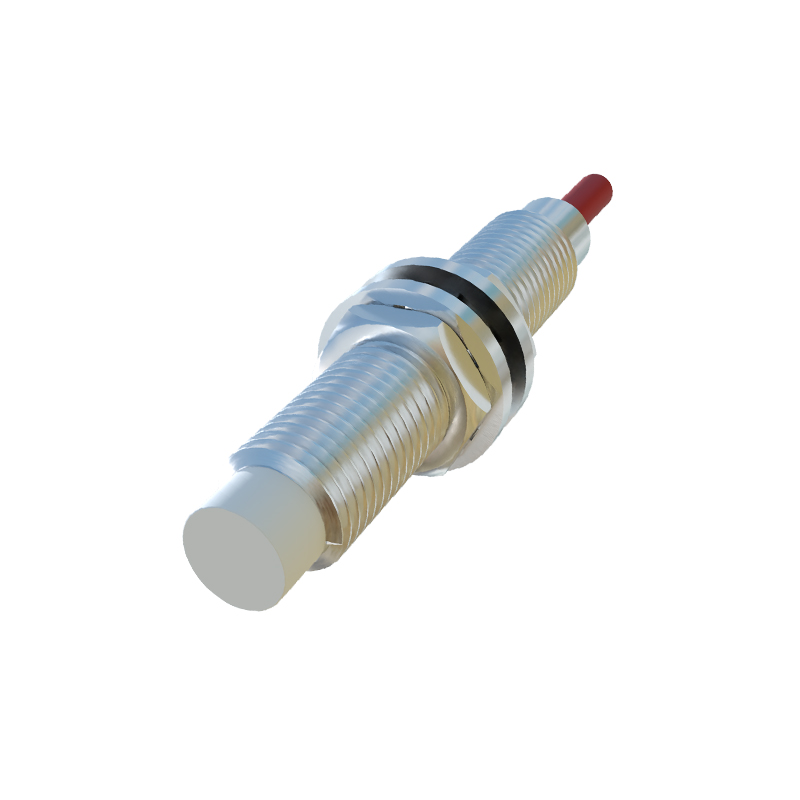
Selecting Sensors for Long-Distance Use
Choosing the right 3-wire PNP proximity sensor is key to successful long-distance implementation. Look for models with high switching current ratings (e.g., 200 mA or more) to counteract voltage drop. Sensors with adjustable sensitivity or built-in diagnostics can help fine-tune performance for varying distances. Consider environmental ratings, such as IP67 protection, to ensure durability in dusty or wet conditions. Brands like Siemens, Omron, and Pepperl+Fuchs offer specialized long-range sensors designed for industrial applications. Always consult datasheets for maximum cable length specifications and test sensors in real-world conditions before full deployment.
Maintenance and Troubleshooting Tips
Regular maintenance ensures long-distance 3-wire PNP proximity sensors remain operational. Periodically inspect cables for damage or wear, and clean sensor faces to prevent false readings from debris buildup. Use a multimeter to check voltage levels at both the sensor and load ends to identify any significant drops. If sensors malfunction, verify wiring integrity and test for EMI using an oscilloscope. Common issues like intermittent detection often stem from loose connections or inadequate power supply. Keeping spare sensors and cables on hand can minimize downtime in critical applications.
Future Trends and Innovations
The future of 3-wire PNP proximity sensors in long-distance applications is evolving with technological advancements. Integration with Industrial Internet of Things (IIoT) platforms enables remote monitoring and predictive maintenance, reducing manual checks over vast facilities. Developments in low-power designs and enhanced EMI immunity are extending achievable distances without additional hardware. Wireless sensor networks may also complement wired systems, offering flexibility in challenging installations. As industries embrace smart manufacturing, these innovations will drive efficiency and reliability in proximity sensing across greater ranges.