Understanding High Temperature Proximity Switch Sensors
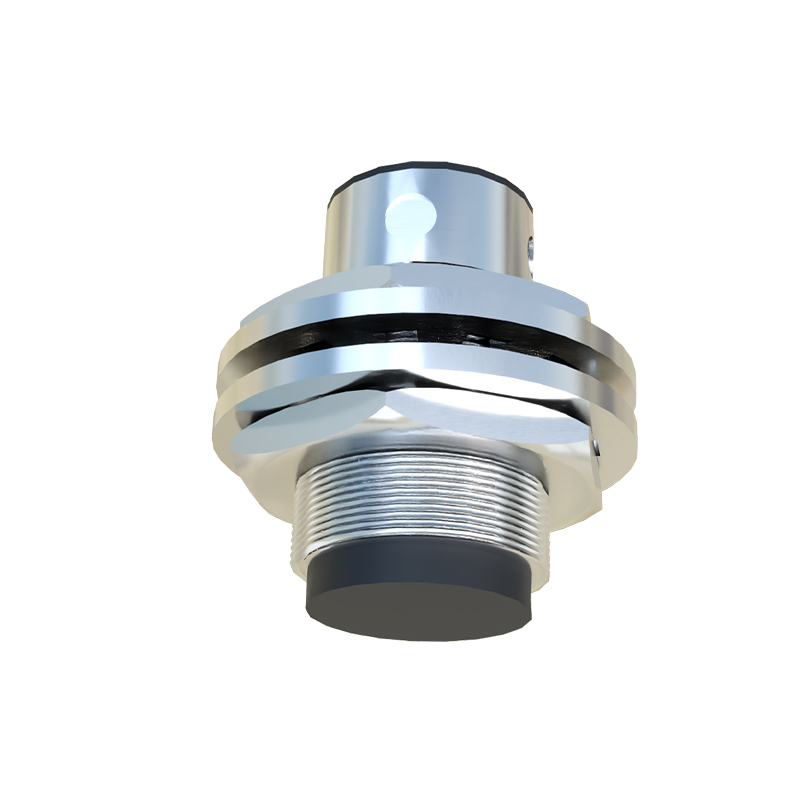
High temperature proximity switch sensors are specialized devices designed to operate reliably in extreme thermal environments, typically ranging from 150°C to over 200°C. These sensors utilize non-contact detection principles, such as inductive, capacitive, or magnetic technologies, to identify the presence or absence of metallic or non-metallic objects without physical interaction. Their robust construction often involves heat-resistant materials like stainless steel housings, ceramic faces, and high-grade electronic components that withstand thermal expansion and maintain stability. Industries such as metal processing, glass manufacturing, automotive, and aerospace rely on these sensors for critical applications including furnace monitoring, hot part handling, and engine component detection. The ability to function under continuous high heat prevents downtime and enhances safety, making them indispensable in harsh operational settings.
Key Factors Influencing Supply and Pricing
The supply and pricing of high temperature proximity switch sensors are influenced by several critical factors. Material costs play a significant role, as premium alloys and ceramics required for heat resistance are more expensive than standard sensor materials. Manufacturing complexity also drives up prices, with advanced sealing techniques and thermal insulation adding to production expenses. Additionally, customization options—such as specific sensing ranges, output types (e.g., PNP/NPN), or connector configurations—can lead to higher costs due to tailored engineering. Market demand fluctuations, particularly from heavy industries undergoing automation upgrades, impact availability, potentially causing lead time extensions. Global supply chain dynamics, including raw material sourcing and logistics, further affect pricing stability, with regional variations in tariffs and regulations contributing to cost differences across markets.
Current Market Trends and Supplier Landscape
The market for high temperature proximity switch sensors is evolving with trends toward miniaturization, enhanced durability, and smart connectivity. Suppliers are increasingly integrating IoT capabilities, allowing for real-time temperature monitoring and predictive maintenance features. Leading global suppliers, such as Siemens, Pepperl+Fuchs, and Balluff, dominate the high-end segment, offering sensors with extended temperature ranges up to 250°C and certifications like ATEX for hazardous areas. Meanwhile, specialized manufacturers in regions like Europe and North America focus on niche applications, providing custom solutions at competitive prices. The supply landscape is competitive, with online platforms and distributors improving accessibility, but quality assurance remains a key consideration. Buyers should evaluate suppliers based on technical support, warranty terms, and compliance with international standards like IEC 60947-5-2.
Pricing Breakdown and Cost Considerations
Pricing for high temperature proximity switch sensors varies widely based on specifications and volume. Entry-level models for general industrial use may start around $50 to $100 per unit, while high-performance sensors with extended ranges or certifications can cost $200 to $500 or more. Bulk purchases often reduce per-unit costs by 10-20%, making long-term contracts advantageous for large-scale operations. Additional expenses include installation accessories, such as mounting brackets or cooling jackets, and maintenance services, which can add 15-30% to the total investment. It's essential to consider total cost of ownership, factoring in energy efficiency, lifespan, and replacement frequency—sensors with higher initial prices may offer better longevity, reducing downtime and overall expenses. Requesting detailed quotes from multiple suppliers helps in comparing value propositions and avoiding hidden fees.
Tips for Sourcing and Negotiating with Suppliers
When sourcing high temperature proximity switch sensors, start by defining precise requirements, including temperature tolerance, sensing distance, and environmental conditions. Engage with reputable suppliers who provide technical datasheets and compliance documentation, and consider requesting samples for testing in real-world scenarios. Negotiation strategies should focus on volume discounts, long-term partnership benefits, and bundled services like training or extended warranties. Leverage online marketplaces and industry trade shows to discover new suppliers and stay updated on technological advancements. Always verify lead times and inventory levels to prevent project delays, and establish clear communication channels for ongoing support. By prioritizing quality and reliability over lowest price, buyers can ensure optimal performance and cost-effectiveness in demanding applications.