Understanding Magnetic Proximity Sensors
Magnetic proximity sensors are widely used in industrial automation for detecting the presence or absence of ferromagnetic objects without physical contact. They operate based on the interaction between a permanent magnet and a sensor element, typically a reed switch or Hall effect sensor. When a magnetic field of sufficient strength is applied, the sensor triggers, often controlling an indicator light or relay. These devices are valued for their reliability, durability, and ability to function in harsh environments. However, a common issue encountered in the field is the sensor's indicator light remaining constantly illuminated, which can signal underlying problems requiring prompt attention to prevent system failures or safety hazards.
Primary Causes of a Constantly Lit Sensor Light
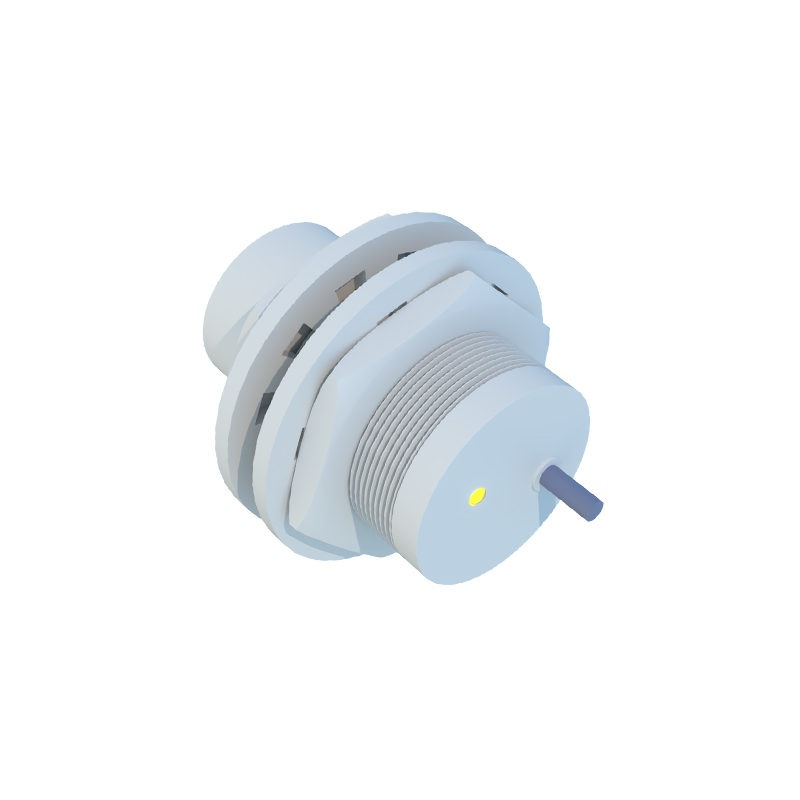
Several factors can lead to a magnetic proximity sensor light staying on. First, sensor misalignment or improper installation is a frequent culprit. If the sensor and its target magnet are not correctly positioned within the specified operating distance, the magnetic field may continuously activate the sensor. Second, external magnetic interference from nearby equipment, such as motors, transformers, or other sensors, can generate stray fields that latch the sensor. Third, internal component failure is possible; the reed switch contacts may weld shut due to excessive current or voltage spikes, or the Hall effect IC could be damaged. Fourth, wiring faults, including short circuits in the output lines or incorrect power supply connections, can cause the light to remain on. Lastly, environmental factors like extreme temperatures, moisture ingress, or accumulation of metallic debris on the sensor face can alter its magnetic sensitivity.
Step-by-Step Diagnostic Procedures
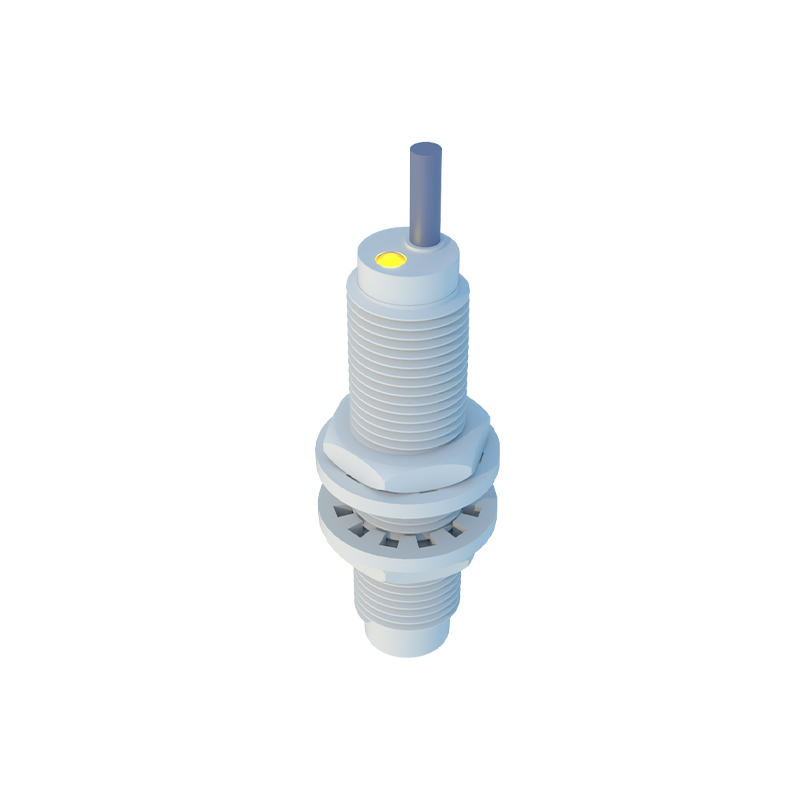
To systematically diagnose a magnetic proximity sensor with a constantly illuminated light, begin by verifying the installation. Check the alignment and gap between the sensor and the actuating magnet against the manufacturer's specifications using appropriate gauges. Next, inspect the surrounding area for potential sources of magnetic interference and temporarily power down nearby equipment to observe any change. Examine the sensor's wiring connections for loose terminals, frayed insulation, or signs of short circuits. Use a multimeter to measure the output signal; a continuous "on" state output when the magnet is removed indicates an internal fault. If accessible, test the sensor with a known working magnet to rule out magnet degradation. Additionally, assess the operating environment for contaminants or conditions outside the sensor's rated limits, as these can cause persistent activation.
Effective Troubleshooting and Repair Solutions
Once the root cause is identified, apply targeted solutions. For misalignment, recalibrate the sensor position and secure it firmly. If magnetic interference is detected, relocate the sensor or shield it using ferrous materials, ensuring compliance with safety standards. In cases of internal failure, replace the sensor unit entirely, as repairing sealed components is often impractical. Address wiring issues by repairing or replacing damaged cables and ensuring proper grounding. For environmental problems, clean the sensor face regularly, install protective housings, or select sensors with higher ingress protection (IP) ratings suitable for the application. Implementing preventive maintenance schedules, including periodic checks of sensor alignment and environmental conditions, can mitigate recurrence. Always refer to the sensor's technical datasheet for specific tolerances and replacement guidelines.
Preventive Measures and Best Practices
To minimize instances of magnetic proximity sensor lights staying on, adhere to industry best practices. During installation, strictly follow the manufacturer's guidelines for mounting distances, orientation, and environmental limits. Use shielded cables and proper conduit to reduce electromagnetic interference. Select sensors with appropriate specifications for the application, such as extended temperature ranges or robust housing for dusty or wet areas. Regularly monitor system performance through diagnostic tools or PLC feedback to detect early signs of sensor drift or failure. Training personnel on correct handling and troubleshooting procedures ensures quick response to issues. By prioritizing these measures, operational efficiency and system longevity are enhanced, reducing downtime and maintenance costs in industrial settings.