Introduction to Proximity Sensor Testing Benches
Proximity sensor testing benches are specialized industrial equipment designed to verify the performance, accuracy, and reliability of proximity sensors before they are deployed in automation systems. These benches simulate real-world operating conditions to ensure sensors meet stringent quality standards. Typically, they consist of a controlled environment with adjustable parameters such as distance, speed, temperature, and target material. By providing precise measurements of response time, sensing range, and repeatability, testing benches help prevent system failures, reduce downtime, and maintain consistency in manufacturing processes. Industries like automotive, packaging, and robotics rely on these benches to validate sensor functionality, ensuring seamless integration into assembly lines or machinery.
Types of Proximity Sensor Testing Benches
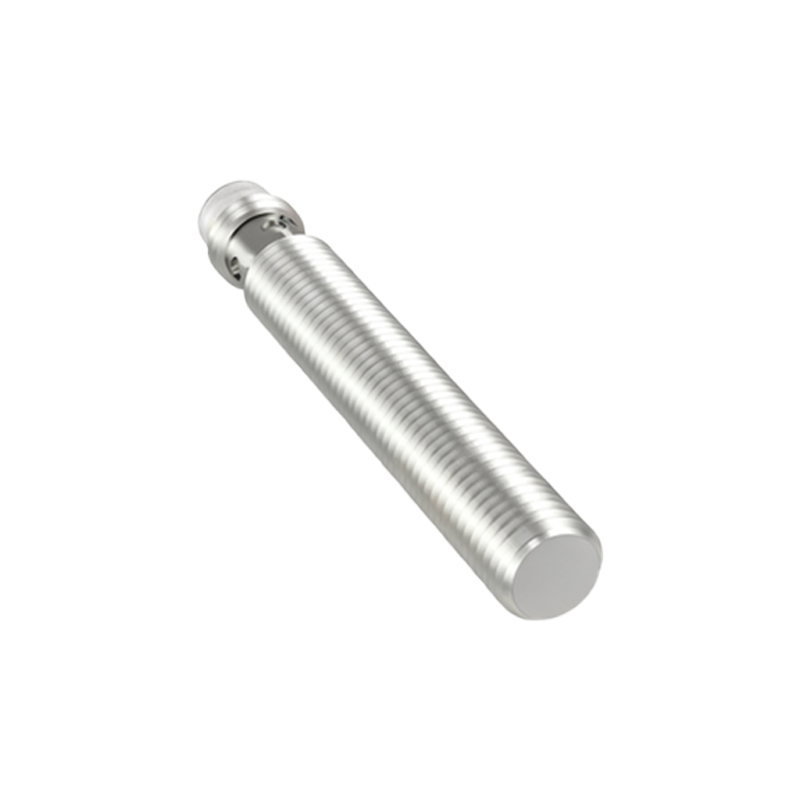
Several types of testing benches cater to different sensor technologies and applications. Inductive sensor testing benches are used for metal detection sensors, evaluating factors like switching frequency and hysteresis. They often include metal targets of varying shapes and alloys to test sensitivity. Capacitive sensor testing benches handle non-metallic materials, assessing detection capabilities for liquids, plastics, or organic substances. Ultrasonic sensor testing benches measure sound wave reflection and distance accuracy, commonly applied in level sensing or obstacle detection. Optical sensor testing benches focus on photoelectric sensors, testing light beam alignment, intensity, and response to colored or reflective surfaces. Each bench is tailored to specific sensor physics, ensuring comprehensive validation.
Key Components and Features
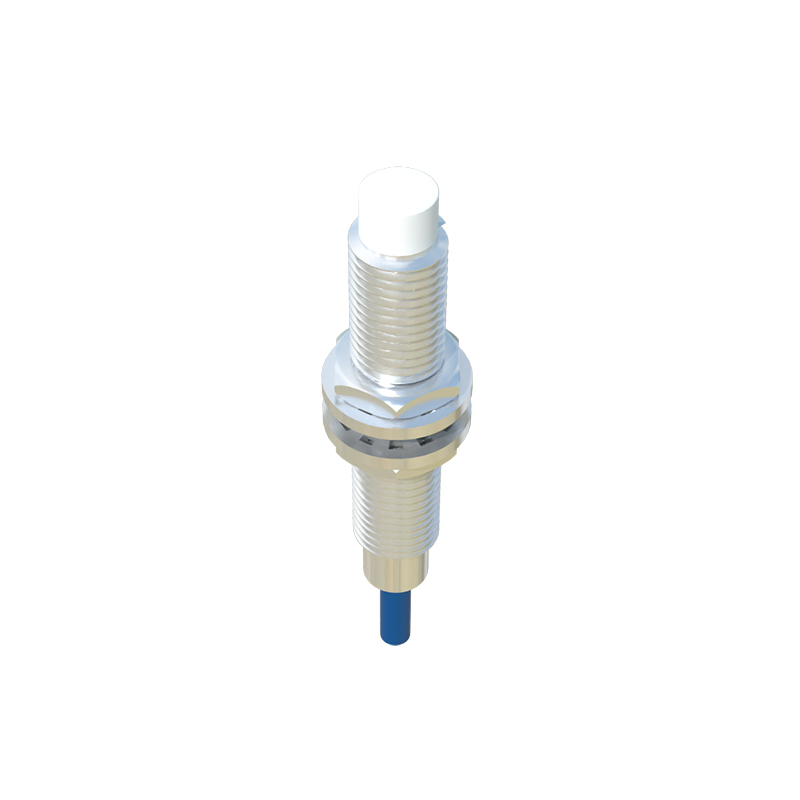
A standard proximity sensor testing bench integrates multiple components for thorough evaluation. The core includes a positioning system, often with linear actuators or robotic arms, to move targets at precise distances and speeds. Measurement units, such as oscilloscopes or data loggers, capture electrical signals and timing data. Environmental chambers may control temperature and humidity to test sensor durability under extreme conditions. User interfaces, like touchscreen panels or software, allow operators to set test parameters and generate reports. Advanced features include automated calibration, error detection algorithms, and compatibility with Industry 4.0 protocols for data integration. These components work together to provide repeatable, high-precision testing, minimizing human error.
Applications in Industrial Automation
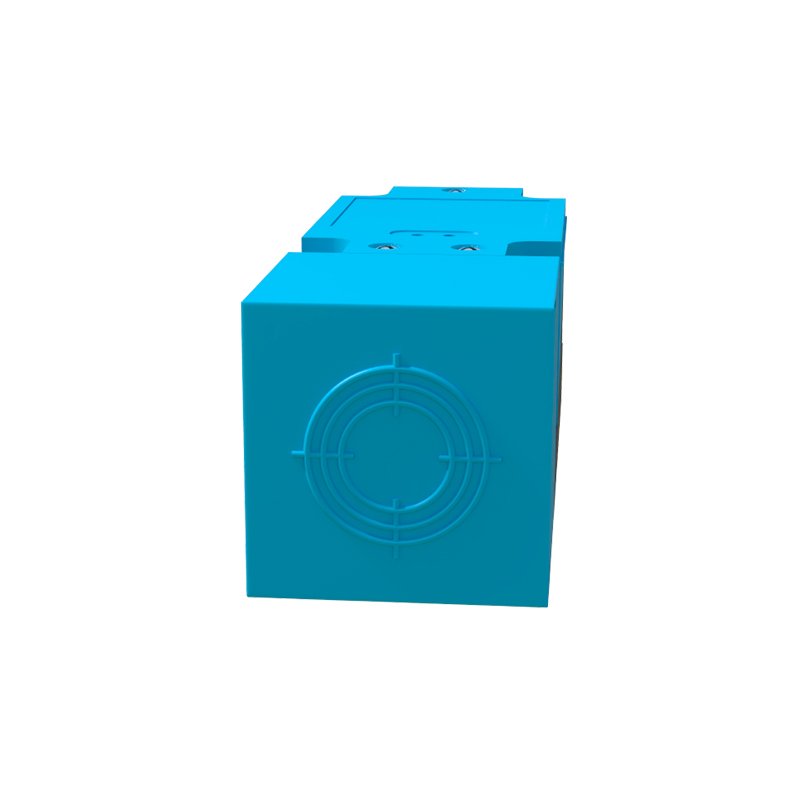
In industrial automation, proximity sensor testing benches play a critical role in quality assurance and process optimization. They are used during sensor manufacturing to conduct final inspections, ensuring each unit meets specifications before shipment. Maintenance teams employ portable testing benches for on-site diagnostics, troubleshooting sensor malfunctions in machinery without halting production. Research and development labs utilize these benches to prototype new sensor designs, testing innovations in materials or electronics. Additionally, they support training programs, helping technicians understand sensor behavior and calibration techniques. By enhancing sensor reliability, these benches contribute to efficient automation systems, reducing waste and improving safety in factories.
Benefits of Using Testing Benches
Implementing proximity sensor testing benches offers significant advantages. They improve product quality by identifying defects early, preventing faulty sensors from causing equipment damage or production delays. Cost savings arise from reduced warranty claims and lower maintenance expenses, as tested sensors have longer lifespans. Efficiency gains are achieved through faster testing cycles compared to manual methods, boosting throughput in high-volume industries. Data-driven insights from test reports enable continuous improvement in sensor design and manufacturing processes. Moreover, compliance with international standards, such as ISO or IEC certifications, is easier to maintain, enhancing market credibility. Overall, these benches are a valuable investment for any organization relying on automation.
Future Trends and Innovations
The future of proximity sensor testing benches is shaped by technological advancements. Integration with IoT and cloud computing allows real-time monitoring and predictive analytics, enabling proactive maintenance and remote testing. AI-powered benches can adapt test parameters dynamically based on sensor performance, optimizing accuracy. Miniaturization and modular designs make benches more portable and customizable for diverse applications. Enhanced simulation capabilities, including virtual reality environments, will test sensors in complex scenarios without physical setups. Sustainability trends may drive energy-efficient benches with reduced material usage. As sensors become smarter in Industry 4.0, testing benches will evolve to handle higher frequencies, wireless communication, and multi-sensor networks, ensuring they remain essential tools in automation.