Introduction to Proximity Sensor Winding
Proximity sensors are critical components in modern automation and safety systems, detecting the presence or absence of objects without physical contact. At the heart of many inductive and magnetic-based proximity sensors lies a precisely wound coil. The quality and consistency of this coil directly influence the sensor's sensitivity, range, and reliability. Specialized winding machines are engineered to meet the stringent demands of producing these miniature, high-precision coils. Unlike standard coil winders, proximity sensor winding machines incorporate advanced features for handling fine wires, achieving exact turn counts, and ensuring repeatable winding patterns. This article delves into the core principles, mechanical design, and control systems that define these specialized machines.
Core Working Principle of the Winding Process
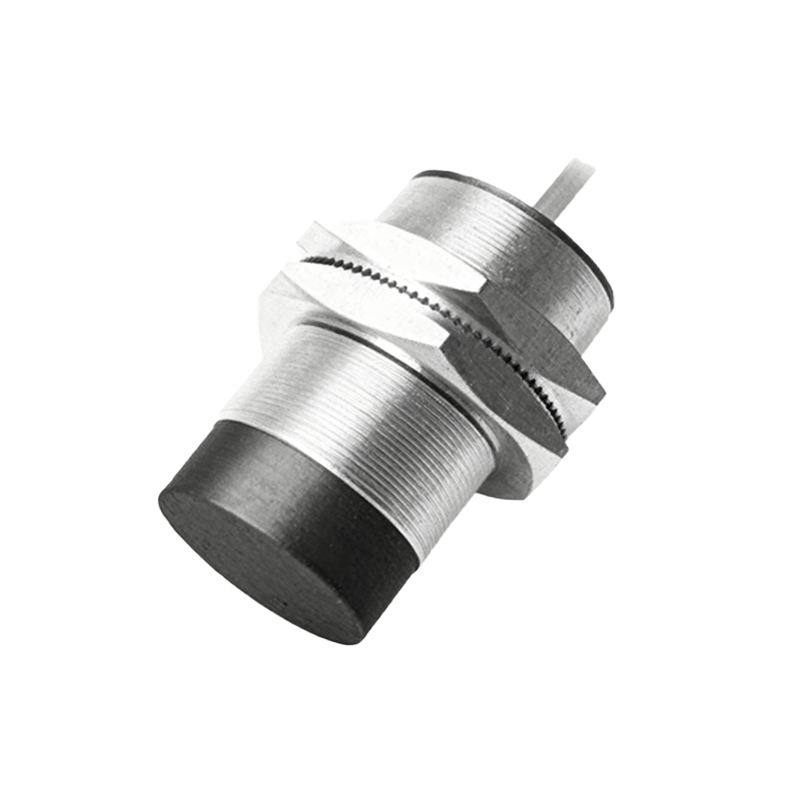
The fundamental principle of a proximity sensor winding machine is the precise rotation of a spindle, or flyer, to lay insulated copper wire (often as thin as 0.02mm) onto a bobbin or core. The process is highly controlled. The machine's main spindle holds the sensor bobbin. A wire-guiding mechanism, which can be a traversing cam system or a computer-controlled servo axis, moves precisely in sync with the spindle's rotation. This synchronization determines the winding pattern—whether it's a simple layer winding or a more complex precision cross-winding. The key is to place each turn exactly adjacent to the previous one without gaps or overlaps, maximizing the coil's inductance and Q-factor. Tension control is paramount; too much tension can break the fine wire or deform the bobbin, while too little results in a loose, unstable coil. Machines use electromagnetic brakes or servo-driven tensioners to maintain consistent, low tension throughout the winding cycle.
Mechanical Design and Key Components
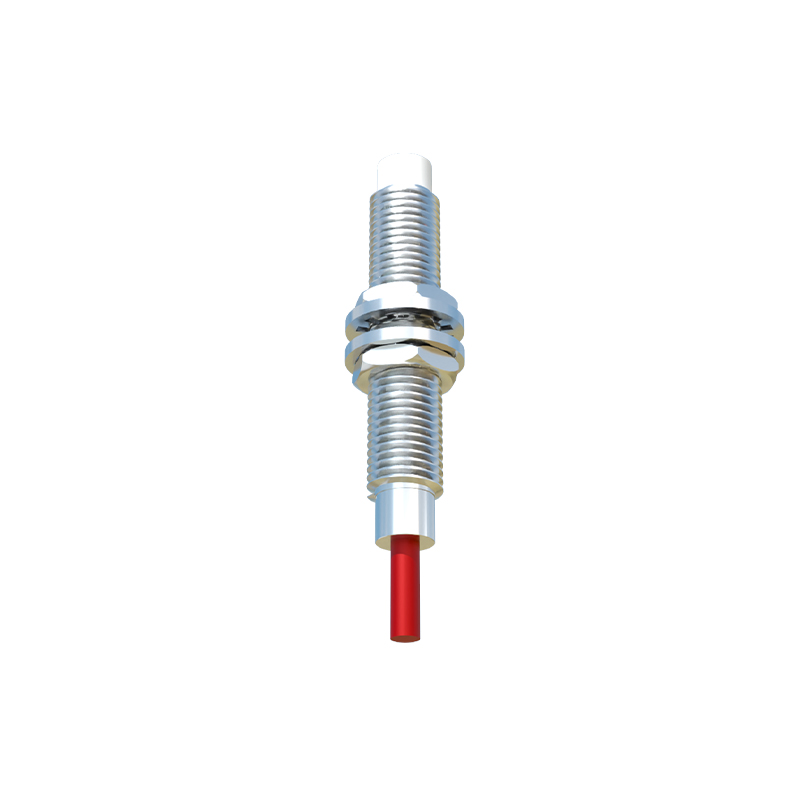
The mechanical architecture is built for precision and minimal vibration. A rigid machine frame provides stability. The main winding spindle is driven by a high-precision servo motor, offering exact angular control for turn counting and positioning. The wire traverse system is equally critical. Modern machines employ a separate servo motor for the traverse guide, allowing for programmable winding patterns and adjustable pitch. A wire tensioning assembly, consisting of guides, brakes, and sensors, ensures smooth wire feed. Auxiliary stations are often integrated for automated tasks such as bobbin loading/unloading, wire lead trimming, and terminal welding. For handling ultra-fine wires, components may be housed in an environmentally controlled enclosure to minimize dust and air currents that could disrupt the winding process.
Control System and Programming
The intelligence of the machine resides in its programmable logic controller (PLC) and human-machine interface (HMI). The PLC coordinates all axes of motion—spindle rotation, traverse movement, and auxiliary actuators—based on a set winding recipe. Recipes define parameters like total turns, winding speed, traverse stroke, and pattern. Advanced machines feature closed-loop control, where real-time feedback from encoders ensures the actual winding matches the programmed parameters exactly. The HMI allows operators to input recipes, monitor production statistics, and diagnose faults. Modern systems also support connectivity for Industry 4.0 applications, enabling data logging for traceability and predictive maintenance, ensuring consistent quality across high-volume production runs.
Challenges and Technological Solutions
Winding proximity sensor coils presents unique challenges. The extremely fine wire is fragile and prone to breakage. Solutions include using ceramic guides to reduce friction, implementing sensitive wire break detectors that halt the machine instantly, and optimizing acceleration/deceleration profiles to minimize inertial stress on the wire. Another challenge is achieving high density and consistency in very small winding spaces. This is addressed through sophisticated motion control algorithms that synchronize spindle and traverse movement with micro-level accuracy. Furthermore, the demand for miniaturization requires machines capable of winding on sub-millimeter bobbins, necessitating micro-sized spindles and vision systems for alignment and inspection.
Application and Impact on Sensor Performance
The application of these specialized winding machines is directly linked to end-product performance. A perfectly wound coil ensures the proximity sensor has a stable and predictable inductive field. This translates to consistent switching points, improved signal-to-noise ratio, and enhanced long-term reliability. Machines that produce coils with minimal variation allow sensor manufacturers to calibrate their devices more efficiently and maintain tight performance tolerances. From automotive brake wear sensors to factory automation limit switches, the precision imparted by the winding machine is a foundational element in the sensor's functionality. As sensor technology advances towards higher frequencies and smaller form factors, the evolution of winding machine technology will continue to be a critical enabling factor.