Introduction to Proximity Sensor Technology
Proximity sensors have become indispensable components in modern industrial automation, robotics, and smart systems. These non-contact devices detect the presence or absence of an object within a specified range, triggering an output signal. The core technologies dominating the market include inductive, capacitive, ultrasonic, photoelectric, and magnetic sensors. Each type offers distinct advantages tailored to specific applications, materials, and environmental conditions. The evolution from basic on/off detection to sophisticated analog and IO-Link enabled sensors has significantly expanded their functionality, directly influencing their market value and pricing structures. Understanding the technological underpinnings is crucial for comprehending the cost drivers in this dynamic market.
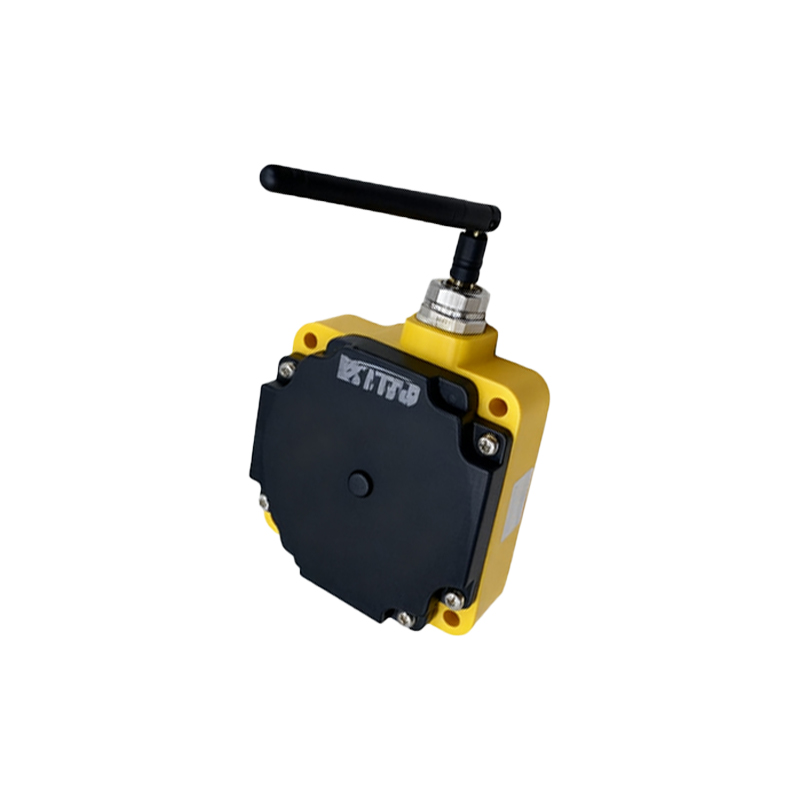
Key Factors Influencing Sensor Pricing
The price of a modern proximity sensor is not a single figure but a spectrum determined by a confluence of technical and commercial factors. Sensor range is a primary cost driver; longer sensing distances, especially in challenging environments, require more advanced components and calibration, increasing the price. The housing material, such as stainless steel versus nickel-plated brass or PBT plastic, impacts both durability and cost. Performance specifications like switching frequency, repeat accuracy, and temperature tolerance also play a significant role. Furthermore, the inclusion of advanced features such as weld-field immunity for inductive sensors, hygienic designs for food and pharmaceutical industries, or integrated diagnostics and communication protocols (e.g., IO-Link, PROFINET) adds substantial value and cost. Brand reputation, certification standards (IP ratings, ATEX, UL), and supply chain logistics further shape the final market price.
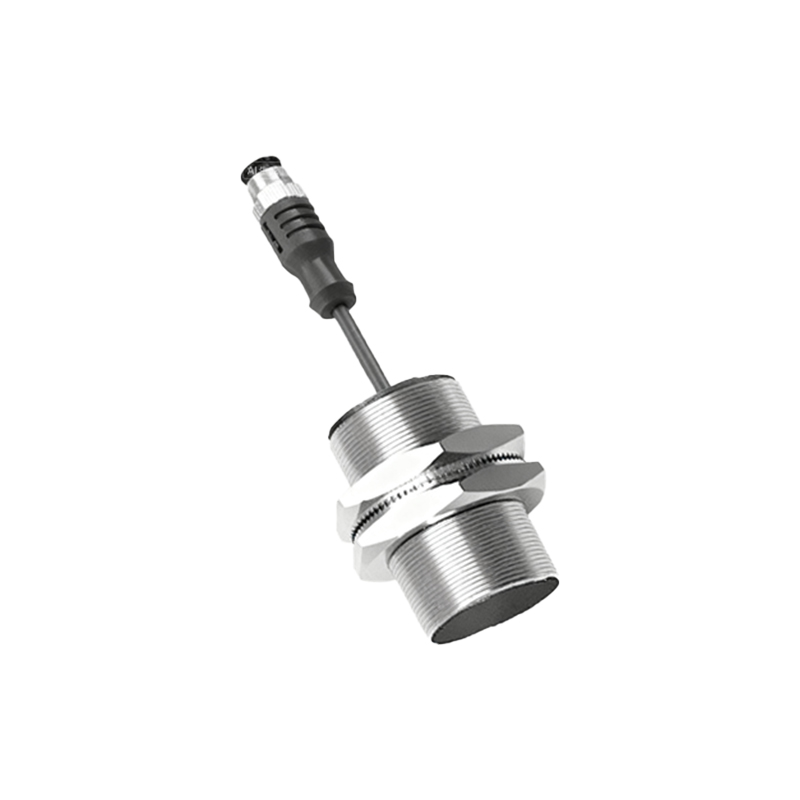
Market Segmentation and Price Ranges
The global proximity sensor market is segmented by type, technology, end-user industry, and geography, each with its own pricing dynamics. Inductive sensors, commonly used for metal detection, represent a mature and competitive segment. Entry-level standard cylindrical sensors can be found in the range of $15 to $50, while specialized models with extended range or advanced housing can cost between $60 and $200. Capacitive sensors, used for non-metallic material detection, often carry a slight premium, typically ranging from $30 to $150. Photoelectric sensors, with their longer ranges and versatile detection capabilities, show a wide price spread from $40 for basic diffuse models to over $500 for high-precision, background suppression versions used in logistics. Ultrasonic sensors, valued for their robustness in dusty or dirty environments, generally range from $80 to $400. High-end magnetic sensors or specialized safety-rated sensors command the highest prices, often exceeding $300 per unit.
The Impact of Industry 4.0 and Smart Features
The integration of Industry 4.0 principles is a transformative force in sensor pricing. Modern "smart" proximity sensors are no longer simple switches; they are intelligent data points on the network. Sensors equipped with IO-Link communication can provide detailed diagnostic data (e.g., operating hours, temperature, signal strength) and allow for remote parameterization. This intelligence comes at a cost premium, typically adding 20% to 40% to the base price of a standard sensor. However, this investment is justified by reduced downtime, predictive maintenance capabilities, and easier integration into digital twin environments. The demand for these connected sensors is steadily growing, particularly in automotive manufacturing, packaging, and advanced material handling, creating a higher-value market segment that influences overall average selling prices upward.
Regional Market Variations and Supply Chain Considerations
Pricing is not uniform globally and is heavily influenced by regional manufacturing hubs, import duties, and local market competition. Traditionally, sensors manufactured in Europe and North America, from established brands like Siemens, Pepperl+Fuchs, or Banner Engineering, are positioned in the premium price bracket, reflecting higher labor costs and rigorous engineering standards. Sensors sourced from Asian manufacturers, particularly in China, Japan, and South Korea, often offer competitive pricing, especially in the standard product categories. However, the distinction is blurring as global brands manufacture in Asia and Asian brands enhance their technological offerings. Recent supply chain disruptions have also caused price volatility, with lead times and component shortages sometimes leading to premium pricing for readily available stock, independent of the sensor's inherent specifications.
Future Price Trends and Cost-Saving Strategies
Looking ahead, the price trajectory for proximity sensors is expected to be bifurcated. For standard, low-feature sensors, intense global competition and economies of scale may continue to exert downward pressure on prices. Conversely, for sensors with advanced materials, extreme robustness, and sophisticated digital functionalities, prices are likely to remain stable or increase as R&D costs are amortized. For procurement specialists and engineers, effective cost-saving does not mean simply choosing the cheapest option. A total cost of ownership (TCO) approach is essential