Introduction to M18 Inductive Proximity Sensors
M18 inductive proximity sensors are indispensable components in modern industrial automation, renowned for their reliability and precision in detecting metallic objects without physical contact. Characterized by their 18mm diameter cylindrical housing, these sensors operate on the principle of electromagnetic induction. When a metallic target enters the sensor's electromagnetic field, it induces eddy currents, causing a change in oscillation amplitude. This alteration is detected by the sensor's circuitry, triggering an output signal. Widely utilized in manufacturing, packaging, and automotive industries, M18 sensors excel in harsh environments, offering robust performance with resistance to dust, moisture, and mechanical stress. Their compact design and ease of installation make them a preferred choice for engineers seeking efficient, non-contact detection solutions.
Key Operating Principles and Technology
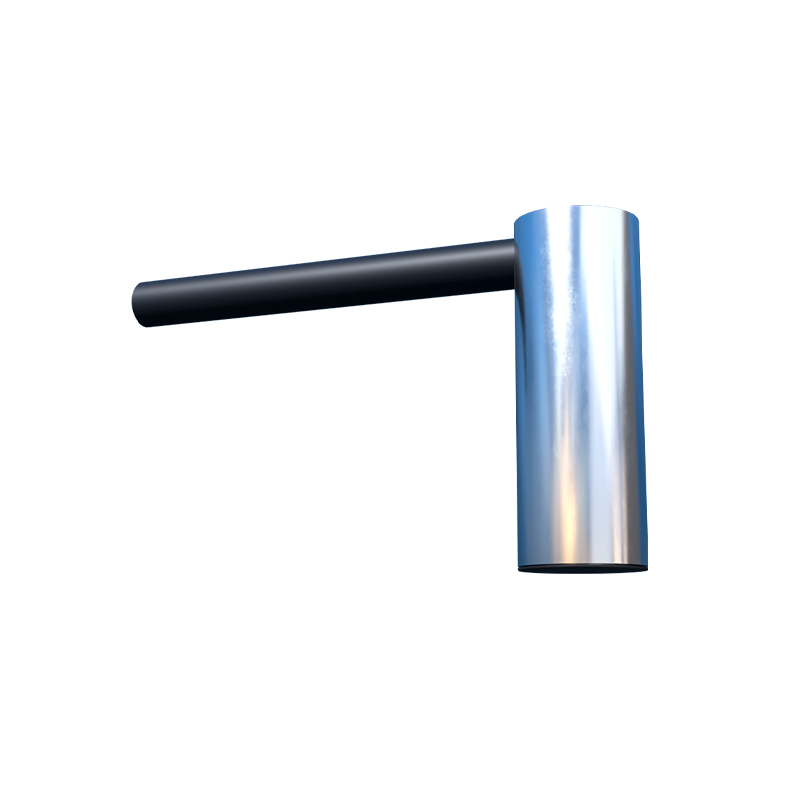
The core technology behind M18 inductive proximity sensors revolves around an LC oscillator circuit, which generates a high-frequency electromagnetic field at the sensing face. As a ferrous or non-ferrous metal object approaches, eddy currents form on the target's surface, absorbing energy from the oscillator and reducing its amplitude. This reduction is monitored by an evaluation circuit, which switches the sensor's output state accordingly. Key specifications include sensing range, typically up to 8mm for standard models, and repeat accuracy, ensuring consistent detection even in high-speed applications. Advanced versions incorporate features like short-circuit protection, temperature stability, and immunity to electromagnetic interference, enhancing durability in complex industrial setups. Understanding these principles is crucial for optimizing sensor selection and integration.
Advantages Over Other Sensor Types
Compared to capacitive or photoelectric sensors, M18 inductive proximity sensors offer distinct benefits in metal detection scenarios. Their non-contact nature eliminates wear and tear, leading to longer service life and reduced maintenance costs. They provide high switching frequencies, often exceeding 1kHz, enabling rapid detection in dynamic processes like conveyor systems or robotic arms. Additionally, their insensitivity to non-metallic materials minimizes false triggers, ensuring operational reliability. With rugged construction, often rated IP67 or higher, they withstand exposure to oils, coolants, and vibrations. For industries prioritizing precision and resilience, M18 sensors deliver superior performance, making them a cost-effective solution for automation challenges.
Selection Criteria for Industrial Applications
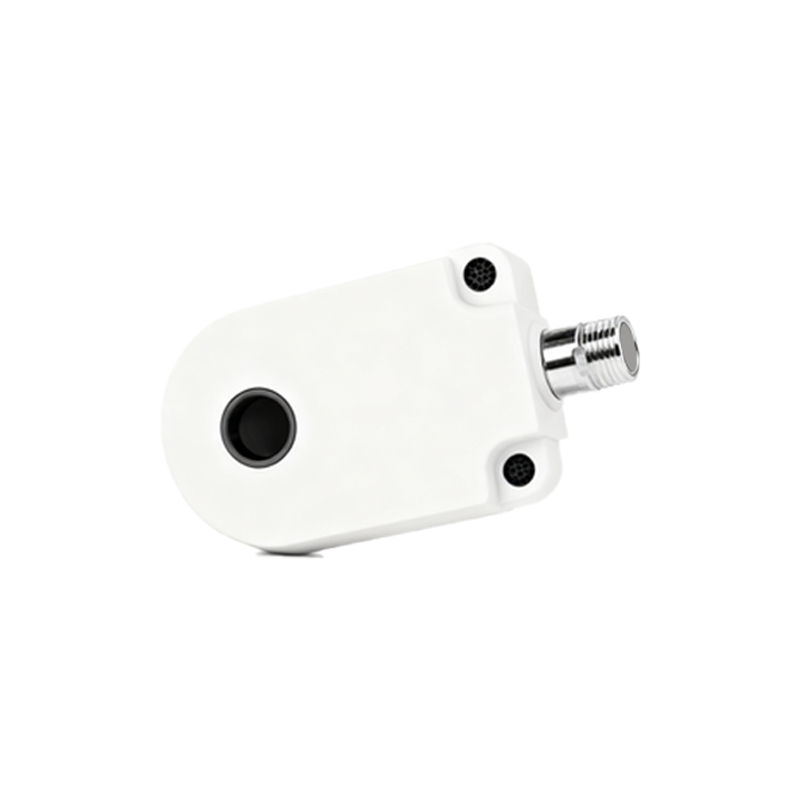
Choosing the right M18 inductive proximity sensor requires careful consideration of application parameters. Key factors include sensing distance, which should account for target material and size, with steel offering the longest range. Output type—such as NPN, PNP, or analog—must align with control system compatibility. Environmental conditions dictate housing material, with stainless steel variants suited for corrosive settings. Temperature ranges, typically from -25°C to 70°C, ensure functionality in extreme climates. Engineers should also evaluate connection methods, like cable or connector styles, for ease of installation. By matching these criteria to specific needs, users can maximize efficiency and avoid downtime in production lines.
Installation and Maintenance Best Practices
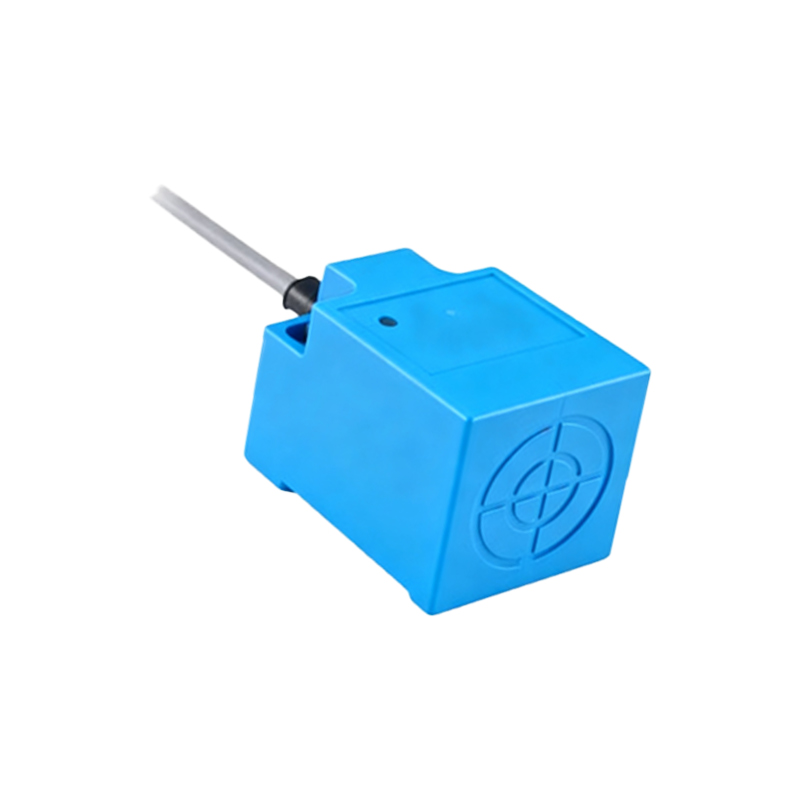
Proper installation is vital for optimal sensor performance. Mount M18 sensors securely using standard brackets, ensuring the sensing face is parallel to the target and free from obstructions. Maintain the recommended sensing distance to prevent false readings, and avoid placing multiple sensors too closely to prevent mutual interference. For maintenance, regular cleaning of the sensing surface removes debris that could impair function. Check wiring integrity and power supply stability periodically to prevent failures. Most M18 sensors are maintenance-free due to solid-state design, but monitoring for environmental damage, such as corrosion or impact, extends lifespan. Following these practices enhances reliability in demanding industrial operations.
Future Trends and Innovations
The evolution of M18 inductive proximity sensors continues with advancements in smart technology and Industry 4.0 integration. Modern sensors now feature IO-Link communication, enabling real-time data exchange for predictive maintenance and process optimization. Miniaturization efforts are yielding more compact designs without sacrificing range, while enhanced materials improve resistance to extreme temperatures and chemicals. Innovations in sensing algorithms allow for better discrimination between metal types, boosting accuracy. As automation becomes more interconnected, M18 sensors are poised to play a pivotal role in intelligent factories, contributing to efficiency and sustainability goals. Staying updated on these trends helps industries leverage cutting-edge solutions for competitive advantage.