What Are High-Tech Proximity Sensors?
In the intricate world of industrial automation and smart systems, high-tech proximity sensors serve as the fundamental, yet often invisible, sensory organs. At their core, these are non-contact electronic devices designed to detect the presence or absence of an object within a specified range without any physical contact. Unlike basic mechanical switches, they operate on various physical principles—such as electromagnetic fields, light, or sound—to sense targets. This non-contact nature is their defining characteristic, eliminating mechanical wear and tear, enabling high-speed operation, and allowing detection of fragile, hot, or otherwise inaccessible objects. From ensuring a robotic arm stops before colliding with a worker to detecting the precise position of a metal component on a high-speed assembly line, these sensors form the critical first layer of data acquisition in countless automated processes.
Core Operating Principles and Technologies
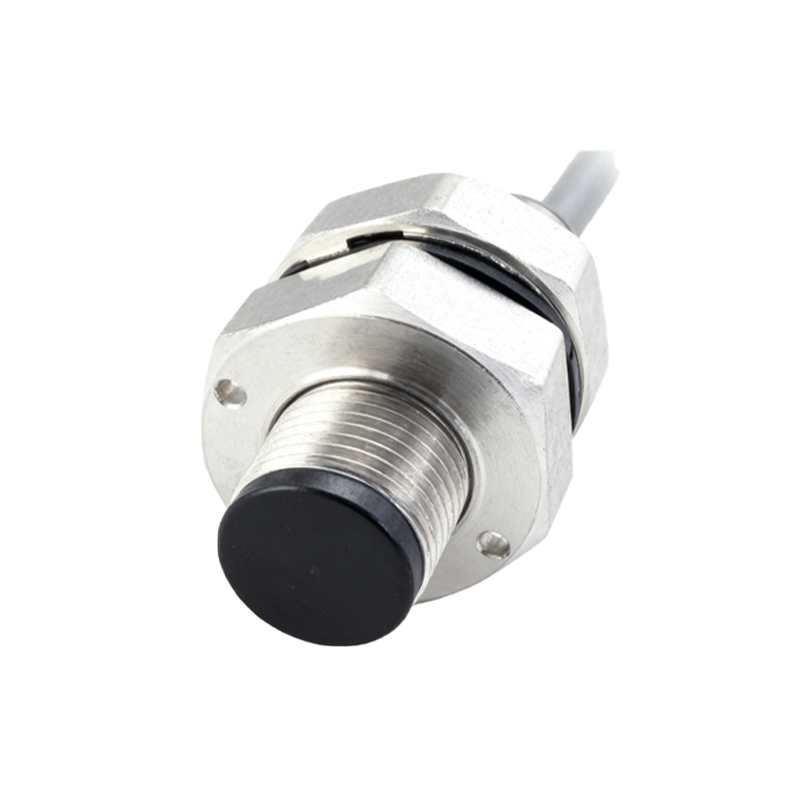
The term "high-tech proximity sensor" encompasses several distinct technologies, each suited for specific materials and environmental conditions. Inductive proximity sensors are the workhorses for metal detection. They generate an oscillating electromagnetic field; when a metallic object enters this field, it induces eddy currents, causing a change in the oscillation amplitude that triggers the sensor's output. Capacitive sensors, on the other hand, can detect both metallic and non-metallic materials (like plastic, wood, or liquids). They measure changes in capacitance between the sensor's face and the target object. For longer ranges and precise positioning, photoelectric sensors use a light emitter (often LED or laser) and a receiver. The detection occurs when the target interrupts (opposed mode) or reflects (diffuse mode) the light beam. Ultrasonic sensors calculate distance by emitting sound waves and measuring the time for the echo to return, excelling in harsh environments where dust or smoke might obscure photoelectric beams.
Key Features and Performance Metrics
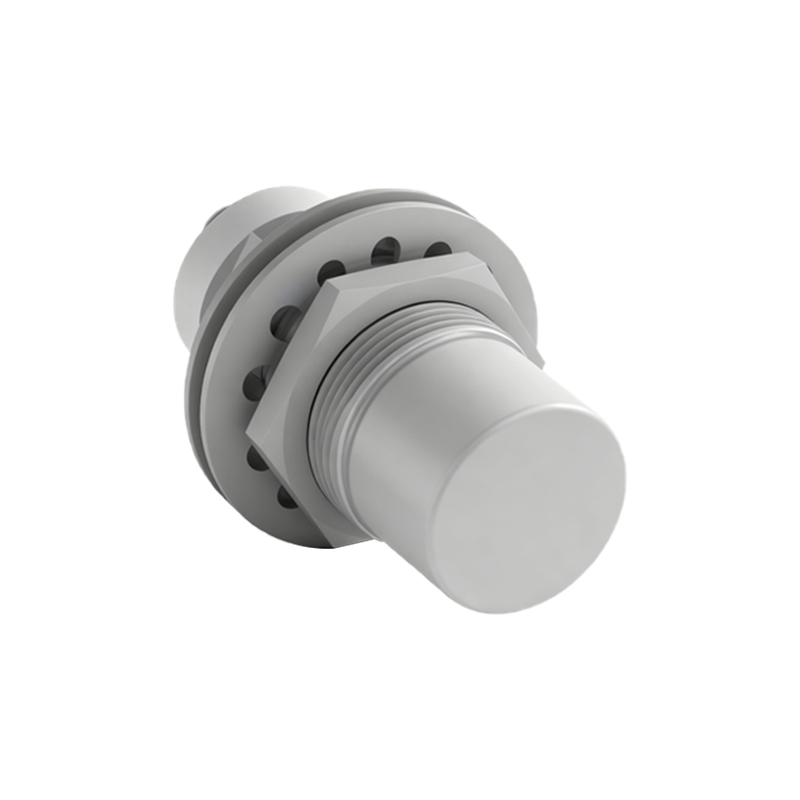
Selecting the right sensor hinges on understanding its performance parameters. Sensing range, the maximum distance at which a standard target can be reliably detected, varies dramatically from a few millimeters in compact inductive sensors to several meters for some ultrasonic models. Repeatability, or the sensor's ability to consistently detect an object at the same point, is crucial for precision applications. Response time, measured in milliseconds or microseconds, determines how fast the sensor can react in high-speed processes. Environmental robustness is another critical feature. Modern high-tech sensors are built with rugged housings (often IP67 or IP69K rated) to withstand washdowns, extreme temperatures, vibration, and electromagnetic interference. Many also incorporate intelligent features like programmable sensing windows, temperature compensation, and IO-Link communication for diagnostics and parameter setting directly from the control system.
Transformative Applications Across Industries
The application landscape for these sensors is vast and transformative. In automotive manufacturing, they count parts on conveyors, verify robot tooling positions, and ensure door panels are correctly aligned before welding. In the packaging industry, they detect labels, monitor fill levels in bottles without contact, and control the cutting of materials. Mobile devices leverage miniature capacitive sensors for touchless screen control and automatic display dimming when held to the ear. In logistics and warehousing, they facilitate automated guided vehicle (AGV) navigation and pallet presence detection. Emerging fields like collaborative robotics (cobots) rely heavily on advanced proximity sensing for safe human-robot interaction, creating flexible and secure work cells.
The Future: Intelligence, Integration, and Miniaturization
The evolution of high-tech proximity sensors is driven by trends toward Industry 4.0 and the Internet of Things (IoT). The next generation is becoming smarter and more connected. Sensors with embedded microprocessors and IO-Link communication can transmit not just a simple on/off signal, but also diagnostic data like operating temperature, signal strength, and remaining lifespan, enabling predictive maintenance. Sensor fusion, combining proximity data with other sensor inputs (like vision or force), is creating more perceptive and adaptive systems. Furthermore, continuous miniaturization allows integration into ever-smaller consumer electronics and medical devices. Research into new materials and principles, such as graphene-based sensors or advanced time-of-flight (ToF) optical methods, promises even greater accuracy, range, and functionality, solidifying their role as the indispensable "invisible eyes" of an increasingly automated world.