Introduction to Non-Magnetic Metal Sensing
In the realm of industrial automation, the reliable detection of objects is paramount. While standard inductive proximity sensors excel at detecting ferrous metals, they often fail or behave inconsistently when confronted with non-ferrous materials like aluminum, copper, or brass. This is where specialized non-magnetic metal proximity sensors come into play. These advanced devices are engineered to overcome the limitations of conventional sensors, providing stable and precise detection of conductive but non-magnetic targets. Their operation hinges on sophisticated principles that differentiate them from their standard counterparts, making them indispensable in modern manufacturing, packaging, and material handling systems where a variety of metals are used.
Core Operating Principle: The Eddy Current Difference
The fundamental technology behind most non-magnetic metal sensors is the eddy current damping principle, a subset of inductive sensing. All inductive sensors generate a high-frequency electromagnetic field from an oscillator coil. When a metal object enters this field, eddy currents are induced on the object's surface. For ferrous (magnetic) metals, two effects occur: the generation of eddy currents and an additional magnetic attraction due to the material's permeability. This dual effect allows standard sensors to detect ferrous metals at greater distances. Non-ferrous metals, however, have negligible magnetic permeability. They are detected solely through the eddy current effect, which is generally weaker for materials like aluminum and significantly weaker for highly conductive materials like copper. Specialized non-magnetic sensors are finely tuned with advanced circuitry and oscillator designs to maximize sensitivity to this eddy current damping effect alone, ensuring reliable switching even for challenging materials.
Key Design Features and Technologies
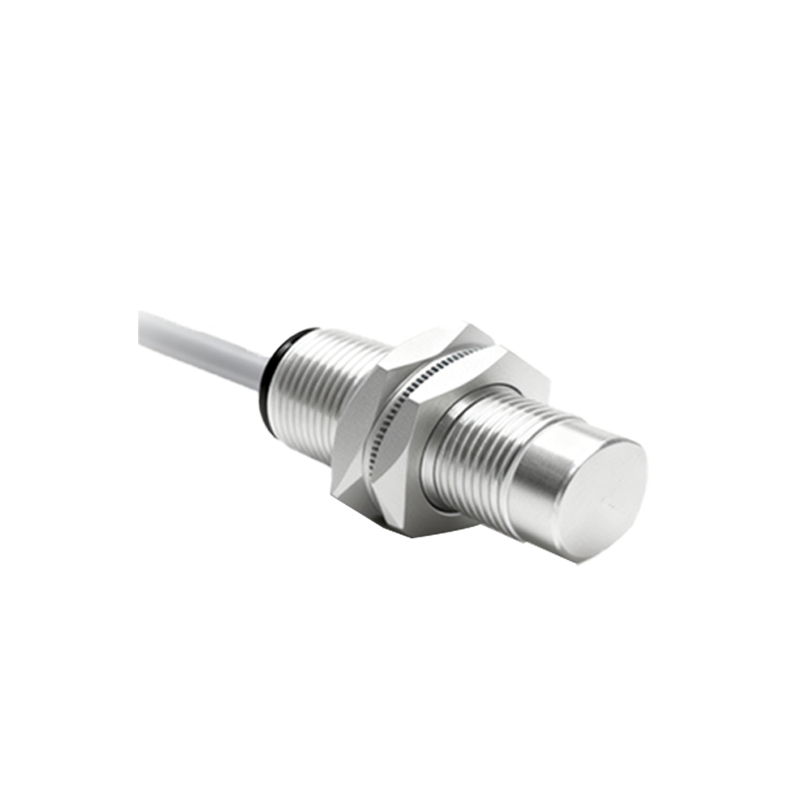
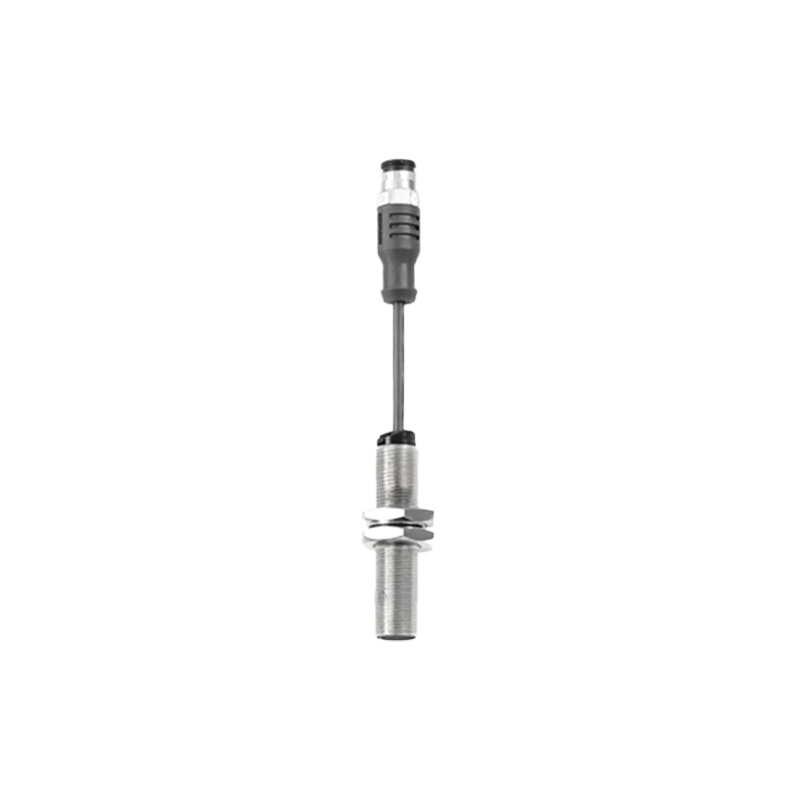
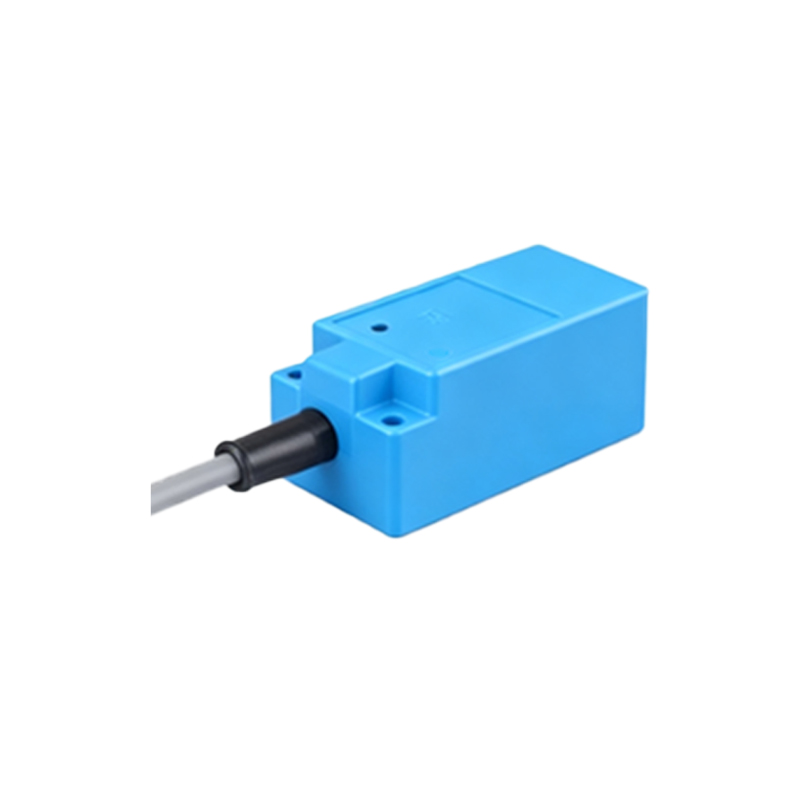
To achieve consistent performance, these sensors incorporate several critical design features. First, they often operate at higher frequencies to enhance sensitivity to the surface eddy currents in non-ferrous metals. Second, they utilize temperature-compensated circuits to maintain a stable sensing point despite environmental fluctuations. A key technology is the incorporation of a background suppression or "teach-in" function. This allows the sensor to be programmed to recognize a specific target material and distance, effectively ignoring the background or other objects, which is crucial in applications with varying target compositions or fixed mounting near metal machine parts. Furthermore, housings are typically made of stainless steel or high-grade plastics like PBT to resist corrosion and electromagnetic interference, ensuring longevity in harsh industrial environments.
Primary Industrial Applications
The applications for non-magnetic metal proximity sensors are vast and critical. In the automotive industry, they are used to detect aluminum engine blocks, pistons, or copper wiring harnesses. In beverage canning lines, they reliably monitor the presence of aluminum cans without being affected by the high-speed production environment. They are essential in CNC machining centers for tool presence detection, where the tools are often made of non-ferrous carbide or titanium. In recycling facilities, these sensors help sort different metal types on conveyor belts. Another growing application is in electric vehicle battery manufacturing, where they detect copper busbars and aluminum cooling plates with high precision, ensuring assembly accuracy and safety.
Critical Selection Criteria and Considerations
Selecting the right sensor requires careful analysis of several parameters. The most crucial is the rated operating distance (Sn). Manufacturers specify reduction factors for different metals. For instance, a sensor with a 10mm range for steel might only have a 4mm range for aluminum and a 2mm range for copper. Always consult the sensor's data sheet for these factors. The target size and shape also matter; smaller targets require a reduced sensing distance. Environmental conditions such as temperature extremes, presence of coolants, or washdown requirements dictate the needed ingress protection (IP) rating, such as IP67 or IP69K. The output type (PNP/NPN, analog, or IO-Link) must be compatible with the control system. Finally, consider the mounting style (flush or non-flush); non-flush mount sensors offer longer ranges but require more clearance from surrounding metal.
Installation and Troubleshooting Best Practices
Proper installation is key to optimal performance. Ensure the sensor is mounted securely to prevent vibration-induced false signals. Maintain the recommended clearance from surrounding metal structures, as specified for non-flush mounting, to prevent mutual interference between multiple sensors. Always power the sensor with a stable, regulated DC supply within its specified voltage range. Common issues include failure to detect or erratic operation. Troubleshooting should start with verifying the power supply and connections. Next, confirm that the target is within the adjusted sensing range for its specific material. Check for accumulation of metallic dust or chips on the sensor face, which can dampen the sensing field. Utilizing an oscilloscope to monitor the sensor's oscillator signal can provide deeper diagnostic insight into