Understanding Proximity Sensor Switches
Proximity sensor switches are non-contact electronic devices designed to detect the presence or absence of an object within a defined sensing range. Unlike mechanical limit switches, they operate without physical contact, making them ideal for harsh, dirty, or high-speed environments. The core principle involves generating an electromagnetic field or a beam of radiation. When a target object enters this field, it causes a change in the sensor's oscillation or signal return, which is then converted into a solid-state switch output. Common types include inductive sensors for detecting metals, capacitive sensors for detecting both metallic and non-metallic materials, and photoelectric sensors using light beams. Their robustness, reliability, and fast response time make them indispensable in modern automation.
Primary Locations in Manufacturing and Assembly Lines

The manufacturing floor is the most prevalent home for proximity sensors. They are strategically placed for precise object detection and positioning. A key application is on conveyor systems, where sensors verify the presence of components, count items, and control sorting gates. In robotic work cells, they provide positional feedback for robotic arms, ensuring accurate pick-and-place operations. Machine tools extensively use them for tool positioning, spindle orientation, and verifying the open/closed status of safety doors or chucks. Assembly stations employ them to confirm that a part is correctly seated before a subsequent operation, such as welding or fastening, preventing costly errors and jams.
Critical Roles in Material Handling and Packaging
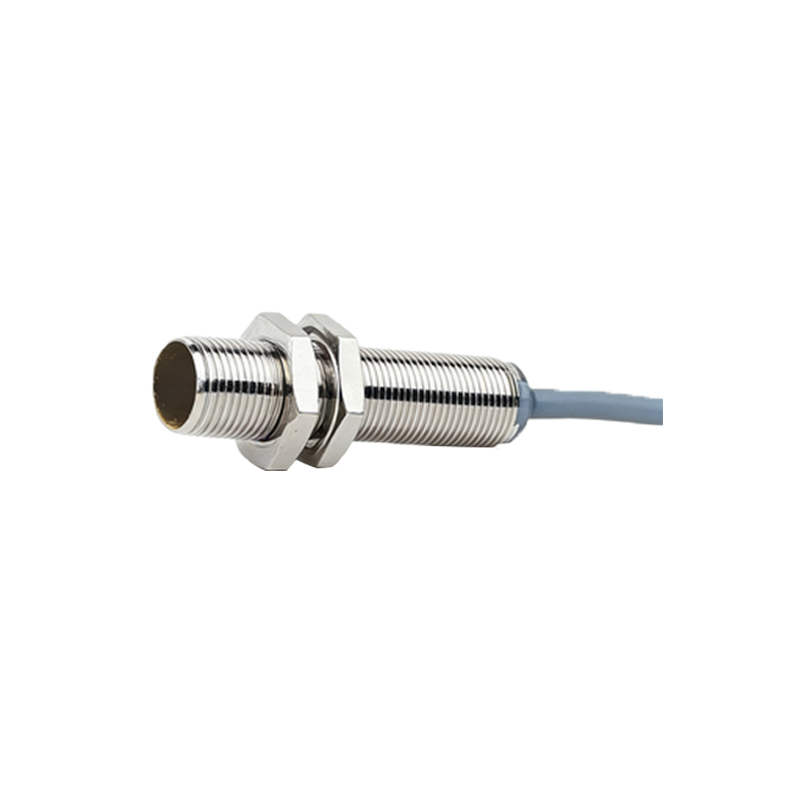
Material handling systems rely heavily on proximity switches for automation and safety. In automated storage and retrieval systems (AS/RS), sensors detect the position of shuttles and cranes, ensuring precise alignment with storage bins. On palletizers and depalletizers, they sense the height of a layer or the presence of a pallet to coordinate the stacking process. Within packaging machinery, capacitive sensors detect low levels of granules or liquids in hoppers, while inductive sensors confirm the presence of metal lids or caps on containers. Photoelectric sensors are ubiquitous for detecting labels, monitoring fill levels in bottles, and ensuring cases are properly sealed before dispatch.
Integration in Automotive Production Processes
The automotive industry is a major consumer of proximity sensor technology, given its high degree of automation. Sensors are located throughout the production line. In body shops, they verify the correct positioning of sheet metal panels before robotic welding. In paint shops, non-contact capacitive sensors are used to detect the presence of vehicle bodies on overhead conveyors without marring the finish. During engine assembly, inductive sensors check for the presence of pistons, valves, and bearings. Final assembly lines use them to confirm the installation of doors, wheels, and other components, often interfacing directly with the manufacturing execution system (MES) for quality tracking.
Applications in Heavy Industry and Metalworking
Harsh environments in metalworking and heavy industry demand the durability of proximity switches. In steel mills and foundries, high-temperature rated inductive sensors monitor the position of slabs, billets, and rollers. They are located near hydraulic cylinders to provide end-of-travel feedback for controlling press brakes, stamping presses, and shears. Machine safeguarding is another critical location; sensors are installed as part of safety interlock systems on guards for presses, robots, and CNC machines, ensuring the machine cannot operate unless the guard is securely closed. This protects both personnel and equipment.
Deployment in Food, Beverage, and Pharmaceutical Sectors
Sanitary and washdown requirements define sensor placement in these regulated industries. Stainless steel, sealed-housing sensors are located on filling lines, capping machines, and labeling stations. Their non-contact nature prevents contamination and is ideal for detecting products through clear glass or plastic packaging. Capacitive sensors monitor powder or liquid levels in mixing vats. On blister packaging machines, sensors verify the presence of pills in each blister pocket before sealing. The reliability of these sensors minimizes downtime and ensures compliance with strict hygiene and safety standards.
Use in Building Automation and Access Control
Beyond the factory, proximity sensors find important locations in building management. Inductive sensors are embedded in doors and elevators to detect their open/closed status. Parking garages use them to sense vehicle presence at entry gates and to monitor available spaces. In access control systems, passive sensors can detect the approach of a person to automatically open doors or trigger lighting, enhancing energy efficiency and convenience. Security systems may employ concealed sensors to detect unauthorized entry into restricted areas, providing a silent alarm trigger.
Considerations for Optimal Sensor Placement
Determining the exact "where" requires careful consideration. The sensor must be mounted within its specified sensing range from the target, accounting for the target material's properties