Introduction to Proximity Sensing in Wearable Technology
The integration of proximity sensors into modern wearable devices, such as the Goggles2, represents a critical leap in human-machine interface (HMI) design. These sensors are fundamental for enabling intuitive, hands-free operation and enhancing power efficiency. Unlike simple touch interfaces, proximity detection allows the device to perceive the presence or absence of a user or object without physical contact. This capability is paramount in applications like virtual and augmented reality (VR/AR) headsets, where user experience and battery life are paramount. The Goggles2 leverages this technology to create a more seamless and responsive interaction model, automatically waking from sleep mode when donned and entering a low-power state when removed. This foundational application underscores the sensor's role as a gatekeeper for device functionality and energy management.
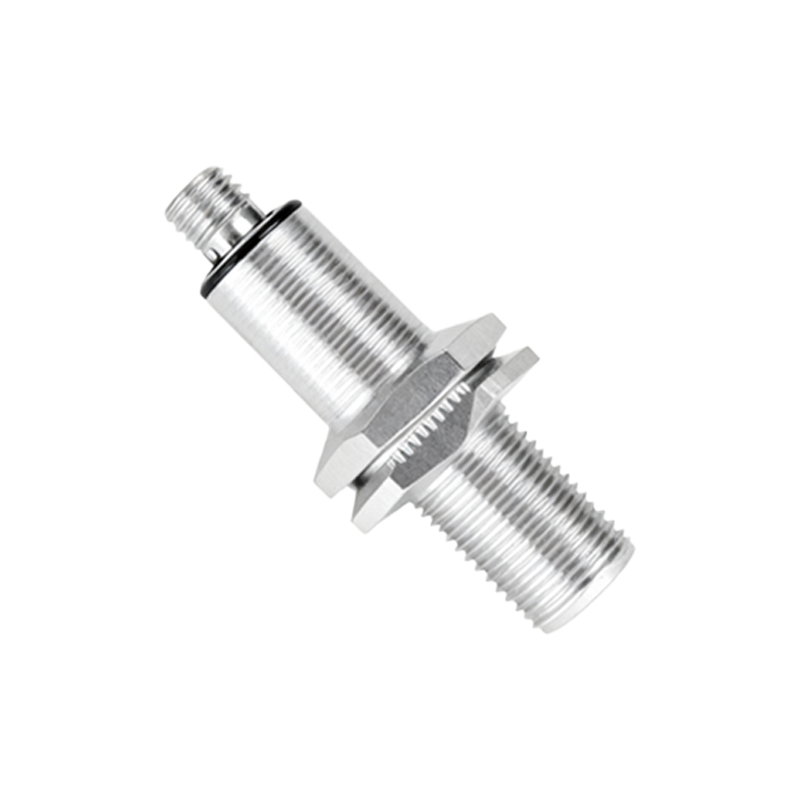
Technical Architecture of the Goggles2 Proximity Sensor
At its core, the Goggles2 proximity sensor is typically based on an infrared (IR) sensing system. This system comprises an IR emitter, usually an LED, and an IR photodetector. The emitter projects a beam of infrared light. When an object, such as the user's face or hand, enters the sensor's field of view, this light is reflected back towards the photodetector. The sensor's integrated circuit (IC) then measures the intensity of the reflected light. By calibrating a threshold value, the system can reliably determine the presence of an object within a specific range, often between 1 to 5 centimeters for this application. Advanced versions may utilize modulated IR signals to filter out ambient light interference, ensuring robust performance in various lighting conditions. The sensor's placement within the Goggles2 housing is meticulously engineered to optimize the detection zone for the intended use case—typically aligned with the bridge area to detect the wearer's forehead.
Key Performance Parameters and Specifications
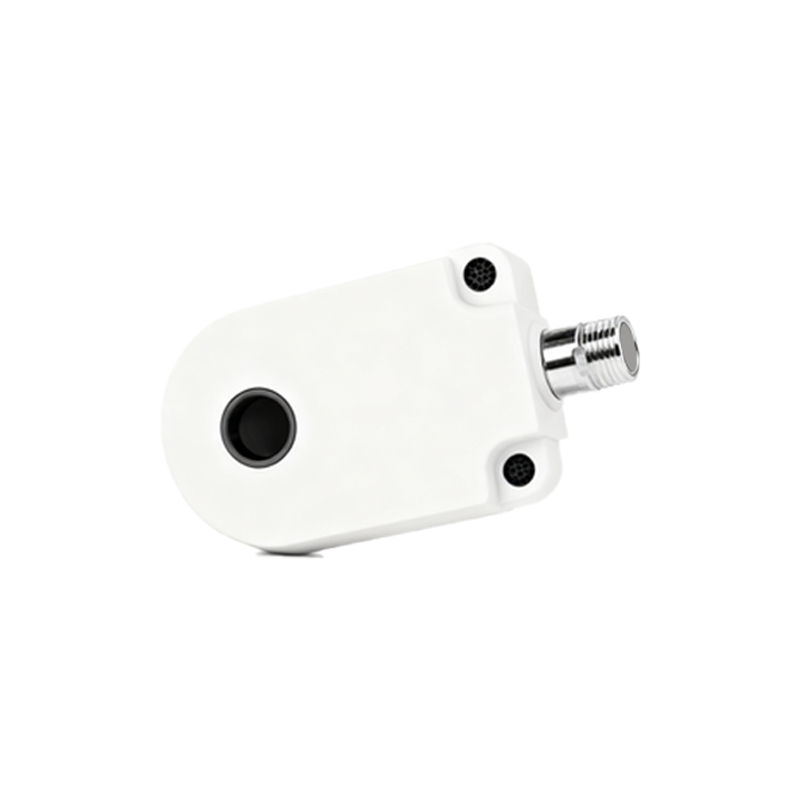
Evaluating the Goggles2 proximity sensor requires a detailed look at its key electrical and operational parameters. The response time is crucial; a fast response ensures instantaneous state transitions, directly impacting user perception of responsiveness. The detection range must be precisely tuned—too short may cause missed detections, while too long may lead to false triggers. Power consumption is another critical specification. Modern sensors, like the one likely employed in Goggles2, operate at very low quiescent currents, often in the microampere range, to minimize impact on overall device battery life. Other vital specs include the operating voltage (commonly 1.8V or 3.3V to align with low-power system-on-chip platforms), the interface protocol (commonly I2C or a simple digital interrupt line), and the sensor's tolerance to external optical noise. These parameters collectively define the sensor's reliability and suitability for continuous wearable use.
Integration Challenges and Signal Conditioning
Integrating a proximity sensor into a compact device like the Goggles2 presents distinct engineering challenges. Optical crosstalk, where emitted IR light directly leaks into the detector without reflection, must be minimized through physical baffles or optical isolation materials within the assembly. The sensor's analog output requires careful signal conditioning. This involves amplification of the weak photodetector current, filtering to remove noise (including 50/60Hz flicker from artificial lighting), and analog-to-digital conversion. The digital data is then processed by firmware algorithms that implement hysteresis to prevent state oscillation when an object is at the threshold boundary. Furthermore, calibration during manufacturing is essential to account for component tolerances and variations in the transmissive properties of any protective cover glass or lens in front of the sensor.
Applications Beyond Basic Presence Detection
While the primary function is user presence detection, the Goggles2 proximity sensor's data can be leveraged for more sophisticated features. By analyzing the reflected signal's characteristics over time, it can potentially distinguish between a quick hand gesture and a sustained presence, enabling simple gesture controls. In a multi-sensor context, data from the proximity sensor can be fused with inputs from accelerometers or gyroscopes to create a more accurate context-aware system. For instance, the device could differentiate between being placed on a table (proximity absent, accelerometer stable) and being carried in a bag (proximity absent, accelerometer in motion), allowing for even more granular power state management. This expands the sensor's role from a simple binary switch to a contextual input device.
Future Trends and Conclusion
The evolution of proximity sensing in devices like the Goggles2 points toward greater integration and intelligence. Future iterations may see the combination of proximity, ambient light, and color temperature sensing into a single multi-function optical sensor IC, saving space and power. Time-of-Flight (ToF) sensors,