Understanding Explosion-Proof Proximity Sensors
Explosion-proof proximity sensors are critical components in hazardous industrial environments where flammable gases, vapors, or combustible dusts are present. Unlike standard sensors, these devices are specifically engineered and certified to prevent ignition. They are housed within robust enclosures designed to contain any potential spark or thermal effect generated internally, ensuring it does not ignite the surrounding explosive atmosphere. This intrinsic safety is paramount in sectors such as oil and gas, chemical processing, mining, and grain handling. The core technology, whether inductive, capacitive, or ultrasonic, functions to detect the presence or absence of an object without physical contact, but is encased in a manner that meets stringent international standards for hazardous area classification.
Key Design and Certification Standards
Manufacturers must adhere to rigorous global certification standards, which dictate the design, testing, and marking of explosion-proof equipment. In North America, the primary standards are set by Underwriters Laboratories (UL) and the Canadian Standards Association (CSA) under the Class/Division system, and increasingly, the IECEx Zone system. The ATEX directive (2014/34/EU) governs the European market, defining equipment groups and categories for different explosive atmospheres. IECEx provides an international framework for certification accepted in many countries. Common protection types include "Flameproof" or "Explosion-proof" enclosures (Ex d), which can withstand an internal explosion, and "Intrinsic Safety" (Ex i), which limits electrical energy to non-incendive levels. Understanding these certifications is crucial for selecting the correct sensor for a specific hazardous zone (Zone 0, 1, 2, or Division 1, 2).
Top Industry Manufacturers and Their Expertise
The market for these specialized sensors is led by several established global manufacturers known for their engineering excellence and comprehensive certification portfolios. Companies like Pepperl+Fuchs, a German pioneer, offer an extensive range of inductive and capacitive proximity sensors with ATEX, IECEx, and UL approvals, renowned for their durability and advanced diagnostic capabilities. Turck, another industry leader, provides highly modular sensor solutions with robust, stainless steel housings suitable for the harshest conditions. Banner Engineering is recognized for its innovative designs and strong focus on both performance and ease of installation. Omron and Siemens also command significant market share, integrating sensor technology with broader industrial automation and safety systems. These manufacturers invest heavily in research to develop sensors with longer sensing ranges, higher switching frequencies, and enhanced connectivity for Industry 4.0 applications, all while maintaining the highest safety integrity levels.
Selection Criteria for Optimal Performance
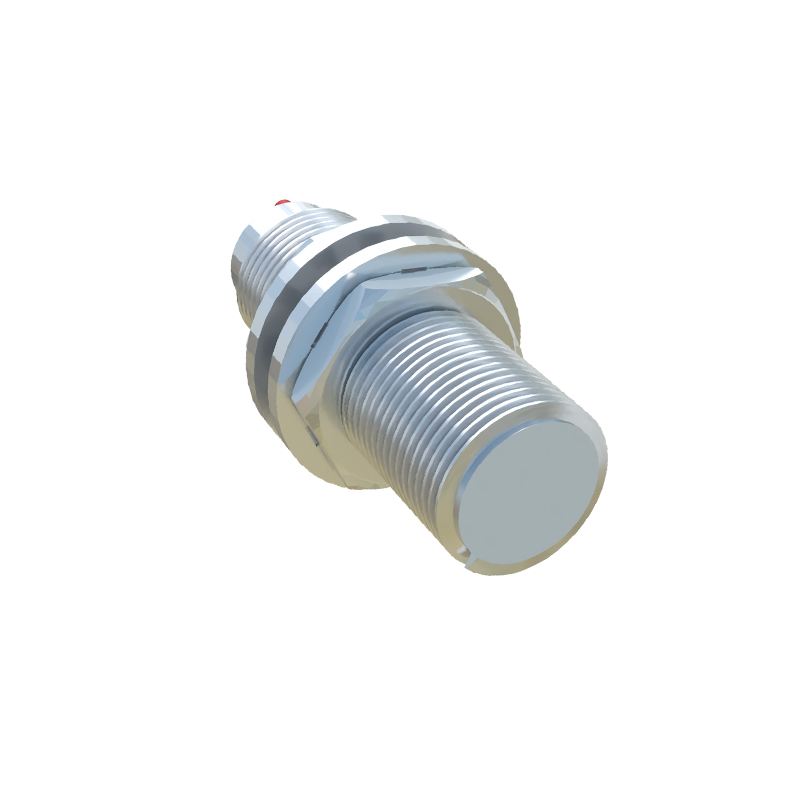
Choosing the right explosion-proof proximity sensor requires a detailed analysis of the application parameters. First and foremost, the hazardous area classification (Zone/Division and gas group) must match the sensor's certification. The sensing technology—inductive for metals, capacitive for non-metals or liquids, and ultrasonic for various materials—must be selected based on the target object. Environmental factors such as temperature extremes, pressure, potential chemical corrosion, and mechanical impact from vibration or washdown processes dictate the required housing material, typically stainless steel or brass with high IP (Ingress Protection) ratings. Electrical characteristics like supply voltage, output type (PNP/NPN, analog, or IO-Link), and connection method (prewired or connector) must integrate seamlessly with the existing control system. Finally, considering form factor, sensing range, and the availability of diagnostic LEDs can significantly impact maintenance and operational efficiency.
Installation, Maintenance, and Future Trends
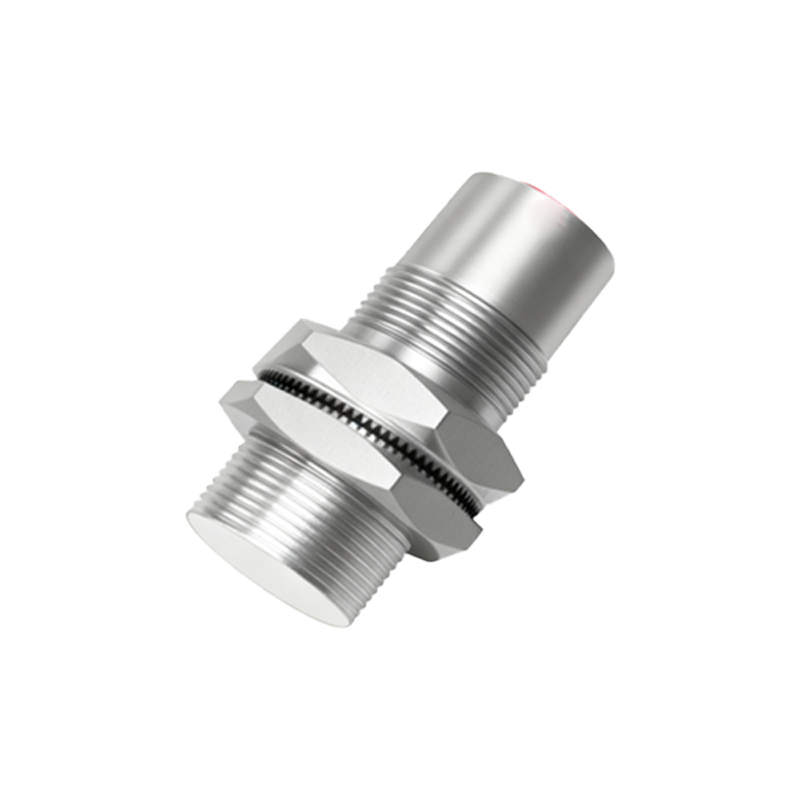
Proper installation is as critical as the sensor itself. This includes correct mounting, secure grounding, and using certified cable glands to maintain the integrity of the explosion-proof enclosure. Regular maintenance involves checking for physical damage, ensuring seals are intact, and verifying operational performance without compromising the safety certification. Looking ahead, the future of explosion-proof proximity sensors is intertwined with digitalization and miniaturization. The integration of smart sensor technology with IO-Link communication allows for detailed condition monitoring, predictive maintenance, and seamless data integration into plant asset management systems. Furthermore, advancements in materials and encapsulation techniques are leading to more compact, lightweight designs without sacrificing safety or sensing performance, enabling their use in increasingly complex and space-constrained hazardous environments.