Introduction to Ultra-Compact Proximity Sensors
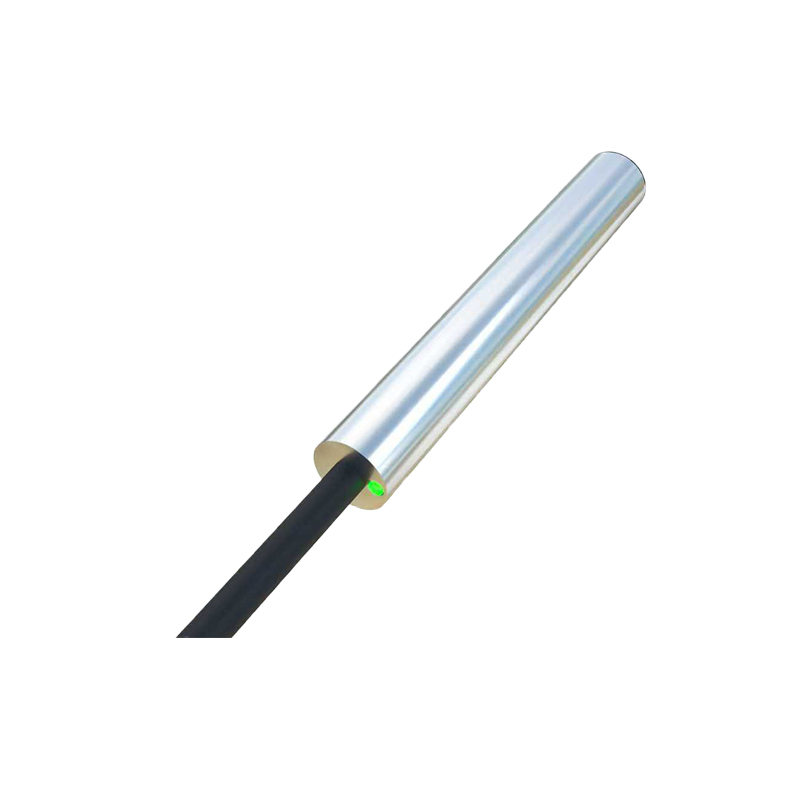
The landscape of industrial automation is continuously evolving, demanding components that are smaller, smarter, and more efficient. Ultra-compact proximity sensors have emerged as a critical solution, enabling precise non-contact detection in space-constrained applications. These sensors, often with housings as small as M5 or M8, are engineered to deliver reliable performance in challenging environments. Their proliferation across sectors like robotics, packaging machinery, semiconductor manufacturing, and automotive assembly underscores their importance. Understanding the pricing structure of these sophisticated devices is essential for engineers, procurement specialists, and system integrators aiming to optimize both performance and project budgets.
Key Factors Influencing Sensor Pricing
The price of an ultra-compact proximity sensor is not a single figure but a spectrum determined by a confluence of technical and commercial factors. Firstly, the sensing technology—inductive, capacitive, or magnetic—plays a fundamental role. Standard inductive sensors for metal detection are generally the most cost-effective. Capacitive sensors, capable of detecting non-metallic materials, often command a higher price due to their more complex circuitry. Secondly, performance specifications such as sensing range, switching frequency, and repeatability directly impact cost. A sensor with a longer range or higher frequency within the same tiny form factor requires advanced engineering. Thirdly, housing material and ingress protection (IP) rating are significant. Stainless steel housings or sensors rated IP67/IP69K for washdown environments are priced higher than standard plastic or IP65-rated units. Finally, output configuration (PNP/NPN, analog, IO-Link) and connection type (pre-wired cable or quick-disconnect) add layers to the final cost.
Price Range Breakdown by Type and Feature
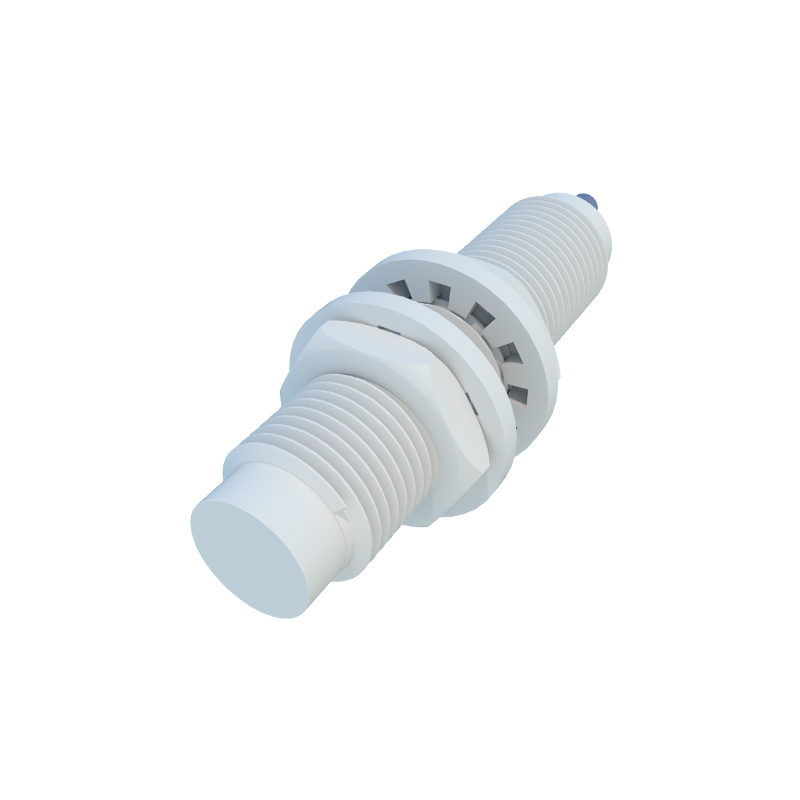
Navigating the market reveals a broad price range. Entry-level, standard inductive ultra-compact sensors (e.g., M8 size) can start from as low as $15 to $30 per unit in single-piece quantities. These typically offer basic functionality with standard sensing distances. Mid-range sensors, priced between $30 and $70, incorporate enhanced features like increased sensing ranges, all-metal housings, higher IP ratings, or specialized form factors (e.g., rectangular or ring-shaped). The premium segment, ranging from $70 to over $150 per sensor, includes devices with advanced diagnostics, IO-Link digital communication for Industry 4.0 integration, extreme temperature tolerance, or specialized materials for corrosive environments. Capacitive variants typically add a 20-40% premium over their inductive counterparts with similar form factors and protection levels.
The Impact of Brand, Volume, and Supply Chain
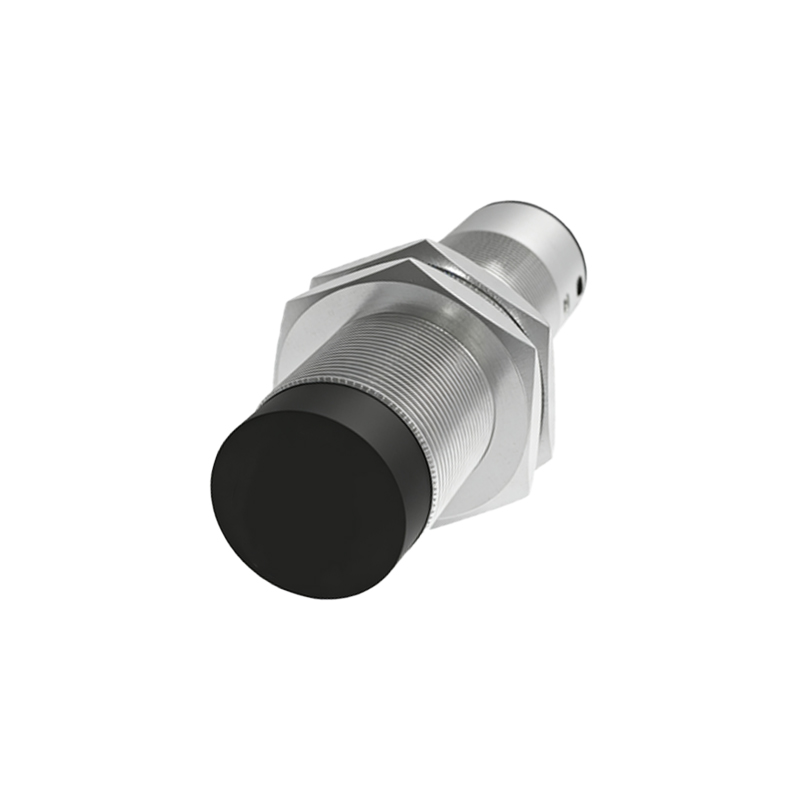
Brand reputation and origin significantly influence pricing. Established global leaders like Sick, Omron, Pepperl+Fuchs, and Balluff often price their ultra-compact sensors at a premium, justified by extensive R&D, rigorous quality control, global warranty, and application support. Conversely, competitive brands or manufacturers from regions with lower production costs may offer similar specifications at a 20-35% lower price point, presenting a value-oriented alternative. Purchase volume remains a primary lever for cost reduction. Unit price can drop by 30-50% or more when moving from single-unit to OEM volume purchases (hundreds or thousands of units). Furthermore, global supply chain dynamics, semiconductor availability, and raw material costs cause price volatility, making long-term contracts and strategic sourcing increasingly important.
Total Cost of Ownership vs. Initial Purchase Price
A prudent evaluation extends beyond the initial purchase price to the Total Cost of Ownership (TCO). A marginally cheaper sensor with a lower Mean Time Between Failures (MTBF) can lead to substantial costs from unplanned downtime, production losses, and replacement labor. High-quality ultra-compact sensors, though initially more expensive, offer greater reliability, longer service life, and better resistance to electrical noise or physical stress, minimizing TCO. Features like IO-Link can further reduce TCO by enabling predictive maintenance, remote parameter setting, and seamless integration into digital networks, preventing costly machine stoppages. Therefore, the investment often justifies itself through enhanced operational efficiency and reduced lifecycle costs.
Market Trends and Future Price Trajectory
Current market trends indicate a dual pressure on pricing. On one hand, technological advancements and economies of scale in manufacturing are gradually reducing the cost of core components, potentially making advanced features more accessible. The rise of smart sensors with embedded intelligence is becoming a standard expectation, even in compact sizes. On the other hand, the demand for miniaturization, higher performance densities, and robust industrial IoT capabilities continues to push R&D costs. The integration of more functions into smaller packages may sustain or even increase prices for cutting-edge models. Overall, the market is expected to see price stabilization for standard