Introduction to 1mm Proximity Switches
Proximity switches with a 1mm sensing distance represent a critical category of non-contact sensors in industrial automation. These devices are engineered to detect the presence or absence of metallic objects at an extremely close range, typically up to 1 millimeter. Unlike standard inductive proximity sensors with larger ranges, 1mm variants are designed for applications demanding high precision and minimal installation space. They operate on the principle of electromagnetic induction, where an oscillator generates a high-frequency field. When a ferrous or non-ferrous metal target enters this narrow field, it causes a change in oscillation amplitude, triggering the sensor's output switch. This precise operation makes them indispensable in tightly controlled manufacturing environments, such as CNC machining, robotic assembly, and precision part positioning, where even a minor detection error can compromise product quality.
Key Technical Specifications and Design
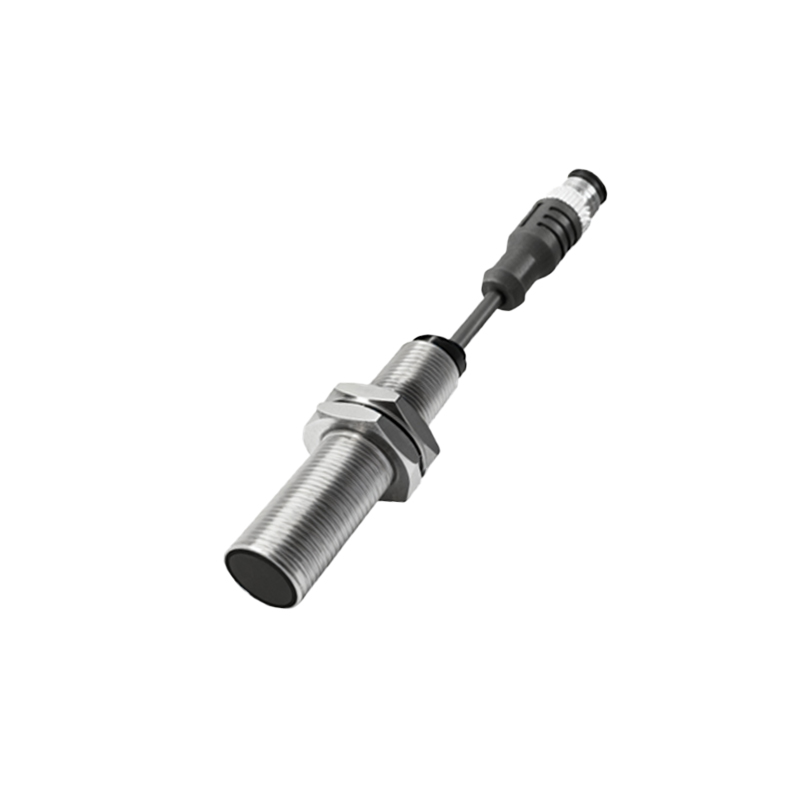
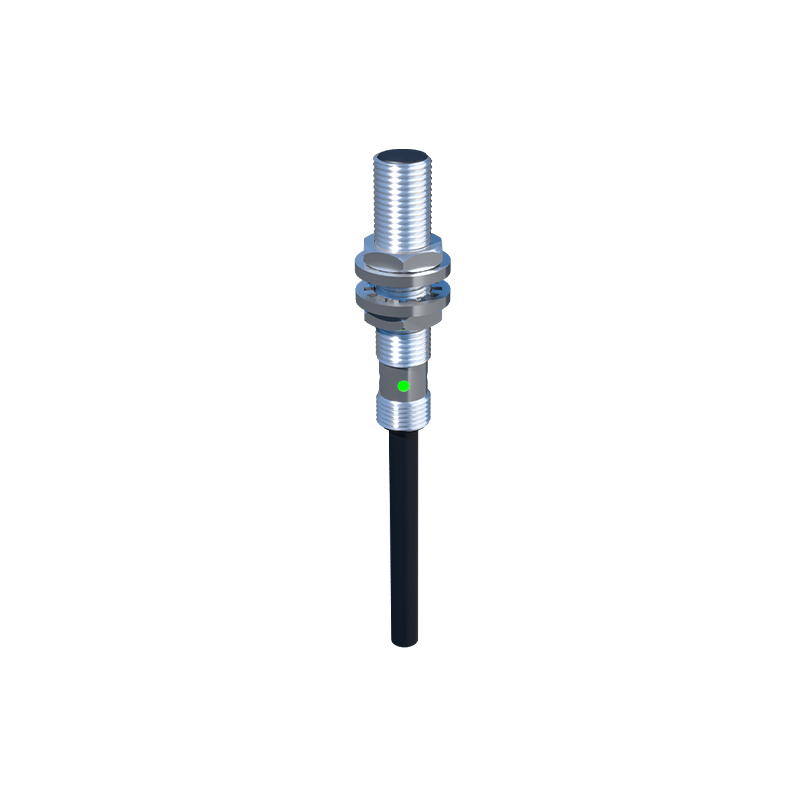
The performance of a 1mm proximity switch hinges on several technical parameters. The nominal sensing distance is standardized at 1mm, but factors like target material, size, and temperature can influence actual performance. Typically, these sensors are calibrated for mild steel, with reduction factors applied for other metals like stainless steel or aluminum. Housing materials often include nickel-plated brass or stainless steel to withstand harsh industrial conditions, including coolants, oils, and metal chips. Electrical characteristics are equally vital; most models operate on DC voltages (10-30V DC) or AC options, with outputs including NPN, PNP, or analog signals. Key design features often incorporate embedded LEDs for status indication and short-circuit protection. Their compact form factor, such as cylindrical M5 or M8 threaded barrels, allows installation in confined spaces where larger sensors cannot fit, enabling precise detection in miniature components or high-density machinery.
Application Scenarios in Modern Industry
In practical settings, 1mm proximity switches serve numerous high-precision roles. A primary application is position verification in automated assembly lines, where they confirm the exact placement of small parts like screws, springs, or electronic chips before subsequent operations. In robotics, they act as end-position sensors for grippers or arms, ensuring movements stop accurately to prevent collisions or over-travel. The packaging industry utilizes them to detect thin metallic foils or labels on high-speed conveyors. Additionally, in metalworking, they monitor tool presence or wear in spindles, triggering alerts if a drill bit or cutter is missing or broken. Their immunity to environmental contaminants like dust or moisture—unlike optical sensors—makes them reliable in dirty or wet areas, such as foundries or washing stations, maintaining consistent operation without frequent maintenance.
Installation and Alignment Best Practices
Correct installation is paramount for reliable performance of 1mm proximity switches. Due to their narrow sensing range, even slight misalignment can cause failure. Engineers must ensure the target approaches the sensor axially for cylindrical models, maintaining parallel alignment to avoid angular deviations. The target material and size should meet specifications; a standard rule is that the target should equal or exceed the sensor's face diameter. Mounting must minimize vibration or movement, using rigid brackets to prevent drift. Environmental considerations include maintaining adequate clearance from surrounding metal objects to avoid false triggering—typically, a non-metallic space of at least three times the sensor diameter is recommended. Regular testing with actual targets during commissioning helps fine-tune positioning, and using adjustable mounting hardware can facilitate precise alignment in dynamic setups.

Advantages Over Other Sensing Technologies
Compared to alternative sensors, 1mm proximity switches offer distinct benefits. Unlike mechanical limit switches, they have no moving parts, resulting in longer lifespan and no contact wear, ideal for high-cycle applications. Versus photoelectric sensors, they are unaffected by ambient light, transparent materials, or color variations, providing stable detection of metals only. Their solid-state design ensures fast response times, often under 0.5 milliseconds, crucial for high-speed production lines. Additionally, they excel in dirty environments where optical lenses might get obscured. While capacitive sensors can detect non-metals, inductive 1mm switches provide superior repeatability and immunity to material composition changes, such as humidity or density. However, their limitation to metallic targets and short range necessitates careful selection, but in metal-centric processes, they deliver unmatched precision and durability.
Maintenance and Troubleshooting Guidelines
To ensure longevity, periodic maintenance of 1mm proximity switches is straightforward but essential. Inspect the sensor face regularly for buildup of debris, metal shavings, or coatings that could attenuate the sensing field; cleaning with a soft cloth is usually sufficient. Verify electrical connections for corrosion or looseness, especially in humid settings. Common issues include failure to detect—often due to