What is an Inductive Proximity Sensor?
An inductive proximity sensor is a non-contact electronic device designed to detect the presence or absence of metallic objects without physical contact. At its core, it operates on the principle of electromagnetic induction. The sensor generates an oscillating electromagnetic field from its active face, which is produced by a coil wound around a ferrite core. When a conductive metal target enters this field, eddy currents are induced on the surface of the target. These eddy currents draw energy from the sensor's oscillator circuit, causing a change in its amplitude. This amplitude change is detected by the sensor's internal circuitry, which then triggers a solid-state output switch, signaling the presence of the object. This fundamental principle makes them exceptionally reliable for detecting ferrous metals like steel and iron, and they are also effective on non-ferrous metals such as aluminum, copper, and brass, albeit with a reduced sensing range.
Key Components and Internal Architecture
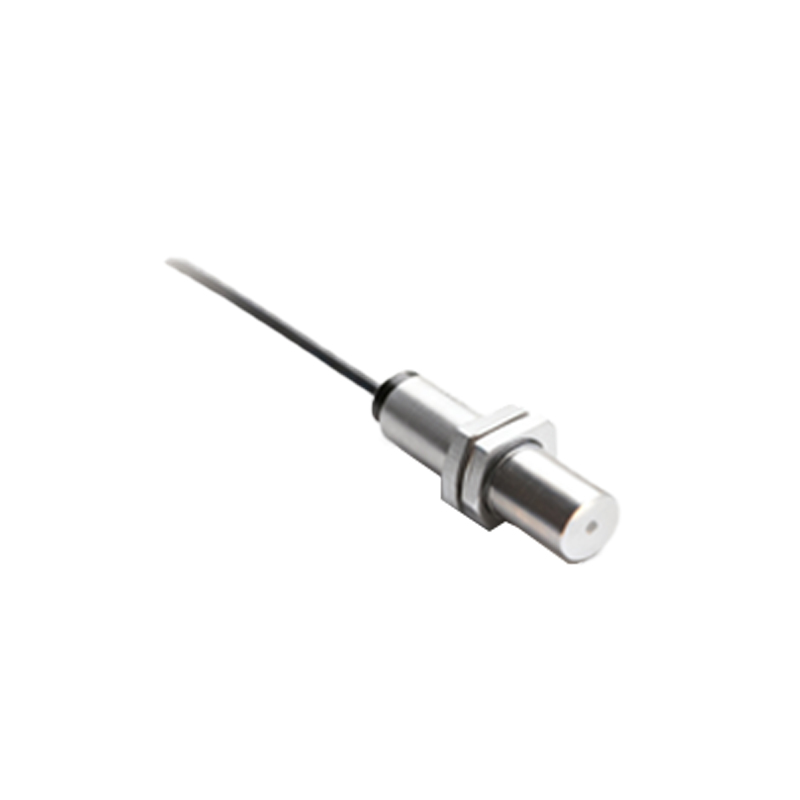
The robustness of an inductive sensor stems from its solid-state construction. Key internal components include the oscillator coil, which generates the high-frequency field; the demodulator, which converts the amplitude change into a DC signal; the trigger circuit, which determines the switching point; and the output amplifier, which drives the load. The entire assembly is typically encapsulated in a housing made of materials like nickel-plated brass, stainless steel, or PBT plastic, offering high resistance to shock, vibration, and harsh industrial environments such as coolants, oils, and metal chips. Unlike mechanical limit switches, they have no moving parts to wear out, leading to an exceptionally long operational life measured in millions of cycles.
Critical Performance Specifications
Understanding sensor specifications is vital for correct selection. The nominal sensing distance (Sn) is a key parameter, defined under standardized conditions with a standard target (usually mild steel). It's crucial to note that the effective sensing distance can vary with target material, size, and shape. For instance, the sensing range for stainless steel is typically 70-90% of Sn, and for aluminum or copper, it can be 30-50% or less. Another critical specification is the hysteresis, a built-in differential between the switch-on and switch-off points, which prevents output chatter when a target is at the exact sensing limit. Repeatability, temperature range, switching frequency, and protection ratings (like IP67 or IP69K for washdown environments) are equally important factors for reliable system integration.
Output Types and Wiring Configurations
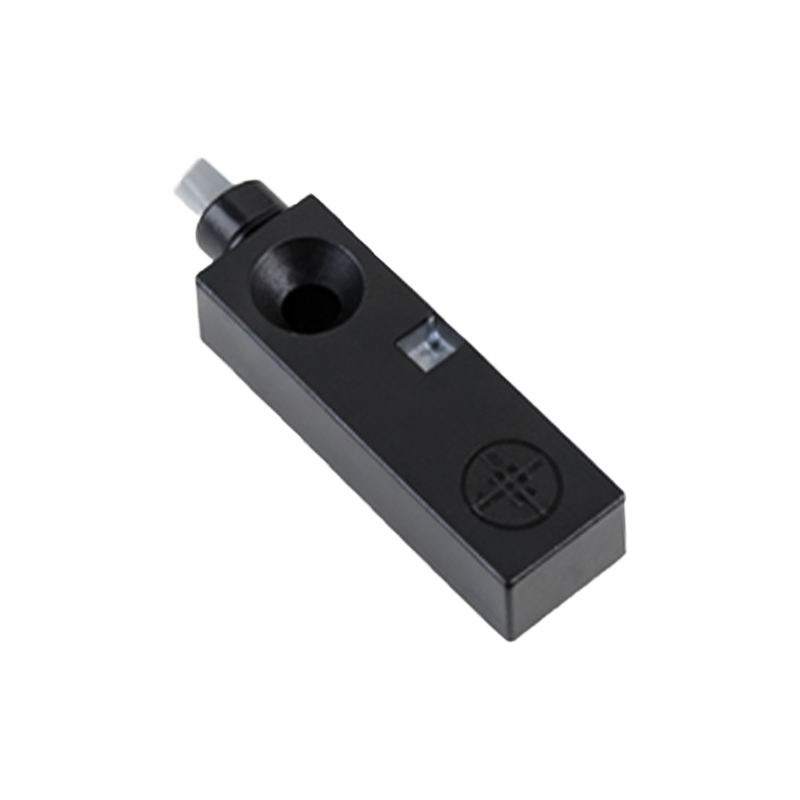
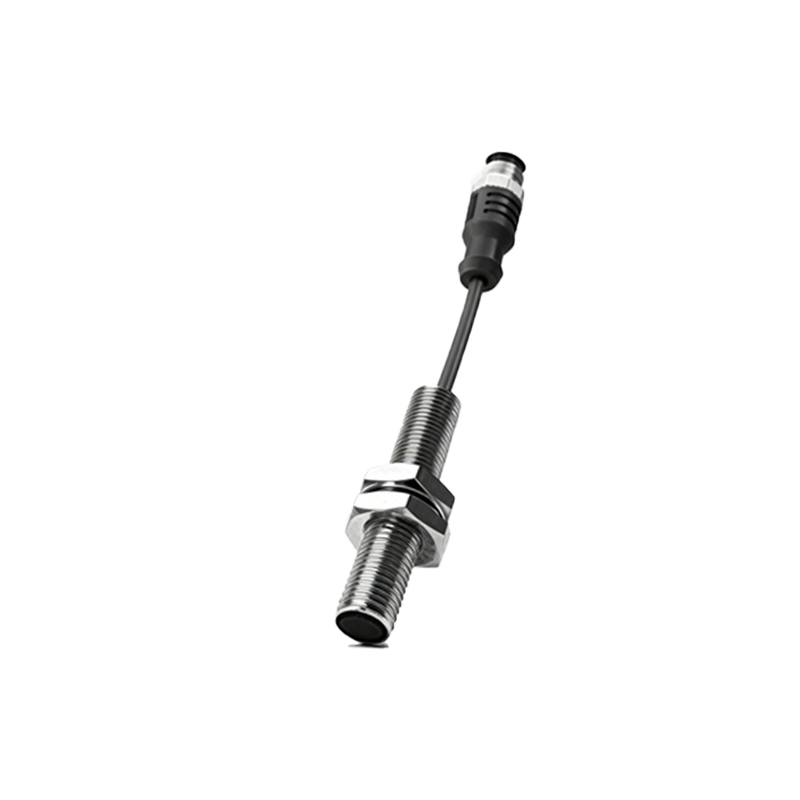
Inductive sensors are available with various output configurations to interface with Programmable Logic Controllers (PLCs) and other control systems. The two primary types are DC (10-30V DC) and AC (20-250V AC) models. DC sensors are more common in modern automation and come in three-wire versions with NPN (sinking) or PNP (sourcing) transistor outputs, as well as two-wire AC/DC versions. NPN outputs switch the negative (0V) line to the load, while PNP outputs switch the positive voltage line. Choosing the correct type is essential for compatibility with the control system's input card. Many modern sensors also feature IO-Link communication, enabling digital parameter setting, advanced diagnostics, and process data exchange, moving beyond simple switching to become smart devices on the Industrial Internet of Things (IIoT) network.
Target Material and Size Considerations
The sensor's performance is directly influenced by the target's properties. For optimal detection, the target should be made of ferrous metal and be at least as large as the sensor's active face. If the target is smaller than the sensor face, the effective sensing distance is reduced. The material's conductivity and permeability affect the strength of the induced eddy currents. A correction factor (provided in datasheets) must be applied when detecting non-standard materials. For example, when detecting thin foil or small fasteners, selecting a sensor with a higher switching frequency and a reduced nominal range is often necessary to ensure consistent and reliable detection.
Mounting and Environmental Factors
Proper installation is paramount. Sensors can be mounted flush (surrounded by metal) or non-flush. Non-flush models offer a longer range but require a metal-free zone around the sensing face to prevent false triggering. Flush-mounted sensors are immune to adjacent metallic structures, making them ideal for tight spaces. Environmental factors like extreme temperatures, strong electromagnetic fields from motors or welders, and the presence of conductive dust (like from machining) can affect performance. Selecting sensors with appropriate housing materials, temperature ratings, and electromagnetic compatibility (EMC) immunity is crucial for trouble-free operation in demanding applications like automotive assembly, metal stamping, and