Introduction to Proximity Sensors and Cylinders
Proximity sensors are non-contact devices that detect the presence or absence of objects within their sensing range, making them ideal for industrial automation. Cylinders, as linear actuators, convert compressed air or hydraulic pressure into mechanical motion. In automated systems, proximity sensors play a critical role in controlling cylinders by providing precise feedback on piston position, enabling accurate sequencing, speed regulation, and safety functions. This article explores the mechanisms, wiring configurations, and practical applications of using proximity sensors to control cylinders, tailored for electrical engineers and automation professionals.
Types of Proximity Sensors for Cylinder Control
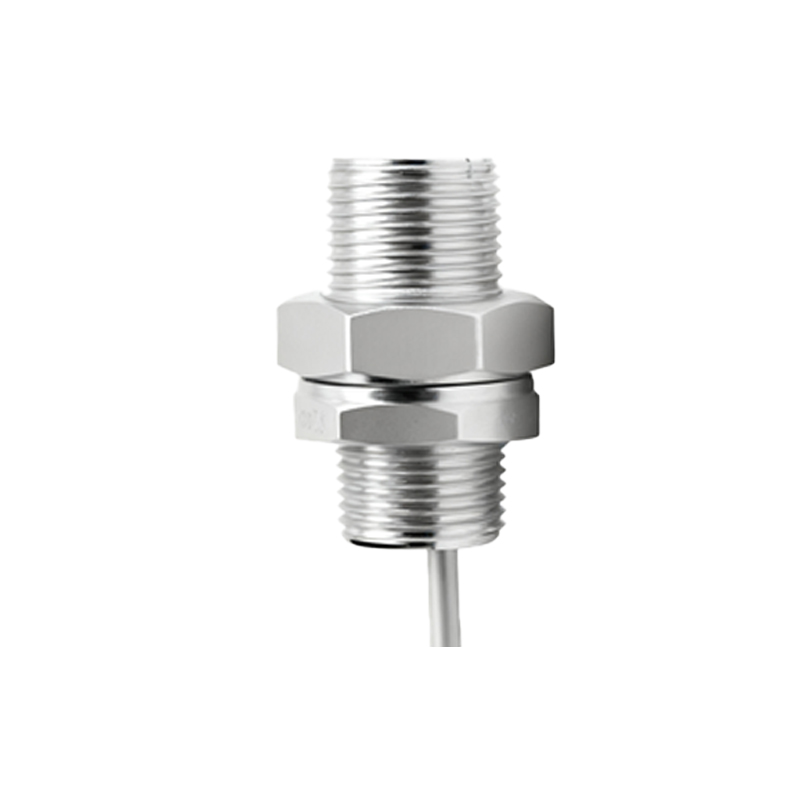
Several proximity sensor types are commonly employed in cylinder control, each with distinct advantages. Inductive sensors detect metallic targets, such as the piston or rod, and are durable in harsh environments. Capacitive sensors can sense non-metallic materials, useful for detecting seals or fluids. Magnetic reed switches or Hall-effect sensors are often integrated into cylinders to sense piston movement via embedded magnets. The choice depends on factors like target material, sensing distance, environmental conditions (e.g., temperature, dust), and required response time, typically ranging from microseconds to milliseconds for high-speed operations.
Wiring and Signal Integration with Control Systems
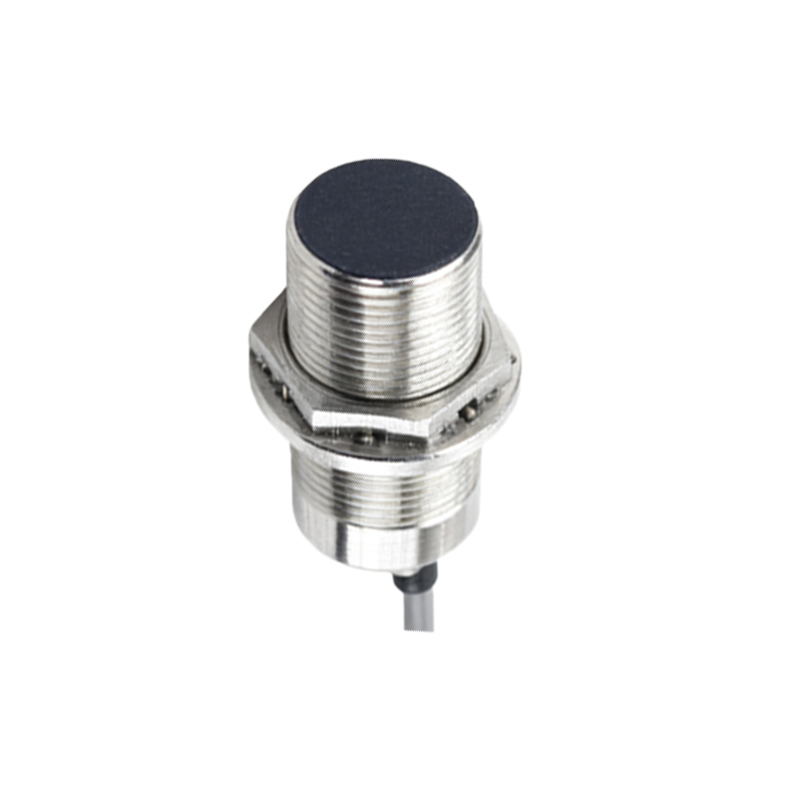
Proximity sensors connect to programmable logic controllers (PLCs) or relay circuits to control cylinder valves. A typical setup involves a 3-wire DC sensor (with positive, negative, and signal wires) or a 2-wire AC/DC version. The sensor output—usually a digital signal (ON/OFF)—triggers solenoid valves that direct air flow into the cylinder, extending or retracting the piston. For example, when a sensor detects the piston at a retracted position, it sends a signal to the PLC, which activates the valve to extend the cylinder. Wiring must adhere to standards like IEC 61131, with proper shielding to prevent electromagnetic interference in industrial settings.
Control Logic and Sequencing Applications
Advanced control logic enhances cylinder operations using proximity sensor feedback. In sequencing, multiple sensors monitor different piston positions to coordinate movements in assembly lines or packaging machines. For instance, a sensor at the mid-stroke point can trigger secondary actions, like tool engagement or part ejection. Speed control is achieved by adjusting valve timing based on sensor inputs, optimizing cycle times. Safety functions include detecting cylinder over-travel or jams, where sensors send alerts to halt systems, preventing damage. PLC programming languages, such as ladder logic or structured text, implement these logics efficiently.
Installation and Calibration Best Practices
Proper installation ensures reliable sensor performance. Sensors should be mounted securely on cylinder bodies or brackets, aligned with targets (e.g., piston magnets) within specified sensing ranges. Gap adjustments prevent false triggers from vibration or misalignment. Calibration involves testing sensor response under operational conditions, verifying signal stability with multimeters or oscilloscopes. Environmental protections, like IP67-rated housings for dust and moisture resistance, are essential in industries like automotive or food processing. Regular maintenance, including cleaning sensing faces and checking connections, minimizes downtime.
Case Study: Automated Material Handling System
In a material handling application, inductive proximity sensors control pneumatic cylinders that lift and transfer boxes on a conveyor. Two sensors are installed: one detects the cylinder’s retracted position, signaling readiness for the next box, while another confirms full extension before release. The PLC uses these inputs to synchronize cylinder movements with conveyor speed, reducing cycle time by 20%. This setup demonstrates how sensor feedback enables precise, repeatable motions, improving throughput and reducing manual intervention.
Future Trends and Innovations
Emerging technologies are enhancing proximity sensor-cylinder integration. IO-Link communication allows sensors to transmit diagnostic data, such as wear levels or temperature, enabling predictive maintenance. Smart sensors with embedded processors adapt to changing conditions autonomously. Additionally, miniaturized sensors enable compact cylinder designs for robotics and medical devices. As Industry 4.0 advances, wireless sensor networks may further simplify wiring, offering flexibility in complex automation layouts. Engineers should stay updated on these trends to design more efficient and resilient systems.
Conclusion and Key Takeaways
Proximity sensors provide a robust solution for controlling cylinders in automation, offering accuracy, reliability, and safety. Key considerations include selecting the right sensor type, integrating wiring with control systems, and implementing logic for sequencing. By following best practices in installation and leveraging innovations like smart sensors, engineers can optimize performance in diverse applications, from manufacturing to logistics. Mastery of these principles ensures efficient automation designs that meet modern industrial demands.