Introduction to Non-Magnetic Long-Range Proximity Sensing
In the realm of industrial automation and control, the ability to detect objects without physical contact is paramount. Among the diverse family of proximity sensors, non-magnetic long-range variants stand out for their unique capabilities. These sensors are engineered to detect the presence or absence of a target object at distances significantly greater than standard inductive or capacitive sensors, all while being impervious to magnetic fields. This makes them indispensable in environments where ferrous metals are not the primary target, or where strong magnetic interference from motors, solenoids, or other equipment would render conventional sensors unreliable. The core principle often involves high-frequency oscillation, ultrasonic time-of-flight, or photoelectric sensing, adapted for extended range and robust performance against environmental noise.
Core Operating Principles and Technologies
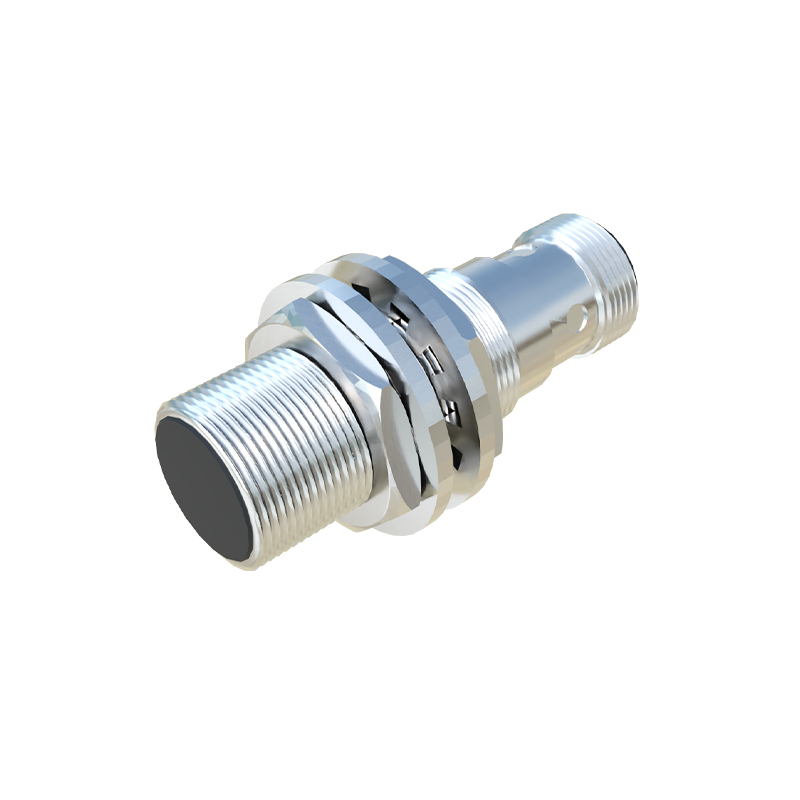
Several key technologies enable long-range detection without relying on magnetic properties. Inductive sensors with specialized coil designs and advanced electronics can achieve extended ranges for detecting all metals, albeit with reduced sensitivity for non-ferrous targets. More commonly, ultrasonic sensors are a premier choice for true long-range, non-magnetic sensing. They operate by emitting high-frequency sound pulses and measuring the time taken for the echo to return from a target. This technology is material-agnostic, detecting solids, liquids, and powders from distances of several centimeters up to many meters. Photoelectric sensors, particularly through-beam and retro-reflective types, offer very long ranges using modulated light beams (laser or LED) to detect the interruption of light by an object. Their performance is dependent on the object's opacity and color, not its magnetic properties.
Key Advantages Over Magnetic and Standard Proximity Sensors
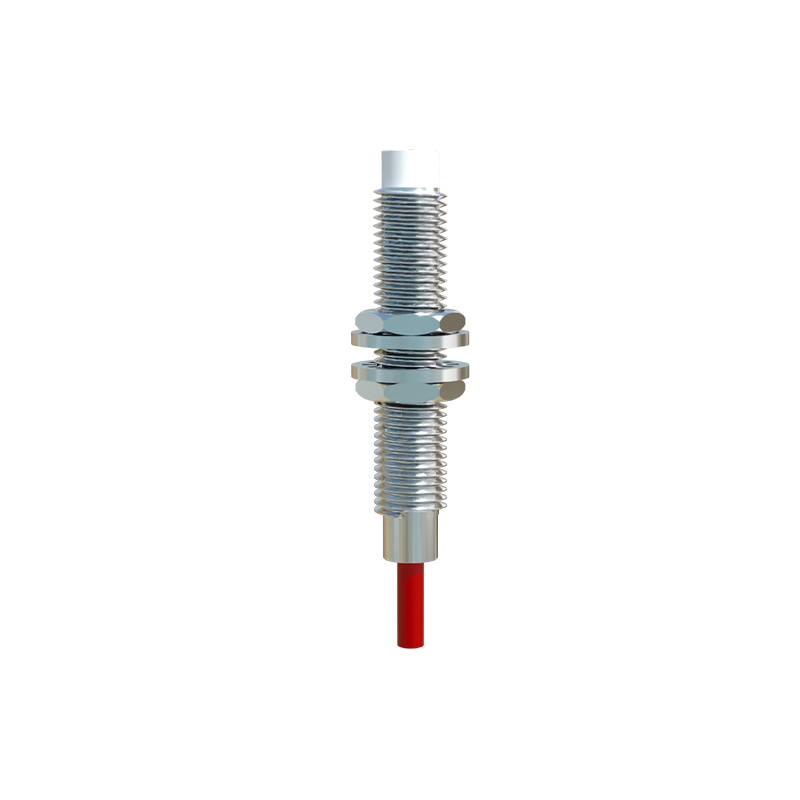
The primary advantage of non-magnetic long-range sensors is their operational immunity to magnetic fields. In steel mills, welding facilities, or near large generators, magnetic interference can cause false triggering or failure in standard sensors. These specialized sensors remain stable. Their extended sensing range allows for greater flexibility in machine design, enabling earlier detection for process sequencing, large object monitoring, or safety guarding. They can detect a vast array of materials—plastic, wood, glass, liquid levels, and all metal types—with consistent reliability. This versatility reduces inventory needs, as a single sensor type can often be applied to multiple, diverse applications within a plant.
Typical Industrial Applications and Use Cases
These sensors find critical roles across numerous industries. In packaging and material handling, they are used for large carton presence detection on conveyors, palletizing station control, and monitoring roll diameters on unwinders. In the automotive sector, they assist in robot guidance for handling non-metallic components like dashboards or bumpers. Liquid level control in large tanks, whether containing water, chemicals, or food products, is a common application for ultrasonic sensors. In forestry and lumber, they monitor log positioning. Furthermore, they serve as effective safety devices for perimeter guarding on automated guided vehicles (AGVs) or at the borders of robotic work cells, where long-range detection of personnel or obstacles is crucial for preventing collisions.
Critical Factors for Sensor Selection and Installation
Selecting the right sensor requires careful analysis of the application parameters. First, define the required sensing distance and the size, material, and surface properties of the target. For a small, dark object, a focused laser photoelectric sensor may be necessary, whereas for a large liquid surface, an ultrasonic sensor is ideal. The environmental conditions are equally vital: consider temperature extremes, humidity, dust, fog, or airborne particulates that could affect ultrasonic or optical performance. The electrical output required (PNP/NPN, analog, IO-Link) must match the control system. During installation, ensure a stable mounting, minimize vibration, and account for the sensor's dead zone (especially for ultrasonic types). Proper alignment for photoelectric sensors and a clear, unobstructed sound path for ultrasonic sensors are mandatory for reliable operation.
Installation Best Practices and Troubleshooting Tips
Successful implementation hinges on proper installation. Always follow the manufacturer's guidelines for mounting distance, orientation, and environmental ratings. For ultrasonic sensors, avoid mounting on vibrating surfaces and ensure the target is within the specified beam angle. Keep the sensing face clean from dust, oil, or condensation. For photoelectric types, prevent optical interference from ambient light by using sensors with modulated light and, if needed, physical shrouds. Common issues include erratic signals due to acoustic noise affecting ultrasonic sensors (use models with varying frequency options) or detection failures from highly reflective or absorbent surfaces (adjust sensitivity or sensor type). Regularly verify sensing distance and output stability during routine maintenance checks.
Future Trends and Technological Advancements
The future of non-m