What Are Proximity Sensors?
Proximity sensors are a fundamental component in modern industrial automation and electronic systems. These non-contact devices detect the presence or absence of an object within a specified sensing range without any physical contact. They operate by emitting an electromagnetic field or a beam of electromagnetic radiation, such as infrared light, and then monitoring for changes in the field or return signal. The primary advantage of this technology is its ability to detect objects reliably in harsh environments where dirt, oil, or other contaminants would render mechanical switches ineffective. The absence of moving parts translates to virtually unlimited operational life, high reliability, and minimal maintenance requirements. From simple presence detection to complex positioning tasks, proximity sensors form the backbone of countless automated processes.
Core Operating Principles and Types
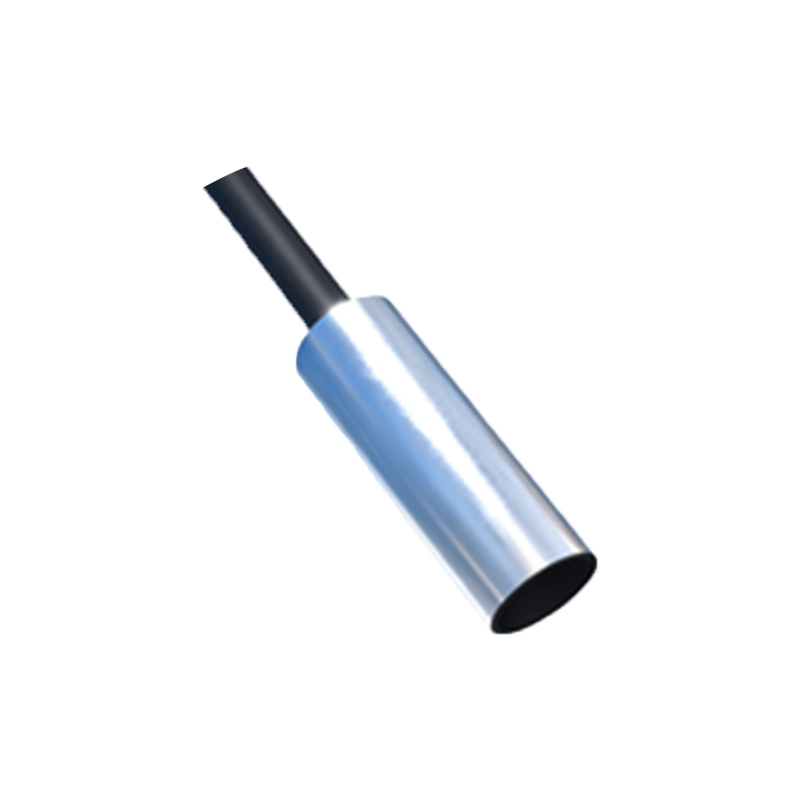
The functionality of proximity sensors is defined by their underlying technology. The most common types include inductive, capacitive, ultrasonic, and photoelectric sensors. Inductive proximity sensors are the workhorses of metal detection. They generate an oscillating electromagnetic field. When a metallic object enters this field, it induces eddy currents within the object, which dampens the oscillator's amplitude. This change is detected by the sensor's circuitry, triggering an output signal. They are ideal for detecting ferrous and non-ferrous metals in manufacturing. Capacitive sensors, on the other hand, can detect both metallic and non-metallic materials like liquids, plastics, or wood. They function by measuring changes in capacitance between the sensor and the target object. Ultrasonic sensors use sound waves beyond human hearing to measure distance or detect objects, excelling in applications requiring precise distance measurement. Photoelectric sensors utilize a light transmitter and receiver to detect objects that interrupt or reflect a light beam.
Key Performance Characteristics
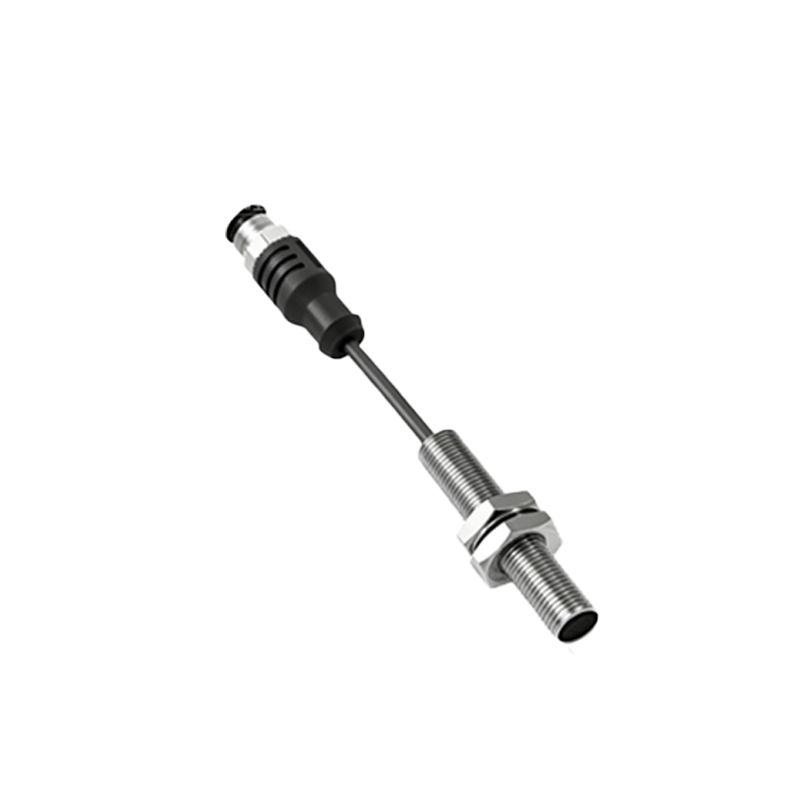
Evaluating a proximity sensor involves several critical parameters. Sensing range, typically specified in millimeters, defines the maximum distance at which the sensor can reliably detect a standard target. Repeatability indicates the sensor's consistency in detecting an object at the same point. Response time is the delay between the target entering the sensing zone and the output signal switching; high-speed applications demand very fast response times. Environmental factors like temperature rating, ingress protection (IP rating) against dust and water, and resistance to chemicals or welding spatter are paramount for industrial durability. The output type, such as NPN (sinking), PNP (sourcing), or analog (4-20 mA, 0-10V), must be compatible with the connected controller, typically a PLC (Programmable Logic Controller).
Industrial and Commercial Applications
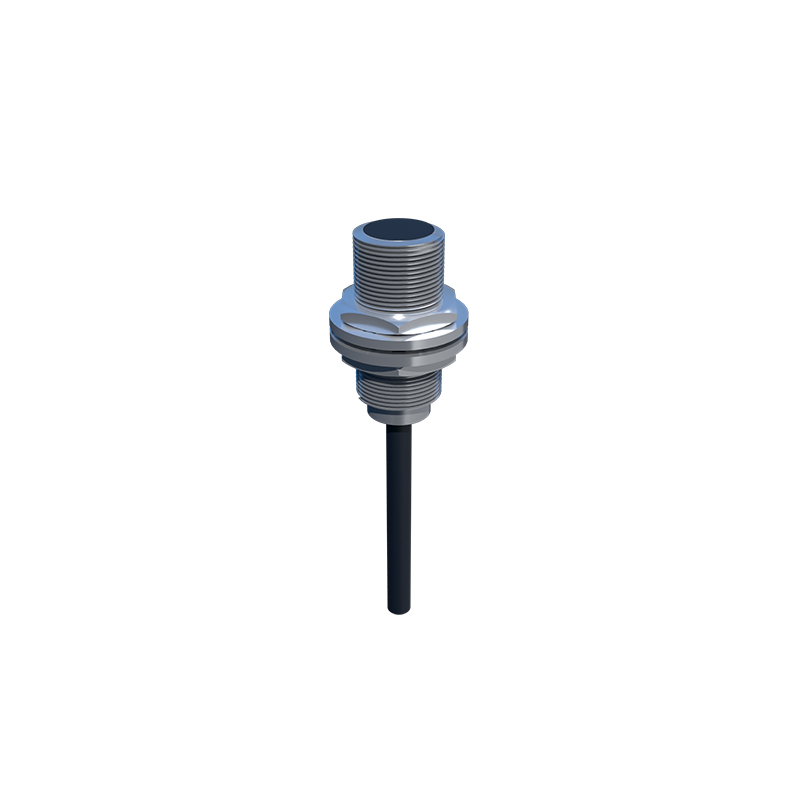
The applications for proximity sensors are vast and diverse. In automotive assembly lines, inductive sensors count gears, detect piston position, and verify part presence. Capacitive sensors monitor fluid levels in tanks or detect filled packages on conveyor belts. In the packaging industry, photoelectric sensors ensure correct label placement and count products. Machine tools rely on them for tool wear detection, part positioning, and end-of-travel limits. Beyond heavy industry, they are found in consumer electronics—activating smartphone screens when held to the ear, or in touchless faucets and soap dispensers for improved hygiene. Their role in safety systems, such as detecting if a protective guard is in place, is also critical.
Selection Criteria and Installation Best Practices
Selecting the right sensor requires a careful analysis of the application. First, identify the target material (metal, plastic, liquid) to choose between inductive, capacitive, or photoelectric types. Consider the required sensing distance and any environmental challenges like high temperatures, washdown conditions, or strong electromagnetic interference. The sensor's housing material (e.g., nickel-plated brass, stainless steel, PBT plastic) must withstand the operational environment. During installation, ensure proper alignment and maintain the specified sensing distance, accounting for factors like target size and approach direction. It is crucial to provide a stable power supply and shield cables in electrically noisy environments to prevent false triggering. Regular testing and maintenance, though minimal, help ensure long-term system integrity.
The Future of Proximity Sensing Technology
Proximity sensor technology continues to evolve, driven by the demands of Industry 4.0 and the Internet of Things (IIoT). Modern sensors are becoming smarter, incorporating IO-Link communication that allows for parameter setting, remote monitoring, and diagnostic data exchange directly with the control system. Miniaturization is a persistent trend, enabling sensors to fit into increasingly compact machinery. Furthermore, advancements in materials and circuitry are extending sensing ranges and improving immunity to environmental interference. The integration of sensing, measurement, and communication into a single, robust device is paving the way for more predictive maintenance strategies and greater overall equipment effectiveness (OEE) in automated plants.