Electrical Overload and Voltage Spikes
One of the most frequent culprits behind a damaged proximity sensor is electrical overload. This occurs when the sensor is subjected to a voltage or current that exceeds its specified operational ratings. Common scenarios include incorrect power supply connections, such as applying a 24V DC supply to a sensor rated for 12V DC. Voltage spikes or transients on the supply line, often caused by the switching of large inductive loads like motors or solenoids in the same circuit, can also inflict instantaneous damage. These spikes can break down internal semiconductor components, such as the oscillator or output switching transistor, leading to complete failure. Even brief surges from events like lightning strikes on nearby power lines can travel through the system and destroy sensitive electronics. Implementing proper surge protection devices and ensuring the power source is stable and within the sensor's specifications are critical preventive measures.
Physical Damage and Mechanical Stress
Despite their often rugged housings, proximity sensors are not immune to physical harm. Direct impact from tools, falling objects, or collisions with machinery can crack the sensor housing, damage the sensing face, or misalign internal components. Continuous vibration in harsh industrial environments can loosen internal connections, fatigue solder joints, or cause components to shift, eventually resulting in intermittent operation or failure. Another form of mechanical stress is excessive tightening during installation, which can distort the housing and affect the sensing characteristics. For cylindrical sensors, overtightening the mounting nut can crush the body, damaging the internal coil assembly. Always follow the manufacturer's specified mounting procedures and torque values, and consider using vibration-dampening mounts in high-shock applications.
Environmental Contaminants and Corrosion
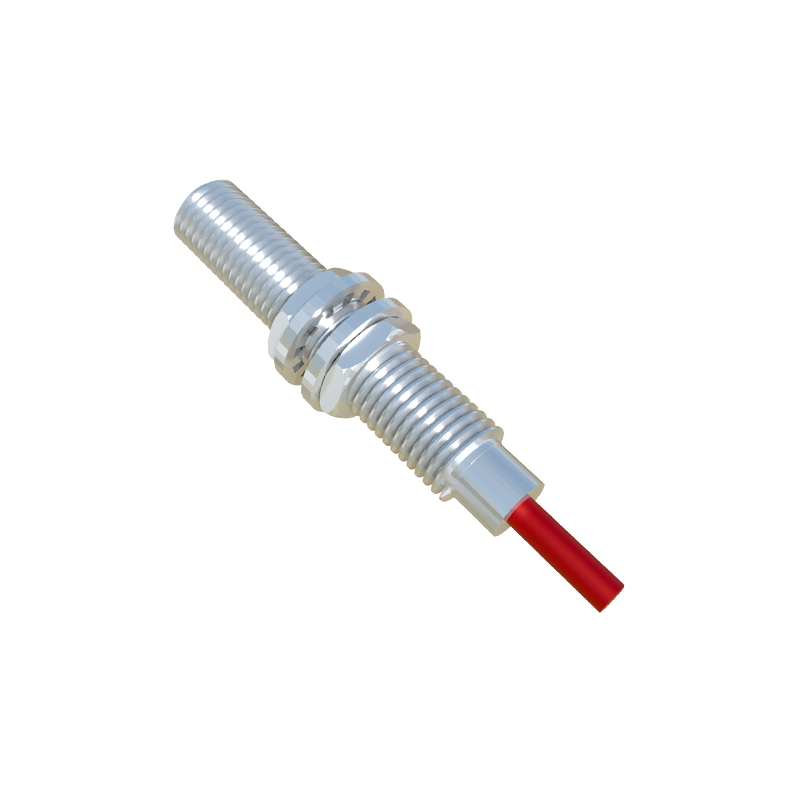
The operating environment plays a significant role in sensor longevity. Proximity sensors can be damaged by the ingress of contaminants like metal chips, dust, coolant, oil, and other fluids. These substances can coat the active sensing face, attenuating the electromagnetic field and reducing the effective sensing range. More severely, conductive metal swarf can bridge electrical connections, causing short circuits. Corrosion is another major enemy, particularly for sensors with metal housings or exposed threads. Exposure to moisture, salty air, or corrosive chemicals can degrade housing integrity and corrode electrical contacts, leading to signal loss or leakage currents. Selecting a sensor with an appropriate Ingress Protection (IP) rating for the environment—such as IP67 for temporary immersion or IP69K for high-pressure washdowns—is essential for reliable operation.
Excessive Temperature and Thermal Cycling
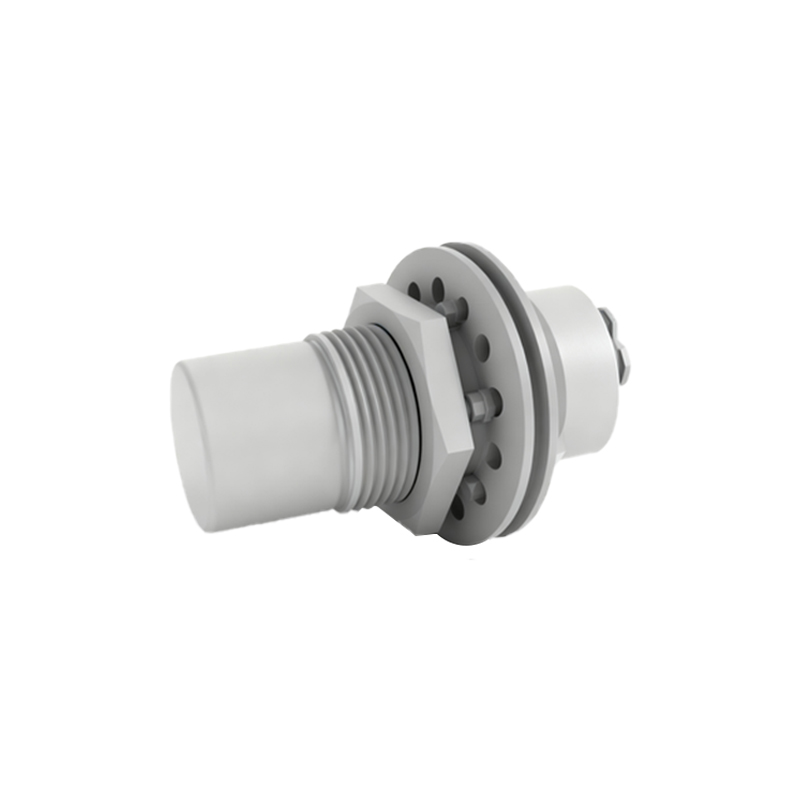
Every proximity sensor has defined operating and storage temperature ranges. Exceeding these limits is a sure path to failure. High ambient temperatures, often found near ovens, furnaces, or engines, can cause internal components to overheat. This thermal stress can degrade insulation materials, alter the magnetic properties of the core, and accelerate the aging of electronic components, leading to drift in sensing characteristics or sudden breakdown. Conversely, extremely low temperatures can make plastics brittle and affect the performance of internal oscillators. Repeated thermal cycling—frequent heating and cooling—can be particularly damaging, as it causes expansion and contraction of materials, leading to cracked solder joints, broken wires, and eventual failure of electrical connections. Ensuring adequate ventilation and selecting sensors rated for the specific temperature extremes of the application are crucial.
Electrical Noise and Interference
Industrial environments are electrically noisy, filled with electromagnetic interference (EMI) from variable frequency drives (VFDs), welding equipment, radio transmitters, and other sensors. Proximity sensors, especially inductive and capacitive types, can be susceptible to this noise. High-frequency interference can be coupled into the sensor's signal lines or power supply, causing erratic switching, false triggering, or even latching of the output in an incorrect state. Over time, sustained electrical noise can stress output circuits. Using shielded cables, grounding the shield properly at the controller end, keeping sensor cables away from power lines, and employing sensors with robust noise immunity ratings can mitigate these issues. In severe cases, installing ferrite cores on the cables may be necessary.
Internal Component Wear and Aging
Like all electronic devices, proximity sensors have a finite lifespan determined by the wear and aging of their internal components. The output switching element, whether a transistor or relay, has a limited number of switching cycles. Exceeding the specified switching frequency or load current can cause premature wear. Electrolytic capacitors within the sensor's power supply circuitry can dry out over time, especially in high-temperature environments, losing their capacitance and causing power regulation issues. The oscillator circuit, core to an inductive sensor's function, can also drift in frequency with age. While these failures are often gradual, they are inevitable. Adhering to the sensor's electrical specifications and planning for preventive