Introduction to Proximity Sensor Converters in New Energy Systems
Proximity sensor converters play a pivotal role in modern new energy systems, including solar, wind, and electric vehicle infrastructures. These devices transform raw signals from proximity sensors—which detect the presence or absence of objects without physical contact—into standardized outputs like voltage or digital data. In renewable energy applications, they ensure precise monitoring and control of moving components, such as turbine blades or battery assembly lines, enhancing efficiency and safety. As the global shift toward sustainable energy accelerates, the demand for reliable, high-performance converters has surged, driving innovations in design and functionality.
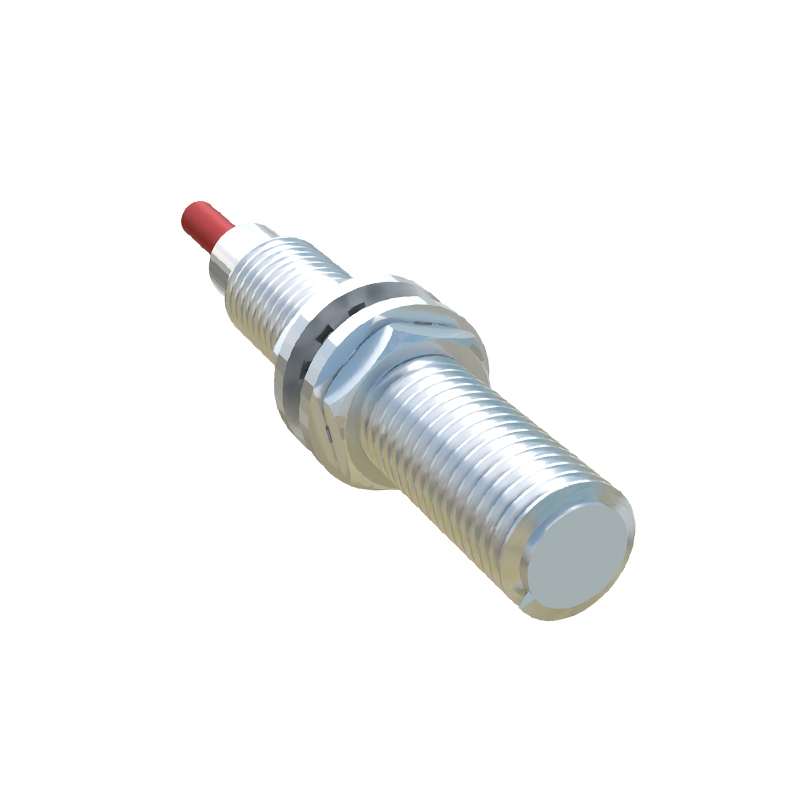
Key Technological Advancements in Converter Design
Recent advancements in proximity sensor converters focus on improving accuracy, durability, and integration capabilities. Modern converters now incorporate microprocessors and advanced algorithms to filter noise and compensate for environmental factors like temperature fluctuations or electromagnetic interference. For instance, in wind farms, converters with enhanced signal processing can detect minute vibrations in turbine gears, preventing costly failures. Additionally, the adoption of wide-bandgap semiconductors, such as silicon carbide (SiC) and gallium nitride (GaN), has enabled converters to operate at higher frequencies and temperatures, reducing energy losses and extending lifespan in harsh conditions.

Applications in Solar and Wind Energy Infrastructure
In solar energy systems, proximity sensor converters are integral to tracking mechanisms that orient photovoltaic panels toward the sun. They convert sensor data on panel position into control signals, optimizing energy capture throughout the day. Similarly, in wind turbines, converters monitor blade pitch and rotor speed, ensuring optimal performance under varying wind conditions. By providing real-time feedback, these converters help prevent mechanical stress and improve overall system reliability. Their role in predictive maintenance—alerting operators to potential issues before breakdowns occur—further reduces downtime and operational costs in large-scale renewable installations.
Enhancing Electric Vehicle (EV) Manufacturing and Operation
The electric vehicle industry relies heavily on proximity sensor converters for both manufacturing and vehicle operation. In production lines, converters facilitate precise assembly of battery packs and motors by detecting component alignment and gaps. Within EVs, they contribute to safety features like automatic braking and parking assistance, converting sensor inputs into actionable commands for control units. As EVs evolve toward autonomous driving, the need for low-latency, high-accuracy converters has grown, spurring developments in miniaturized designs with faster response times and robust communication protocols like CAN bus or Ethernet.
Challenges and Future Trends in Converter Development
Despite progress, challenges remain in developing proximity sensor converters for new energy applications. Issues such as electromagnetic compatibility (EMC) in high-power environments and the need for cost-effective solutions for mass adoption are ongoing concerns. Future trends point toward greater integration of Internet of Things (IoT) connectivity, allowing converters to transmit data to cloud platforms for analytics and remote management. Additionally, the rise of artificial intelligence (AI) may enable self-calibrating converters that adapt to changing conditions autonomously. As renewable energy systems become more complex, converters will likely evolve into multifunctional nodes within smart grids, supporting sustainability goals worldwide.