Understanding Capacitive Proximity Sensor Technology
Capacitive proximity sensors operate by generating an electrostatic field. When a target object enters this field, it causes a detectable change in the sensor's capacitance, triggering an output signal. Unlike inductive sensors, capacitive variants can detect a wide range of materials, including liquids, powders, plastics, and wood. This versatility stems from their ability to sense any material that affects the dielectric constant of the sensing field. Key internal components include an oscillator, Schmitt trigger, and output switching circuit. The sensing face is formed by two concentric metal electrodes, functioning as an open capacitor. The operational principle is non-contact, ensuring long life and minimal maintenance, making them ideal for harsh industrial environments where physical contact is undesirable or impossible.
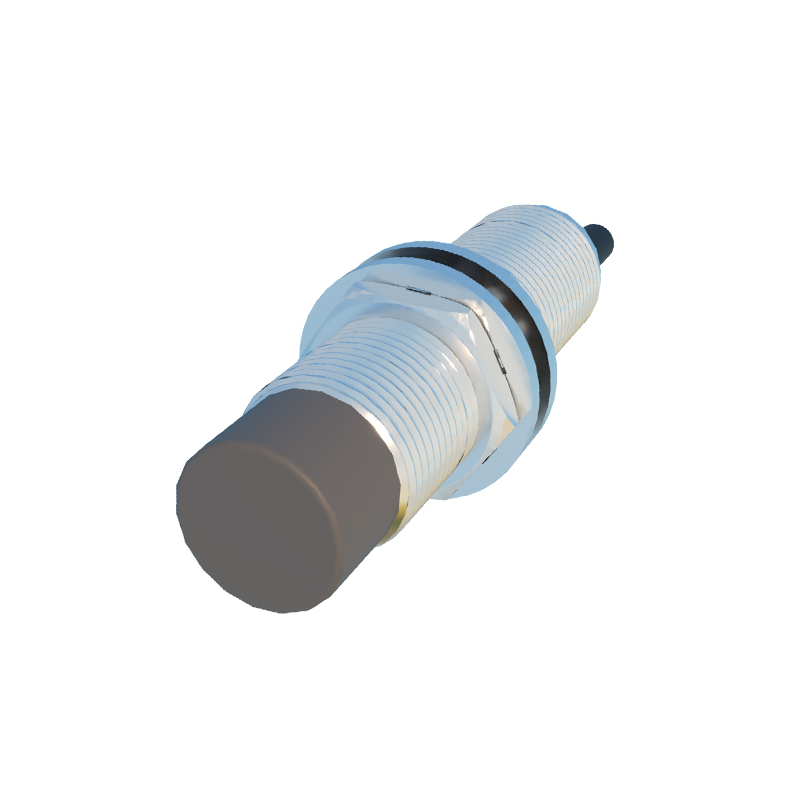
Primary Factors Influencing Sensor Price
The cost of a capacitive proximity sensor is not a single figure but a spectrum determined by several technical and commercial factors. Sensing range is a primary driver; standard models with ranges up to 25mm are most economical, while specialized versions offering ranges of 40mm or more command a premium. Housing material also significantly impacts price. Economical PVC or PBT housings are common, but sensors with stainless steel or nickel-plated brass housings for corrosive or food-grade applications are more expensive. Output configuration is another critical factor. Basic two-wire DC models are lower in cost, whereas three-wire DC (NPN/PNP) or analog output (4-20mA, 0-10V) sensors, which offer more control integration flexibility, are priced higher. Additional features like short-circuit protection, reverse polarity protection, and enhanced ingress protection ratings (e.g., IP67, IP69K) add to the manufacturing cost and final price.
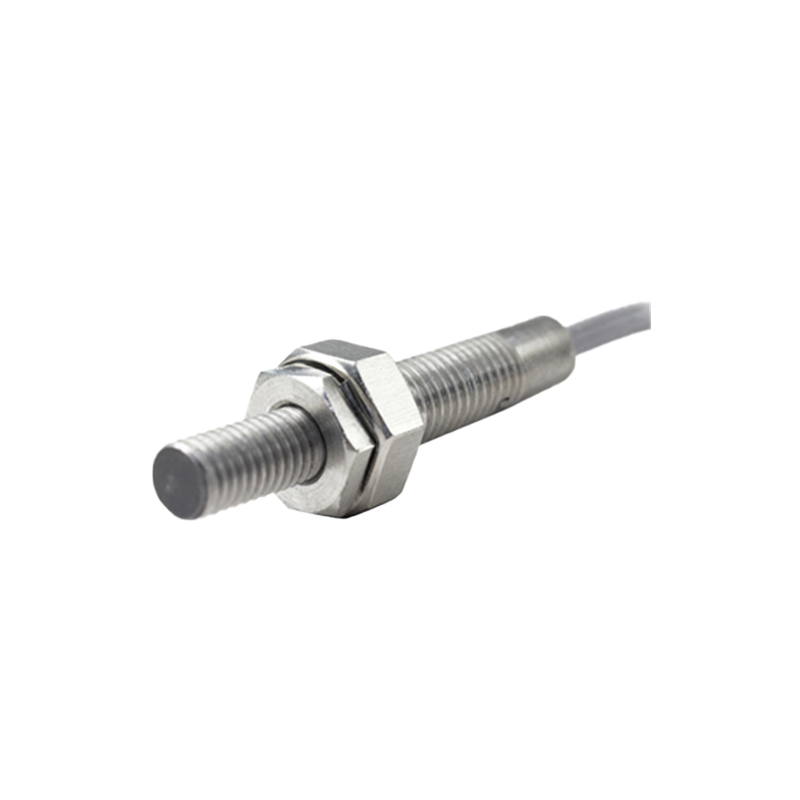
Market Price Range Analysis
In the current industrial marketplace, capacitive proximity sensor pricing is highly segmented. Entry-level, standard-duty sensors from volume manufacturers typically range from $20 to $60 USD. These units often feature standard sensing ranges (5-15mm), PVC housings, and basic two-wire or three-wire DC switching outputs. Mid-range sensors, priced between $60 and $150, offer enhanced performance. This bracket includes models with extended sensing ranges, higher switching frequencies, robust metal housings, and advanced diagnostics like LED status indicators. The premium segment, from $150 to over $400, encompasses highly specialized sensors. Examples include devices with extremely long ranges (e.g., 60mm), FDA-compliant materials for sanitary applications, high-temperature variants rated for >100°C, and units with sophisticated analog or IO-Link digital communication for Industry 4.0 integration. Bulk purchasing through distributors or OEM channels can typically secure discounts of 10-25% off list prices.
Cost vs. Performance: Making the Right Selection
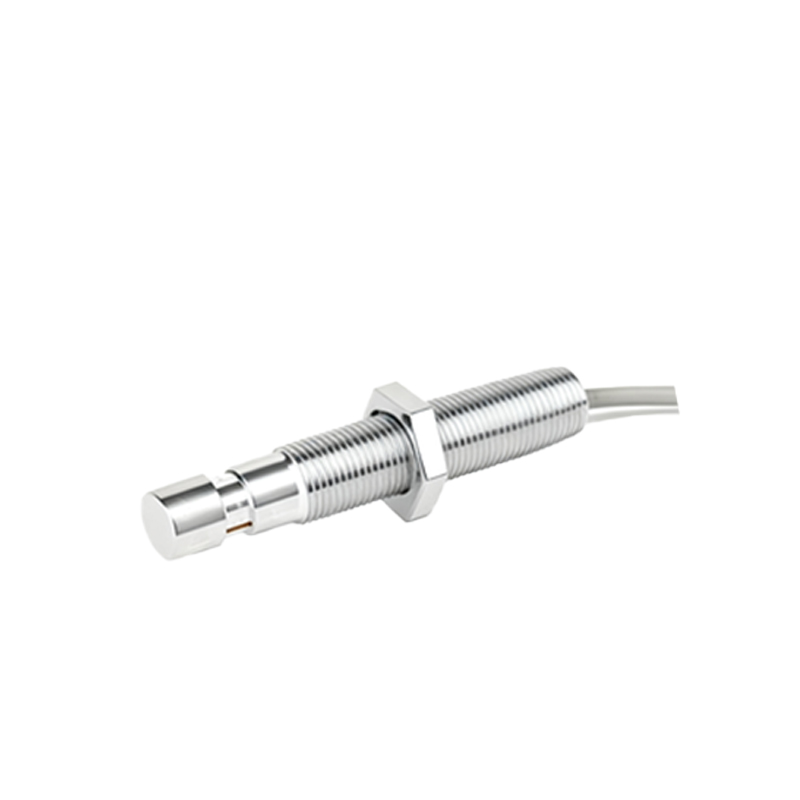
Selecting a sensor based solely on the lowest upfront cost can lead to higher total cost of ownership due to premature failure or inadequate performance. A rigorous cost-benefit analysis is essential. For a simple non-metallic object detection task in a benign environment, a standard $30 sensor is perfectly adequate and represents the best value. However, in a bottling plant requiring liquid level detection of corrosive chemicals, a $200 sensor with a PTFE-faced, all-stainless-steel body and high IP rating is a necessary investment. Its higher initial price is justified by preventing costly downtime, product contamination, and frequent replacements. Engineers must evaluate the application's demands for sensing range, material compatibility, environmental resilience (temperature, washdowns), required response time, and output signal type. Investing in a slightly more capable sensor than the bare minimum often pays dividends in long-term reliability and system stability.
Procurement Strategies and Supplier Considerations
Developing an effective procurement strategy is key to managing costs without compromising quality. Establishing relationships with authorized distributors for major brands like Pepperl+Fuchs, Sick, Balluff, or Omron often provides access to technical support, reliable supply chains, and volume pricing. For less critical applications, considering reputable second-tier or specialized manufacturers can yield significant savings. It is crucial to request detailed datasheets and, if possible, evaluation samples to test performance in the actual application before committing to a large order. When comparing quotes, ensure they include all necessary accessories, such as mounting brackets, connector cables, or pre-wired connectors, as these can add 15-30% to the total project cost. Finally, consider the supplier's lead times and warranty terms; a slightly higher price from a supplier with local stock and a 3-year warranty may offer better value than a cheaper alternative with long lead times and minimal support.
SEO